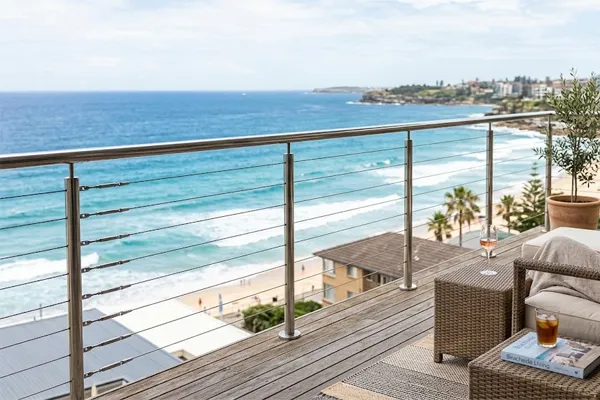
Kabelska ograda može godinama izgledati uredno, ali loš materijal, slaba instalacija, slana voda i zanemareno održavanje mogu skratiti njen vijek trajanja. Mogu se pojaviti rđa, opuštanje kabela, labavi spojevi i nesigurno zatezanje ograde. Rješenje je odabrati pravi nehrđajući čelični kabel i pravilno ga održavati.

Ograda od nehrđajućeg čelika izgleda premium, ali pogrešan kvalitet, loša ugradnja ili pogrešan dizajnerski izbor mogu dovesti do viših troškova, zagrijavanja, ogrebotina i iznenađenja pri održavanju. To brzo postaje skupo. Rješenje je razumjeti stvarne nedostatke ograda od nehrđajućeg čelika prije nego što odaberete sistem ograda.
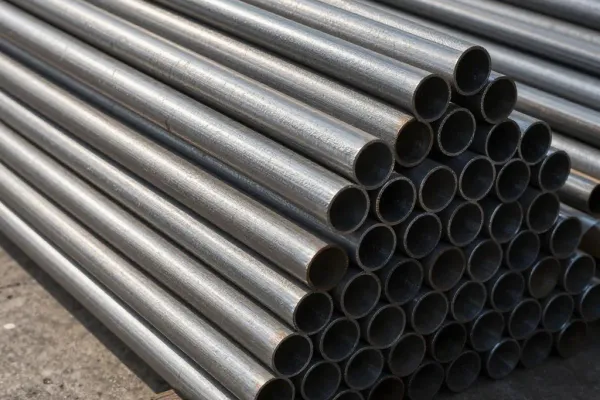
Kupovina pogrešne vrste nehrđajućeg čelika može uzrokovati skupe probleme. Dio može na površini izgledati isto, ali može brže otkazati u slanim, hemijskim ili vlažnim uslovima. Rješenje je naučiti kako ispravno provjeriti nehrđajući čelik 304 i 316 prije kupovine, izrade ili ugradnje.
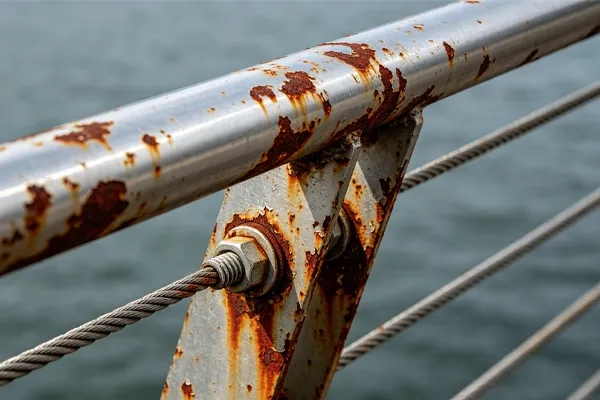
Nova ograda od kabela može izgledati čisto, moderno i gotovo bez potrebe za održavanjem. Ali mnogi kupci se brinu da će izloženost vanjskim uvjetima, vlaga i slani zrak s vremenom uzrokovati hrđu. Dobra vijest je da odgovarajući sustav ograde od nehrđajućeg čelika, s pravom klasom i održavanjem, može trajati godinama uz izvrsne performanse.

Obični čelični cijev može brzo otkazati kada vlaga, zrak ili hemikalije dospiju na površinu. To dovodi do mrlja, slabih mjesta i skupih popravki. Praktično rješenje je galvanizirati čelik, ali kupci i dalje trebaju znati kakvu zaštitu zapravo pruža galvanizirana cijev i gdje počinju njena ograničenja.


Jiuguang Metal je nedavno završio proizvodnju i isporuku komponenti od nehrđajućeg čelika za stepeništa i rukohvate za projekt unutrašnjeg i vanjskog prostora u Australiji. Projekt je obuhvatio više zona unutar razvoja, uključujući unutrašnje stepenište, vanjske prolaze, javne tranzicijske prostore i pristupne tačke podržane ogradama. Kao rezultat toga, odabir materijala, obrada površine, strukturalna stabilnost i dosljednost završne obrade proizvoda od nehrđajućeg čelika odigrali su važnu ulogu tokom cijelog projekta.
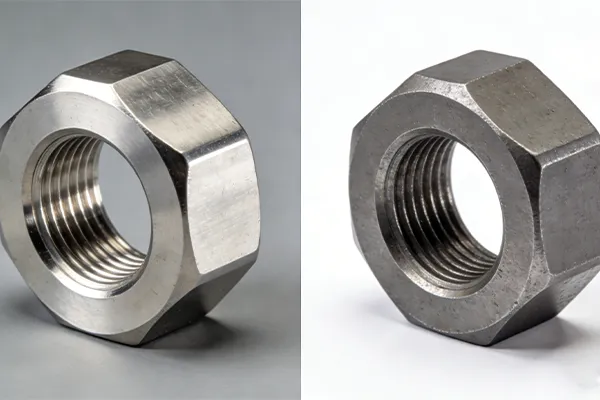
Često možete razlikovati nehrđajući čelik i meki čelik provjerom površinske obrade, ponašanja hrđe, reakcije na magnet, težine, rezultata testa iskre i certifikata o materijalu. Jednostavno rečeno, nehrđajući čelik sadrži najmanje 10,51% kroma, koji stvara zaštitni sloj oksida kroma za otpornost na koroziju, dok je meki čelik čelik s niskim udjelom ugljika koji se lakše hrđa u vlažnim uvjetima.
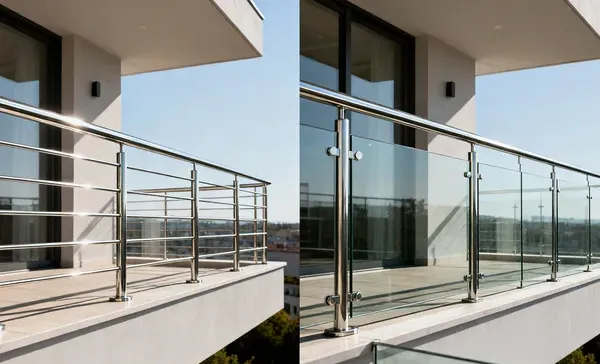
Balkon je platforma koja viri iz zgrade, dok je balustrada zaštitna barijera napravljena od stupova, šipki i često balustara postavljenih duž balkona, stepeništa, terase ili sprata. Ograda je širi pojam za sigurnosnu barijeru ili sistem rukohvata. Ukratko, balkon je sam prostor, a balustrada ili ograda je ono što pomaže zaštititi taj prostor.
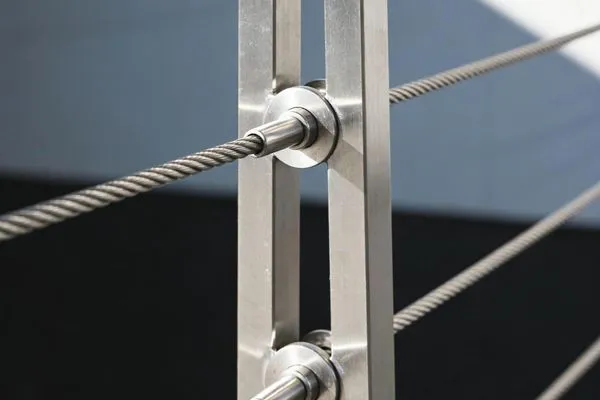
Za većinu projekata praktičan odgovor je da otvori za kablove moraju biti dovoljno uski da zadovolje test pravila sfere od 4 inča, jer zaštitne ograde obično ne mogu dopustiti prolaz sfere od 4 inča. Budući da se kablovi mogu savijati, mnogi proizvođači preporučuju razmak horizontalnih trasa kablova od oko 3 inča te upotrebu bliže postavljene potpore kako bi se kontrolisalo opuštanje i savijanje kablova. Uvijek provjerite sa IRC-om, IBC-om i lokalnom građevinskom upravom prije ugradnje.
šta je šta