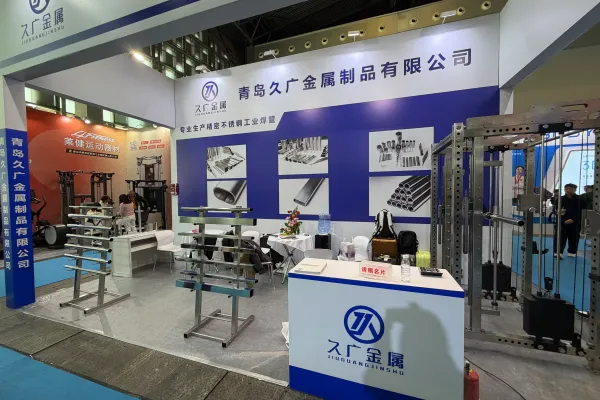
Explore how Jiuguang Metal showcased precision stainless steel welded tubes, custom profiles, and structural fabrication capabilities at the Shanghai International Fitness Expo.
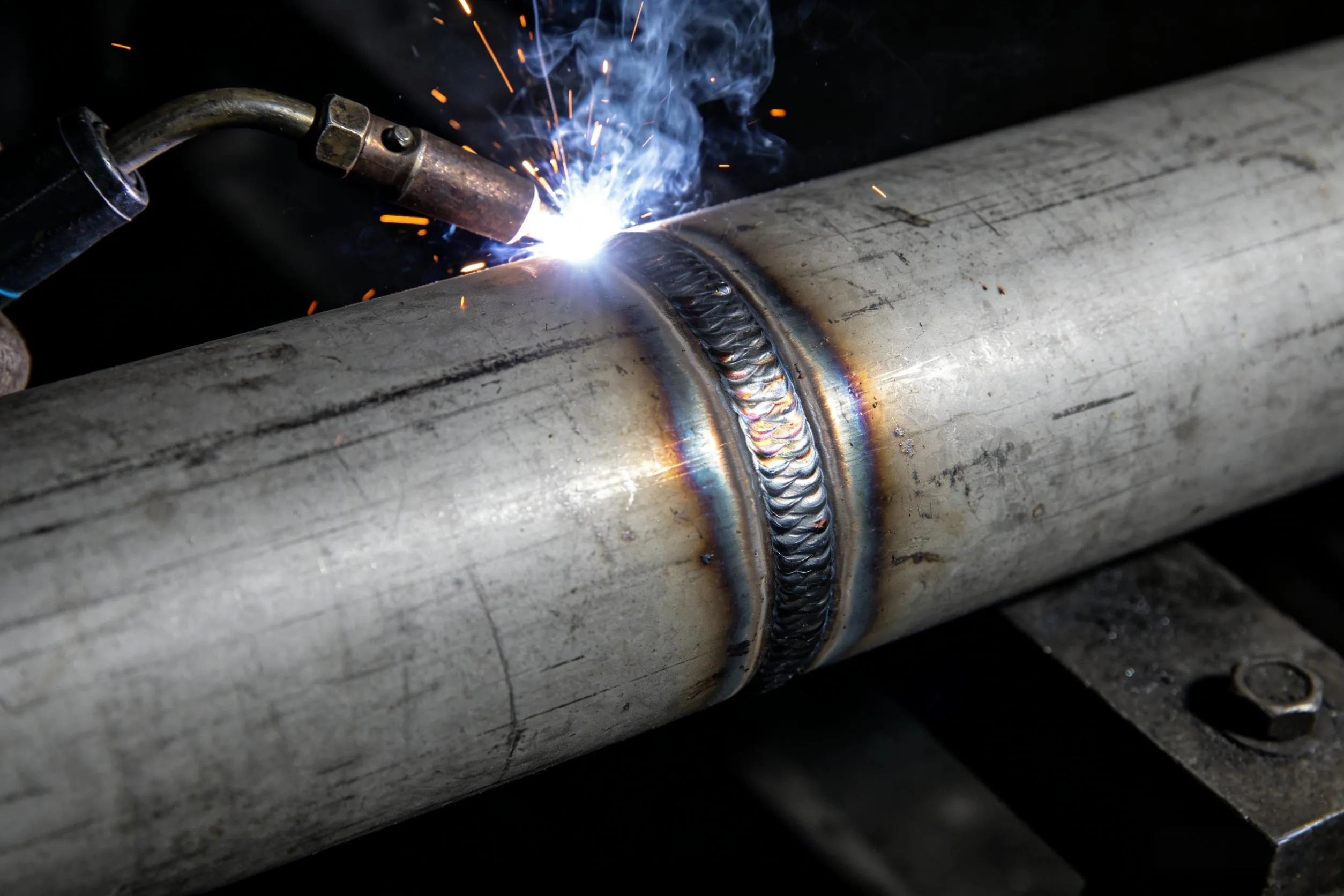
Yes, 316 stainless steel can be welded. In fact, 316 and 316L stainless steel are widely welded in tanks, piping, frames, marine parts, and process equipment. For most fabrication work, TIG welding, MIG welding, and even stick welding can all work. The key is proper heat control, correct filler metal, and smart post-weld cleaning to protect corrosion resistance, especially in corrosive environments.
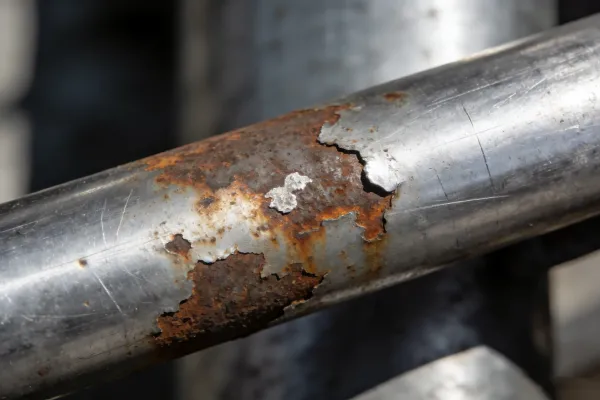
Buyers often assume stainless steels never fail. Then brown spots appear, a weld stains, or outdoor parts pit near the coast. That creates delays, claims, and extra cost. The good news is simple: when you understand grade selection, environment, and finishing, you can avoid most corrosion problems.
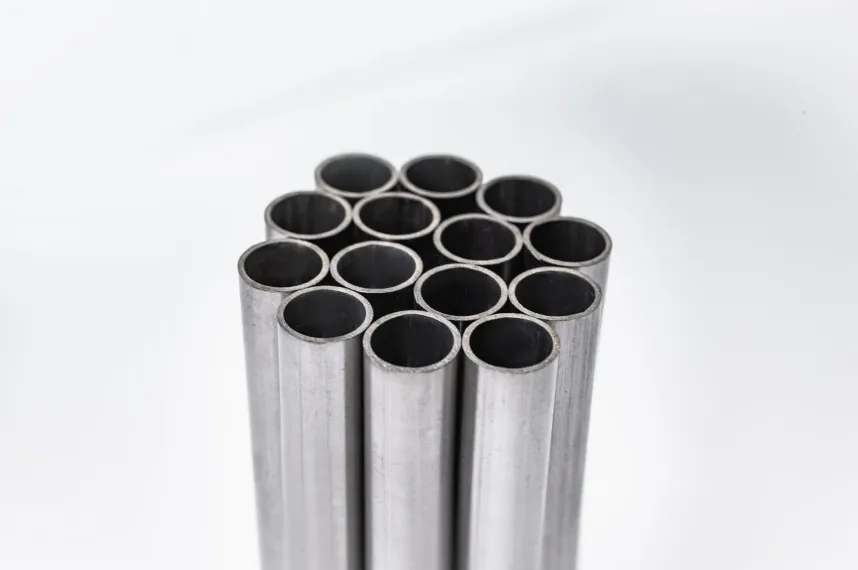
As chamadas de material errado custam dinheiro rapidamente. Um comprador encomenda o tubo errado, a parede não passa num teste de pressão, o fabrico abranda e a entrega atrasa-se. A solução é simples: compreender os dois tipos básicos de tubos, como são fabricados e onde cada um tem melhor desempenho.
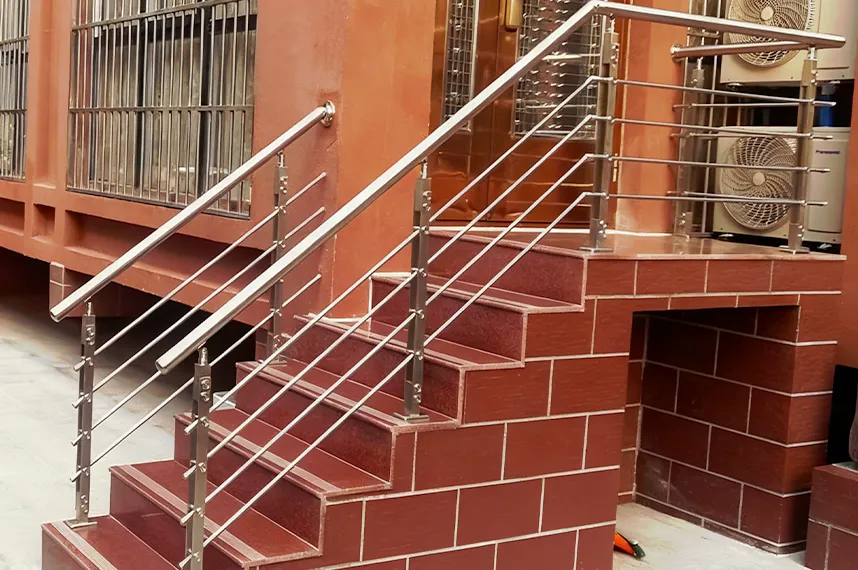
Escolher um corrimão parece fácil - até aparecerem pontos de ferrugem, um empreiteiro se queixar de problemas de soldadura ou o inspetor assinalar a altura do guarda-corpos. Isso é caro. E incómodo. A solução é simples: fazer corresponder o tipo de aço ao ambiente, à conceção do sistema de guarda-corpos e aos princípios básicos do código.
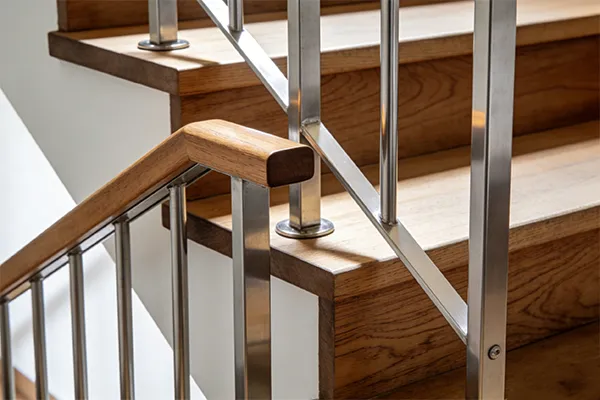
A escolha de um corrimão de escada pode parecer simples - até se aperceber que o corrimão errado pode parecer estranho, falhar uma verificação do código de construção ou parecer instável quando está a subir escadas. Esse stress acumula-se rapidamente. Vou mostrar-lhe uma forma clara e segura de escolher o corrimão de escada correto - para que obtenha um resultado forte e de boa aparência sem ter de adivinhar.
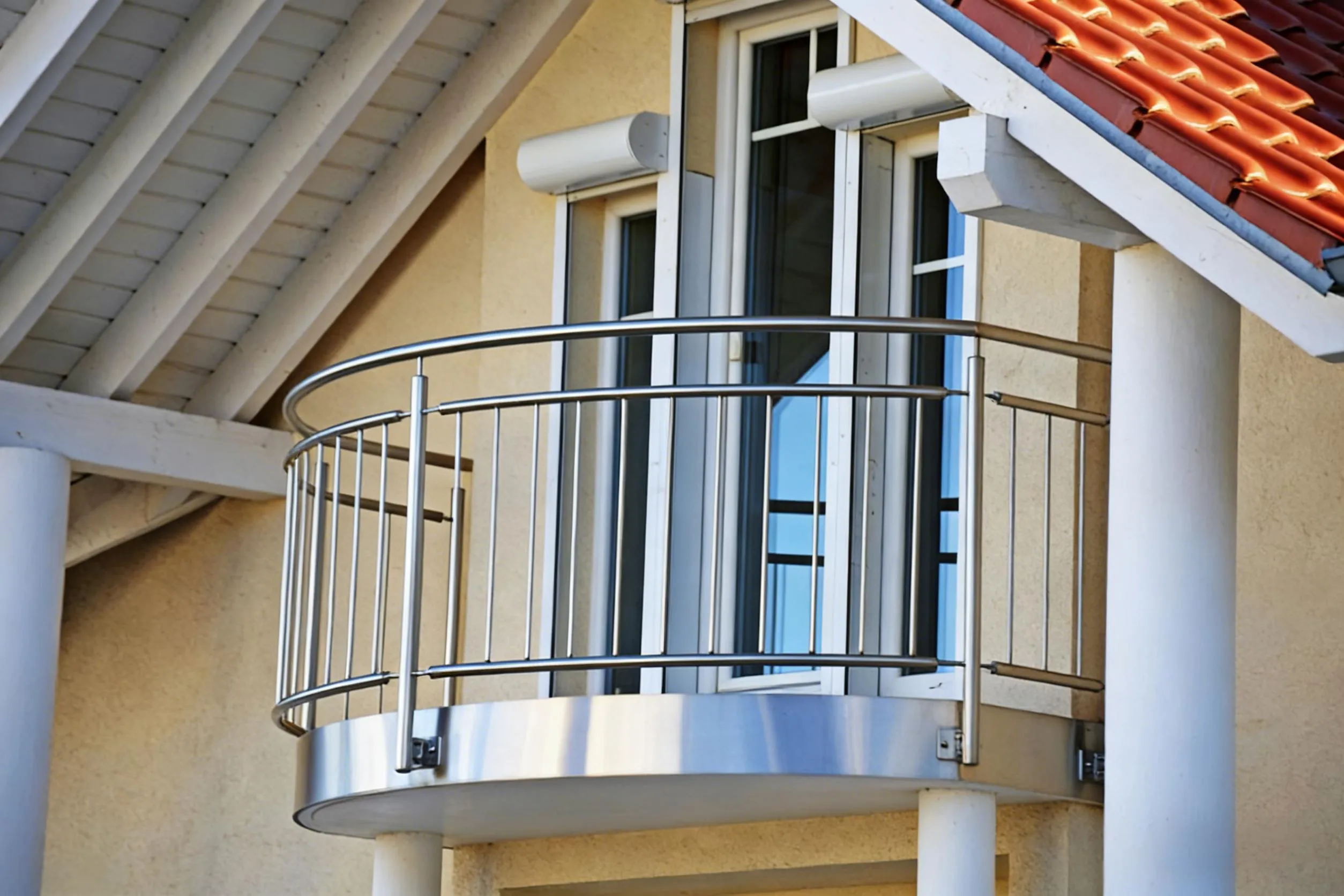
Uma varanda tem um ótimo aspeto - até que o corrimão comece a manchar, a furar ou a soltar-se. Depois, há queixas, reparações e riscos para a segurança. É frustrante e dispendioso. A solução é escolher o tipo de aço e o acabamento corretos para o seu clima e, em seguida, construir um sistema de guarda-corpos que os instaladores possam montar corretamente à primeira.
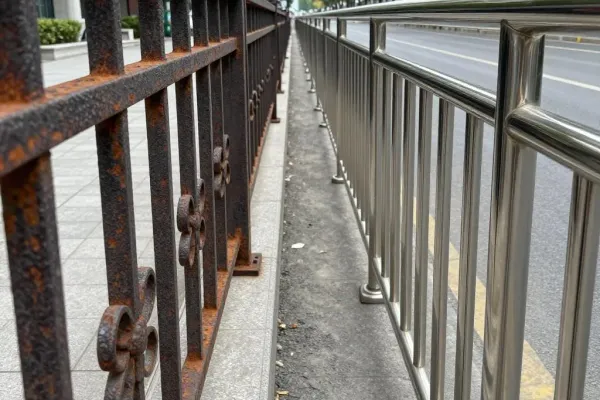
A weak railing is more than an eyesore—it’s a safety risk and a budget leak. When rust shows up early or the finish fails, you pay twice: once to build, again to fix. The solution is choosing the right metal and the right protection system from day one.
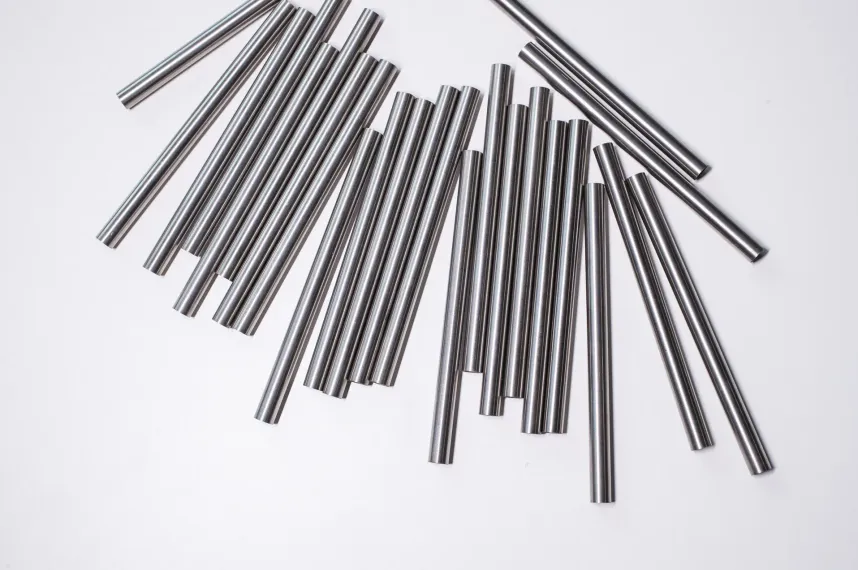
You keep hearing “seamless” is better, but suppliers use the word in different ways—pipes, gutters, even fabric. A small seam can become a weak spot, a leak point, or a cost surprise when the job site demands reliability. I’ll break down the real difference between seamless and non-seamless, show where each wins, and share a fast, buyer-friendly checklist we use as a China-based stainless steel manufacturer and exporter.The difference between seamless and non-seamless is simple: seamless products are made without seams, while non-seamless (welded or sectional) products have a seam created by joining material. In pipes, a seamless pipe has no weld seam and is often chosen for high pressure and high-temperature service. In gutters, a seamless gutter is made from a single piece along a roofline to reduce leak risk, while sectional gutters use joints that may leak over time.
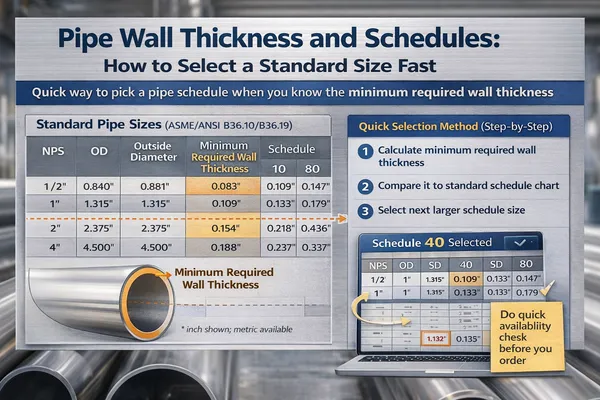
If you choose the wrong thickness, you don’t just “waste steel.” You risk leaks, rework, failed inspections, or a pipe that can’t handle pressure. That’s expensive—and stressful. In this guide, I’ll show a simple, engineer-friendly way to calculate and determine the minimum required wall thickness and then select a real-world size you can buy and fabricate.