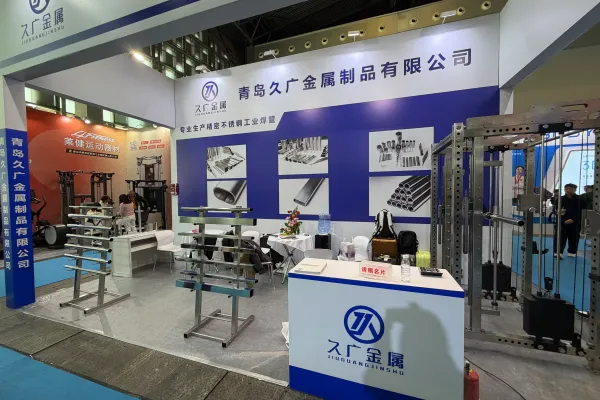
Explore how Jiuguang Metal showcased precision stainless steel welded tubes, custom profiles, and structural fabrication capabilities at the Shanghai International Fitness Expo.
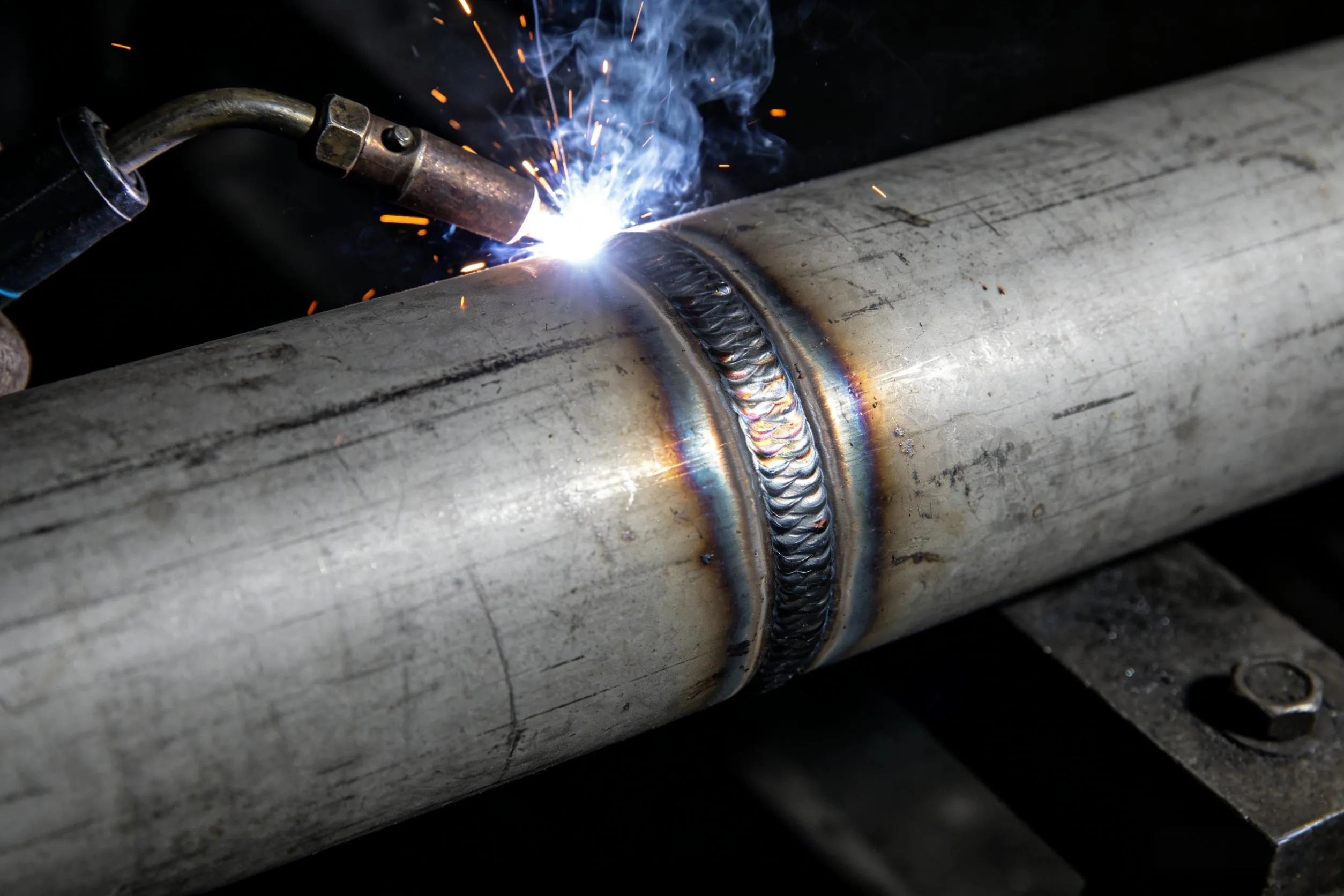
Yes, 316 stainless steel can be welded. In fact, 316 and 316L stainless steel are widely welded in tanks, piping, frames, marine parts, and process equipment. For most fabrication work, TIG welding, MIG welding, and even stick welding can all work. The key is proper heat control, correct filler metal, and smart post-weld cleaning to protect corrosion resistance, especially in corrosive environments.
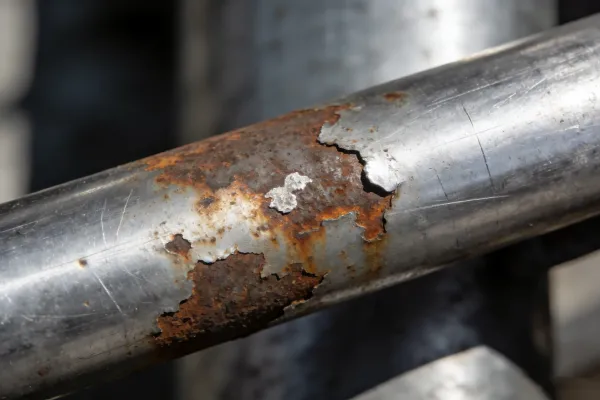
Buyers often assume stainless steels never fail. Then brown spots appear, a weld stains, or outdoor parts pit near the coast. That creates delays, claims, and extra cost. The good news is simple: when you understand grade selection, environment, and finishing, you can avoid most corrosion problems.
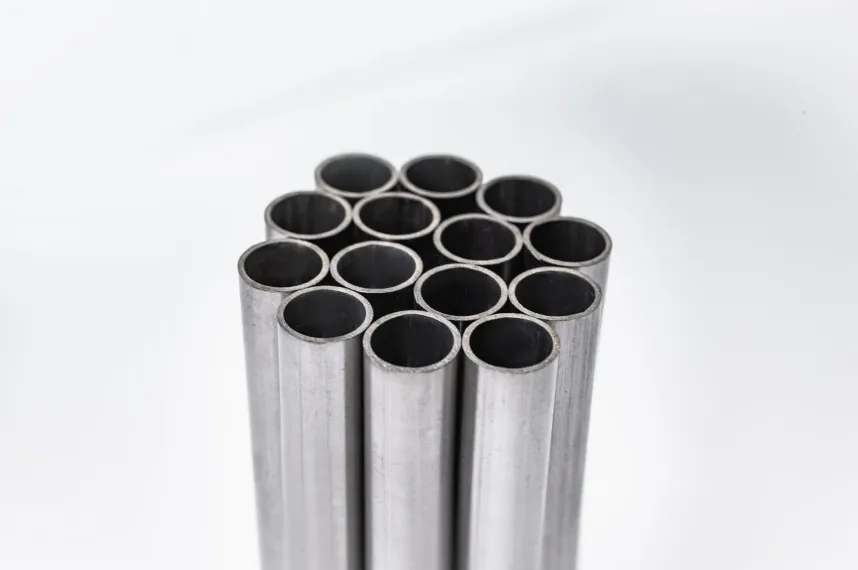
Wrong material calls cost money fast. A buyer orders the wrong tube, the wall fails a pressure test, fabrication slows down, and delivery slips. The fix is simple: understand the two basic types of tubing, how they are made, and where each one performs best.
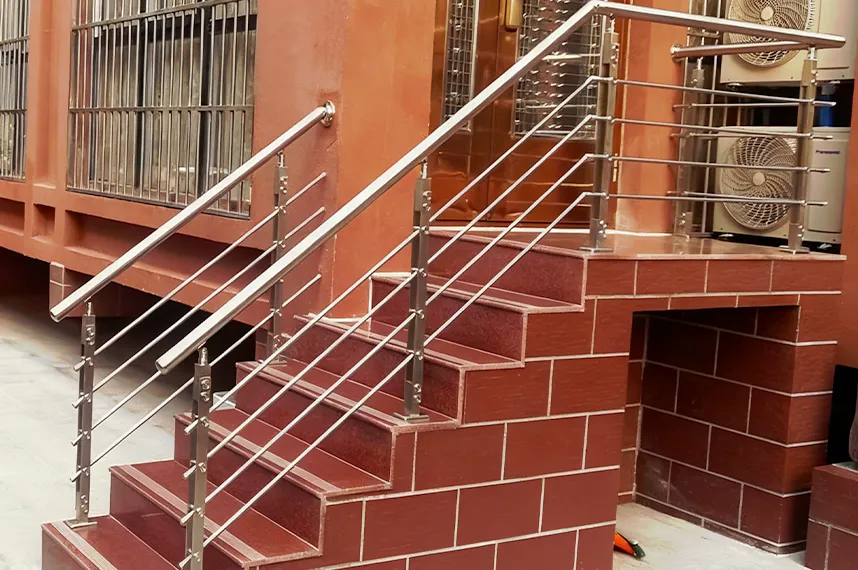
Elegir una barandilla parece fácil, hasta que aparecen manchas de óxido, un contratista se queja de problemas de soldadura o el inspector señala la altura de la protección. Eso es caro. Y molesto. La solución es sencilla: adapte la calidad del acero al entorno, al diseño del sistema de barandillas y a las normas básicas.
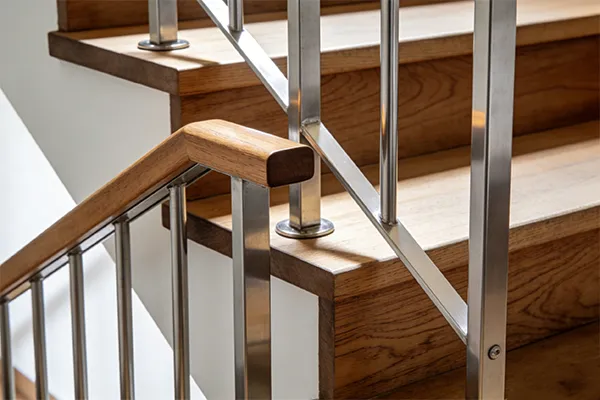
La elección de una barandilla de escalera puede parecer sencilla, hasta que se da cuenta de que una barandilla incorrecta puede dar la impresión de estar fuera de lugar, no cumplir las normas de construcción o resultar inestable al subir escaleras. El estrés se acumula rápidamente. Le mostraré una forma clara y segura de elegir la barandilla de escalera adecuada, para que obtenga un resultado resistente y atractivo sin tener que hacer conjeturas.
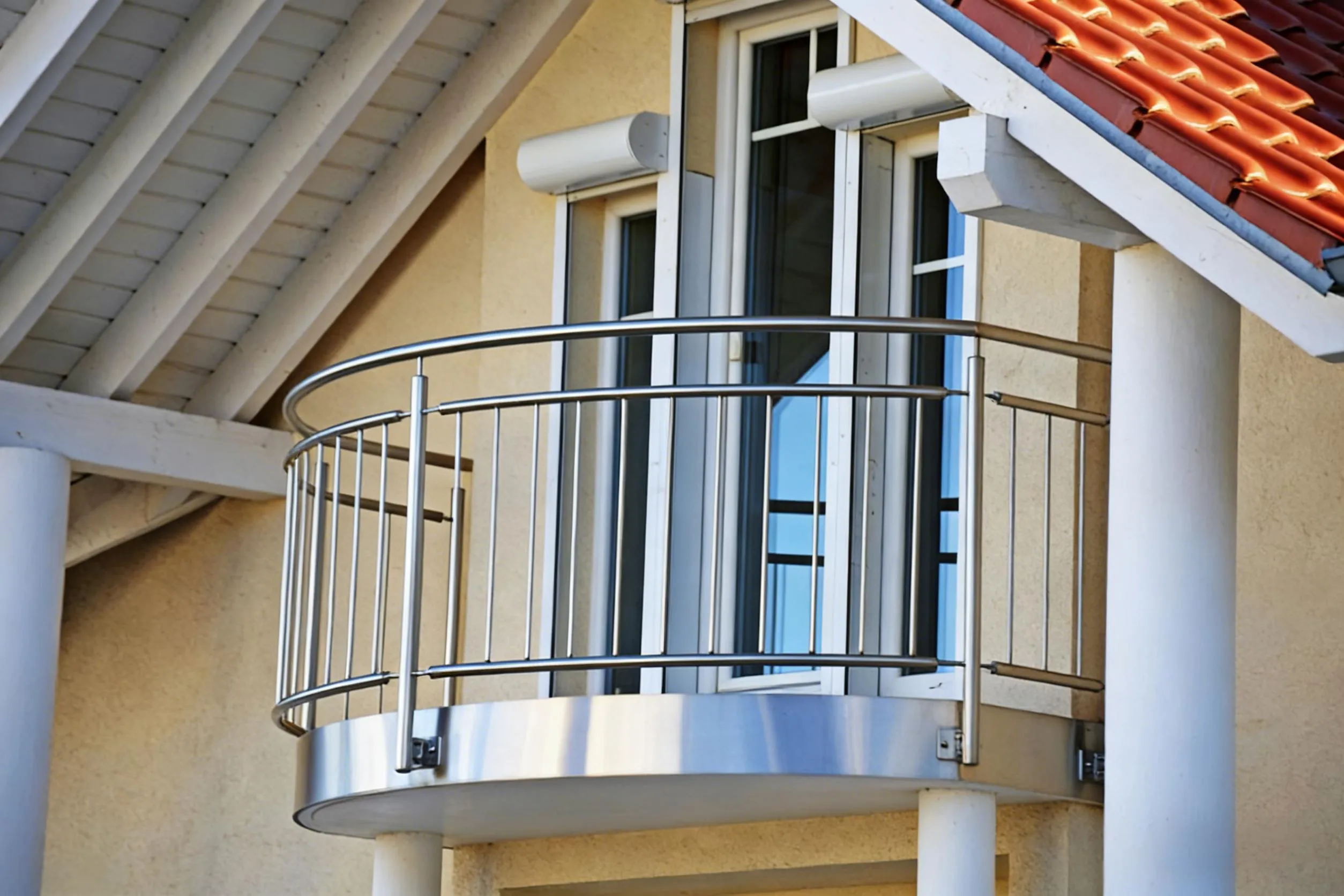
Un balcón tiene muy buen aspecto, hasta que la barandilla empieza a mancharse, picarse o aflojarse. Entonces llegan las quejas, las reparaciones y el riesgo para la seguridad. Es frustrante y caro. La solución es elegir la calidad y el acabado del acero adecuados para su clima y, a continuación, construir un sistema de barandillas que los instaladores puedan montar correctamente a la primera.
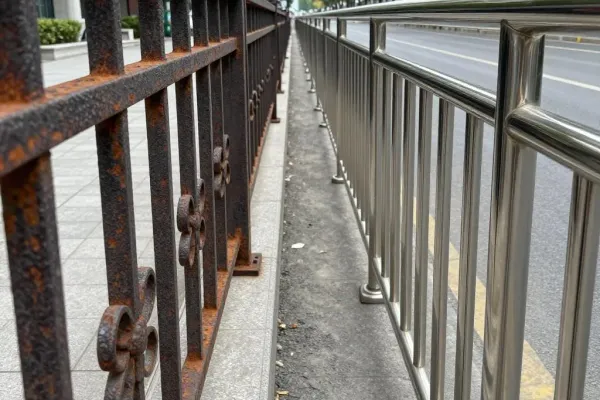
Una barandilla débil es algo más que una monstruosidad: es un riesgo para la seguridad y una pérdida de presupuesto. Cuando el óxido aparece pronto o el acabado falla, se paga dos veces: una para construir y otra para arreglar. La solución es elegir el metal y el sistema de protección adecuados desde el primer día.
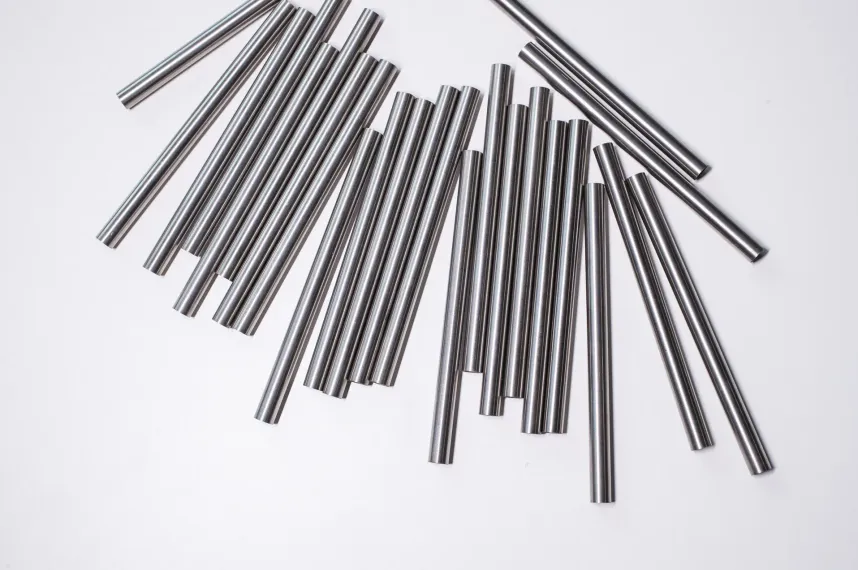
You keep hearing “seamless” is better, but suppliers use the word in different ways—pipes, gutters, even fabric. A small seam can become a weak spot, a leak point, or a cost surprise when the job site demands reliability. I’ll break down the real difference between seamless and non-seamless, show where each wins, and share a fast, buyer-friendly checklist we use as a China-based stainless steel manufacturer and exporter.The difference between seamless and non-seamless is simple: seamless products are made without seams, while non-seamless (welded or sectional) products have a seam created by joining material. In pipes, a seamless pipe has no weld seam and is often chosen for high pressure and high-temperature service. In gutters, a seamless gutter is made from a single piece along a roofline to reduce leak risk, while sectional gutters use joints that may leak over time.
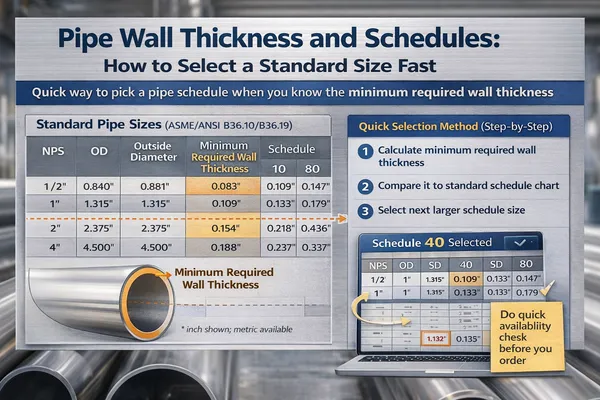
If you choose the wrong thickness, you don’t just “waste steel.” You risk leaks, rework, failed inspections, or a pipe that can’t handle pressure. That’s expensive—and stressful. In this guide, I’ll show a simple, engineer-friendly way to calculate and determine the minimum required wall thickness and then select a real-world size you can buy and fabricate.