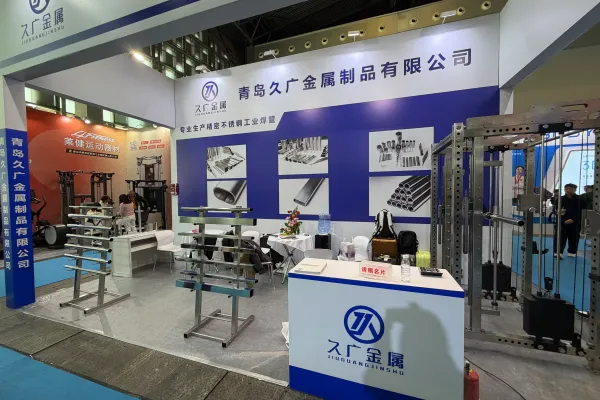
Explore how Jiuguang Metal showcased precision stainless steel welded tubes, custom profiles, and structural fabrication capabilities at the Shanghai International Fitness Expo.
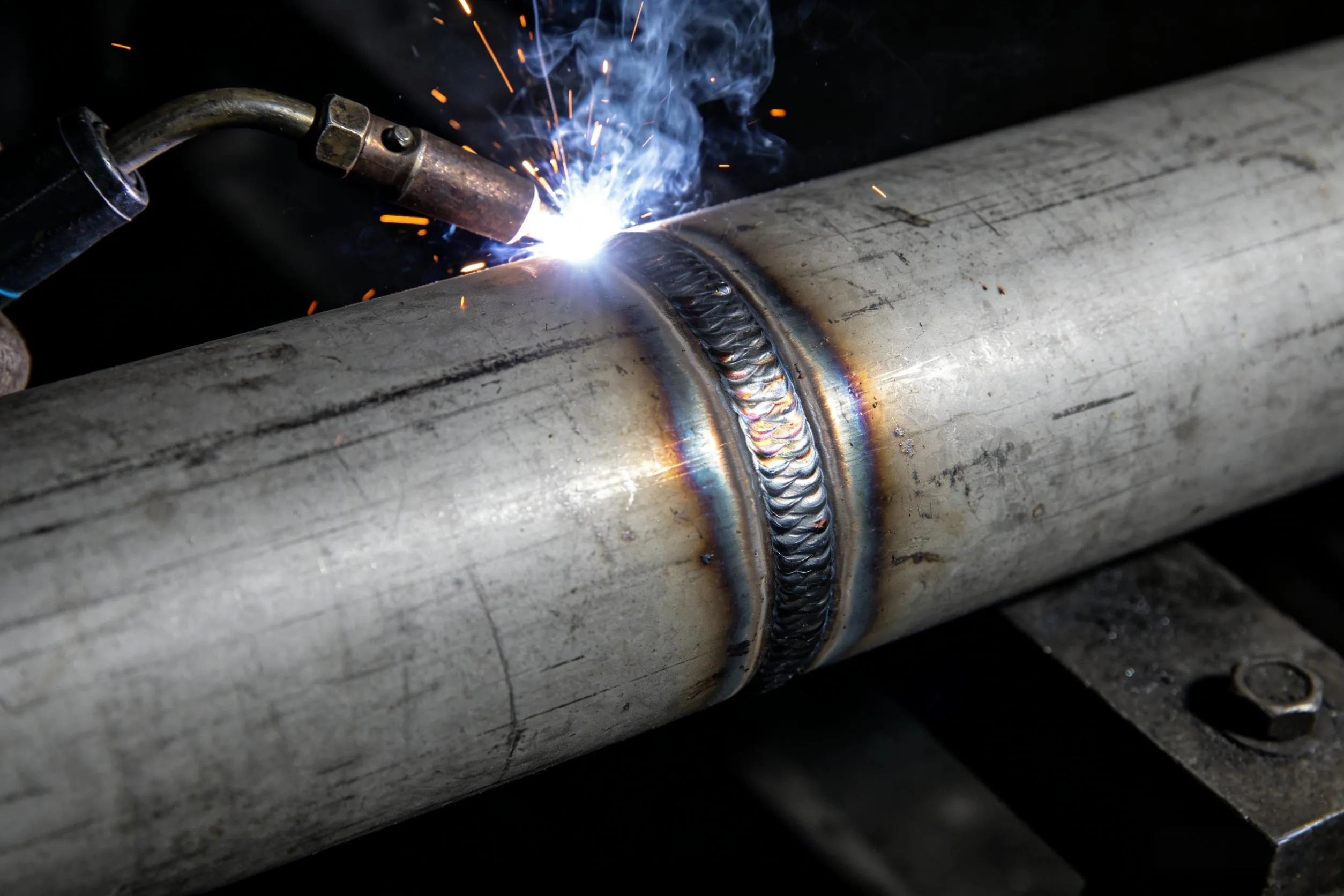
Yes, 316 stainless steel can be welded. In fact, 316 and 316L stainless steel are widely welded in tanks, piping, frames, marine parts, and process equipment. For most fabrication work, TIG welding, MIG welding, and even stick welding can all work. The key is proper heat control, correct filler metal, and smart post-weld cleaning to protect corrosion resistance, especially in corrosive environments.
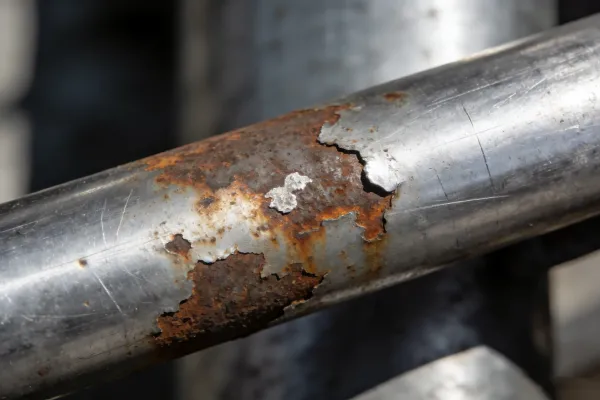
Buyers often assume stainless steels never fail. Then brown spots appear, a weld stains, or outdoor parts pit near the coast. That creates delays, claims, and extra cost. The good news is simple: when you understand grade selection, environment, and finishing, you can avoid most corrosion problems.
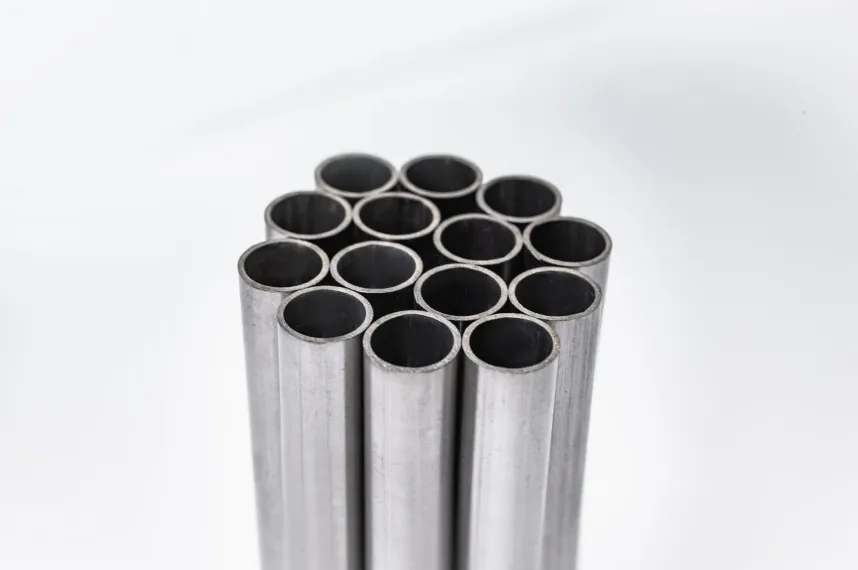
Yanlış malzeme aramaları hızla paraya mal olur. Alıcı yanlış boruyu sipariş eder, duvar basınç testinde başarısız olur, imalat yavaşlar ve teslimat aksar. Çözüm basittir: iki temel boru türünü, nasıl yapıldıklarını ve her birinin en iyi performansı nerede gösterdiğini anlamak.
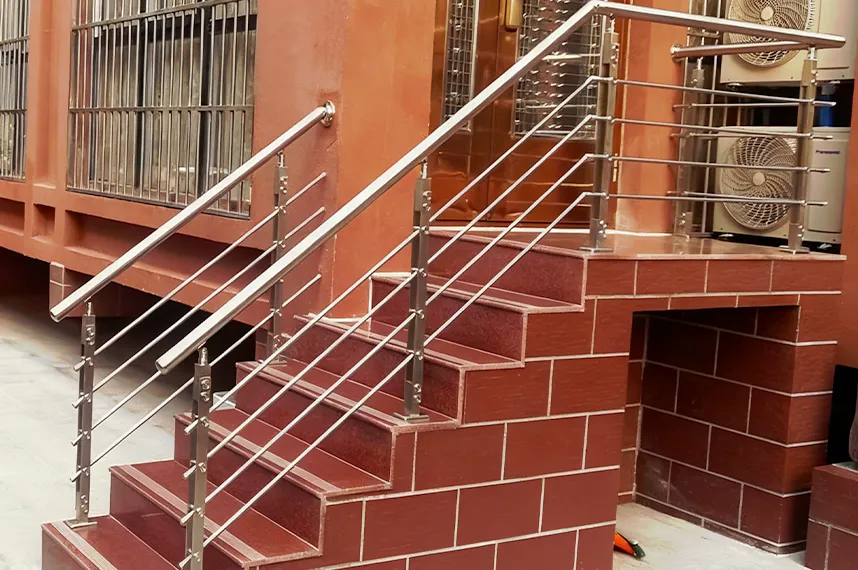
Korkuluk seçmek kulağa kolay geliyor - ta ki pas lekeleri ortaya çıkana, bir yüklenici kaynak sorunlarından şikayet edene veya denetçi koruma yüksekliğinizi işaretleyene kadar. Bu pahalıya patlar. Ve can sıkıcıdır. Çözüm basittir: çelik kalitesini çevreye, korkuluk sistemi tasarımına ve kod temellerine uygun hale getirin.
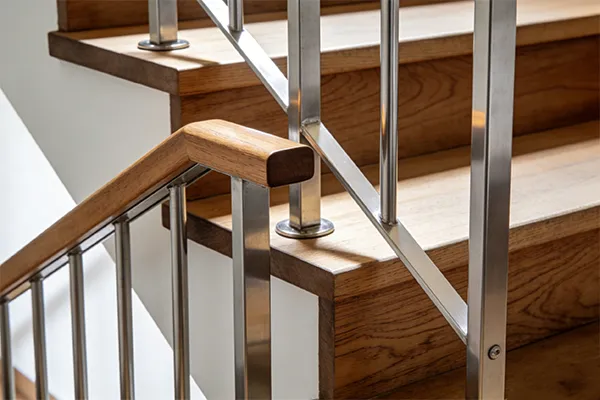
Merdiven rayı seçmek basit gelebilir - ta ki yanlış rayın kötü görünebileceğini, bina kodu kontrolünde başarısız olabileceğini veya merdiven çıkarken titreyebileceğini fark edene kadar. Bu stres hızla artar. Size doğru merdiven korkuluğunu seçmenin net ve güvenli bir yolunu göstereceğim; böylece tahmin yürütmeden güçlü ve iyi görünümlü bir sonuç elde edeceksiniz.
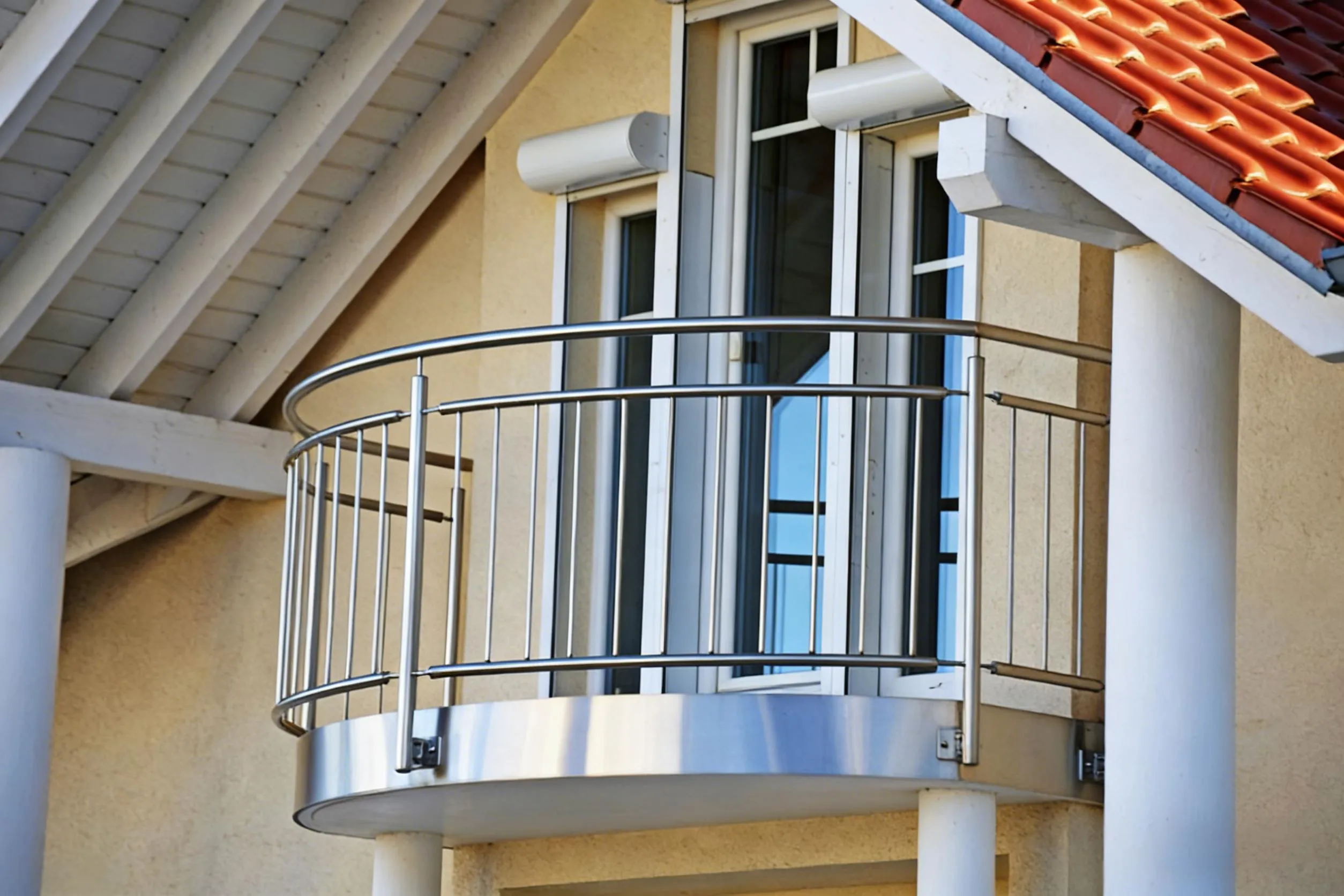
Bir balkon harika görünür - ta ki korkuluklar lekelenmeye, çukurlaşmaya veya gevşemeye başlayana kadar. Sonra şikayetler, onarımlar ve güvenlik riski ortaya çıkar. Bu sinir bozucu ve pahalı bir durumdur. Çözüm, ikliminiz için doğru çelik kalitesini ve kaplamayı seçmek, ardından montajcıların ilk seferde doğru şekilde monte edebileceği bir korkuluk sistemi inşa etmektir.
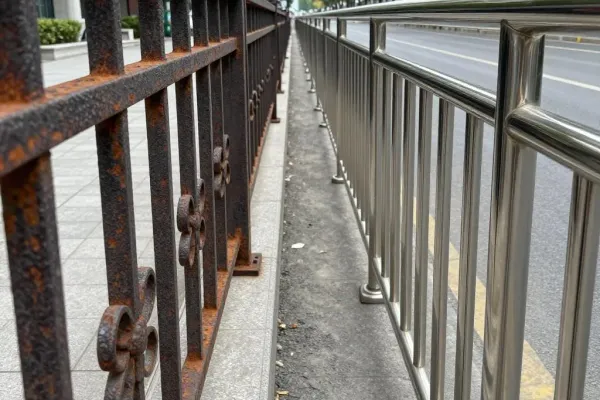
Zayıf bir korkuluk göze batmanın ötesinde bir güvenlik riski ve bütçe kaçağıdır. Pas erken ortaya çıktığında veya kaplama başarısız olduğunda, iki kez ödeme yaparsınız: bir kez inşa etmek için, bir kez de düzeltmek için. Çözüm, ilk günden itibaren doğru metali ve doğru koruma sistemini seçmektir.
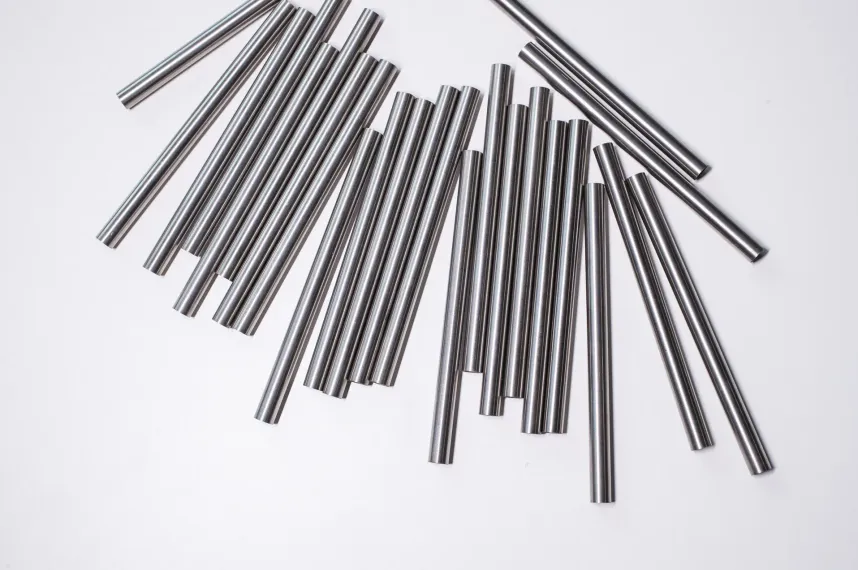
You keep hearing “seamless” is better, but suppliers use the word in different ways—pipes, gutters, even fabric. A small seam can become a weak spot, a leak point, or a cost surprise when the job site demands reliability. I’ll break down the real difference between seamless and non-seamless, show where each wins, and share a fast, buyer-friendly checklist we use as a China-based stainless steel manufacturer and exporter.The difference between seamless and non-seamless is simple: seamless products are made without seams, while non-seamless (welded or sectional) products have a seam created by joining material. In pipes, a seamless pipe has no weld seam and is often chosen for high pressure and high-temperature service. In gutters, a seamless gutter is made from a single piece along a roofline to reduce leak risk, while sectional gutters use joints that may leak over time.
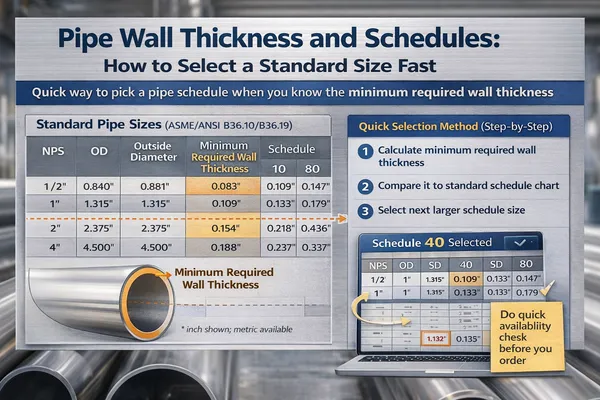
If you choose the wrong thickness, you don’t just “waste steel.” You risk leaks, rework, failed inspections, or a pipe that can’t handle pressure. That’s expensive—and stressful. In this guide, I’ll show a simple, engineer-friendly way to calculate and determine the minimum required wall thickness and then select a real-world size you can buy and fabricate.