Outdoor stainless steel should look clean, strong, and professional. But rain, salt, dust, and poor cleaning can cause rust stains, pitting, and corrosion. The good news is simple: choose the right steel grade, clean it properly, and use smart rust prevention methods.
To stop stainless steel from rusting outside, clean the surface often, rinse away chloride and dirt, dry standing water, avoid steel wool, remove light rust early, choose Acciaio inox 316 for salty areas, and apply a clear coating or protective coating when extra outdoor protection is needed.
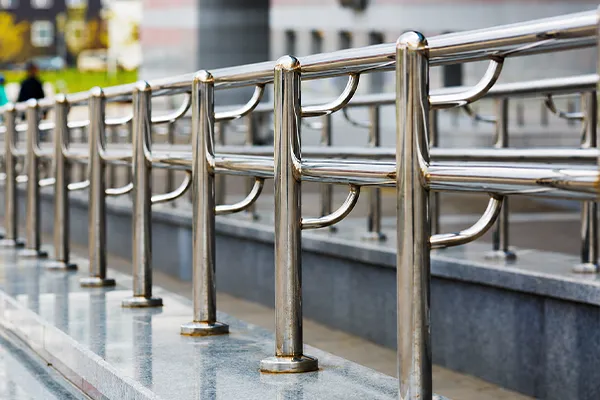
Why Does Stainless Steel Rust Outside?
Is Stainless Steel Really Rust-Proof?
What Causes Rust on Stainless Steel Outdoors?
How Can You Prevent Rust on Stainless Steel?
How to Clean Stainless Steel Outside Correctly?
Should You Use a Coating to Protect Stainless Steel?
How to Remove Rust from Stainless Steel?
Which Grades of Stainless Steel Are Best Outdoors?
What Mistakes Make Stainless Steel Rust Faster?
B2B Buying Guide: How to Source Outdoor Stainless Steel Parts
Stainless steel can rust outside when its surface protection is damaged or blocked by dirt, salt, hard water, iron contamination, or corrosive chemicals. Many buyers think stainless steel never rusts. That is not true. It resists rust better than mild steel or carbon steel, but it still needs the right environment and proper maintenance.
The reason stainless steel resists rust is its chromium content. Chromium helps form a very thin chromium oxide layer on stainless steel. This oxide layer protects the surface of the steel from oxidation and corrosion. If the layer is scratched, polluted, or attacked by chloride, rust can appear.
For outdoor use, rust is usually not caused by the stainless steel “turning bad” overnight. It often starts from a surface contaminant, deposit, salt spray, pool chemicals, standing water, or poor cleaning method. If you catch early rust quickly, you can often stop deeper rust damage.
No, stainless steel is not completely rust-proof. A better word is rust-resistant. It can stay rust free for many years when the right grade, surface finish, and maintenance plan are used.
Outdoor stainless steel surfaces face rain, dust, air pollution, water spots, and sometimes chloride from sea air or de-icing salt. These can attack the protective layer on stainless steel. In chloride-rich environments, stainless steel may suffer local corrosion such as pits or crevice corrosion. Industry sources note that atmospheric corrosion in stainless steel is often local in the presence of chlorides.
This is why a professional supplier should never say, “All stainless steel will never rust.” As a stainless steel manufacturer and exporter in China, I prefer to explain grade selection clearly. 304 is useful for many normal outdoor projects. 316 offers better corrosion resistance in marine or chloride environments.
The most common cause of rust on stainless steel outside is surface contamination. Tiny iron particles from tools, grinding dust, nearby mild steel work, or transport contact can sit on the surface and rust. The stainless steel below may still be fine, but the surface looks stained.
Another common cause is chloride. Salt air, coastal wind, pool chemicals, and some cleaners can damage the oxide layer. Once the layer on stainless steel weakens, small pits can form. A pit may look tiny at first, but it can grow if not cleaned.
Here are common outdoor rust triggers:
| Cause | What It Does | Common Location |
|---|---|---|
| Chloride | Attacks the passive layer | Coastal projects, pools, roads |
| Contaminazione da ferro | Creates rust stains | Fabrication, cutting, transport |
| Standing water | Holds dirt and minerals | Flat surfaces, joints, corners |
| Harsh cleaner | Damages surface finish | Maintenance mistakes |
| Steel wool | Leaves iron particles and scratches | Cleaning error |
| Hard water | Leaves mineral marks | Outdoor furniture, railings |
| Scarso drenaggio | Creates wet areas | Base plates, staffe, frames |
For buyers, the message is clear: outdoor stainless steel rust is often preventable.

The best way to prevent rust is to keep your stainless steel clean, dry, and free from chloride deposits. Wash the surface with water and mild soap, rinse with fresh water, and dry with a clean dry cloth. This simple routine helps protect stainless steel from rusting.
For outdoor projects, create a cleaning schedule. A sheltered indoor part may need little care. A balcony railing near the sea may need regular rinsing. A stainless equipment frame near pool chemicals may need more careful inspection.
British Stainless Steel Association guidance says washing with soap or mild detergent and warm water, followed by a clear water rinse, is usually adequate for stainless steel cleaning.
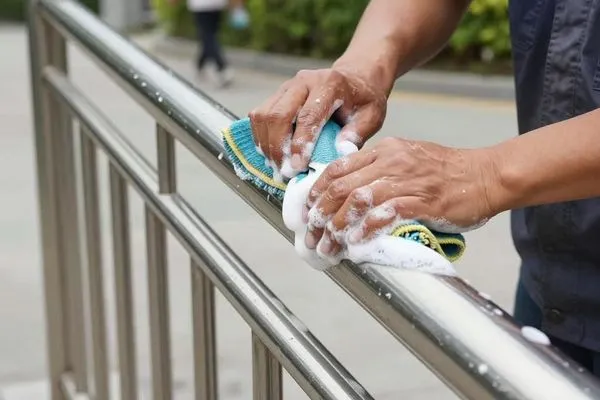
To clean stainless steel outside, start gently. Use water and mild soap, a soft cloth, or a plastic scouring pad if needed. Follow the grain of the stainless when wiping polished stainless surfaces. This helps avoid visible scratches.
After washing, rinse the surface with clean water. Do not leave cleaner residue. Then dry the surface with a dry cloth. This step matters because standing water and hard water marks can leave mineral deposits.
For fingerprint marks or light dirt, a cleaner formulated for stainless can help. But do not overuse strong chemicals. Also avoid bleach, chlorine-heavy cleaners, and harsh abrasive tools. If you use a commercial cleaner, test a small area first.
Simple Outdoor Cleaning Process
| Passo | Action | Scopo |
|---|---|---|
| 1 | Remove loose dirt | Prevent scratching |
| 2 | Lavare con acqua e sapone | Lift dust, oil, and deposits |
| 3 | Rinse with fresh water | Remove cleaner residue |
| 4 | Wipe dry | Reduce water spots |
| 5 | Inspect surface | Find early rust or pits |
| 6 | Apply protection if needed | Support long-term rust prevention |
Clean stainless steel before rust becomes serious. It is easier to remove light rust than to repair deep pitting.
A coating can help protect stainless steel in harsh outdoor environments. A clear coating, durable clear coating, or clear protective coating can reduce direct contact with salt, water, dirt, and pollutants. It is useful for decorative parts, railings, outdoor furniture, signage, and some steel parts.
However, coating is not a magic fix. The surface must be clean and dry before applying the coating. The coating must also be fully cured before the stainless steel items go into service. If the surface still has oil, dust, rust stains, or iron contamination, the coating may fail.
A protective coating is most useful when:
Some buyers also use a thin layer of oil for temporary storage protection. This can help during shipping or warehouse storage, but it is not the same as a long-term coating system.
To remove rust from stainless steel, start with the least aggressive method. For light rust, use warm water, mild cleaner, and a soft cloth. If the rust remains, use a stainless-safe rust remover or non-abrasive cleaning paste.
Do not use steel wool. Steel wool can scratch the surface and leave iron particles behind. These particles may later rust and create more stains. Instead, use a plastic scouring pad or a cleaner designed for stainless steel.
If you need to remove the rust from old stainless parts, do not grind too aggressively. Deep scratches can reduce the surface finish and make future rust formation easier.
The right grade matters. For normal outdoor use, Acciaio inox 304 is common. It works well in many cities and general construction projects. For coastal areas, swimming pools, chemical plants, and chloride environments, 316 stainless steel is usually a better choice.
316 contains molybdenum, which helps improve resistance to pitting in chloride environments. That does not mean 316 never rusts. It still needs cleaning. But compared with 304, it is often the better outdoor choice when the steel is exposed to salt.
| Ambiente | Suggested Grade | Buyer Note |
|---|---|---|
| Normal outdoor air | 304 | Good general option |
| Coastal area | 316 | Better chloride resistance |
| Pool area | 316 or project-specific grade | Watch pool chemicals |
| Industrial pollution | 316 o superiore | Check corrosive exposure |
| Indoor dry use | 201 / 304 depending on project | Cost and appearance matter |
| Food or medical use | 304 / 316 | Confirm hygiene requirements |
When choosing grades of stainless steel, do not look at grade alone. Also check surface finish, wall thickness, fabrication method, passivation, packing, and installation environment.
The fastest way to damage stainless steel is to clean it like ordinary steel. Stainless needs gentle care. Do not use steel wool, strong acid cleaners, chloride cleaners, or rough abrasive tools.
Another mistake is mixing stainless steel and carbon steel during fabrication. If carbon steel dust touches the stainless surface, rust stains can appear. This is common in workshops that cut, grind, or weld different materials in the same area.
Avoid these mistakes:
The goal is simple: protect your stainless steel before rust starts.
Surface finish affects rust prevention. A rough surface holds dirt, salt, and water more easily. A smoother surface is easier to clean and less likely to trap deposits.
Polished stainless can look clean and modern, but it still needs care. Brushed finishes should be cleaned along the grain. Mirror finishes need careful packing and handling to avoid scratches. Industrial finishes may be strong, but they can collect more dirt if the surface is too rough.
For B2B buyers, finish choice should match the final use:
| Finitura superficiale | Common Use | Rust Prevention Note |
|---|---|---|
| Spazzolato | Railings, panels, equipment | Clean with the grain |
| Mirror | Decoration, luxury projects | Avoid scratches |
| Pickled | Industrial pipe and plate | Good for fabrication use |
| Sabbiato | Architectural parts | Needs correct cleaning plan |
| Passivated | Stainless components | Helps remove free iron |
Passivation can help improve corrosion performance by removing free iron from stainless surfaces and supporting the passive oxide layer. Passivation processes commonly use nitric acid or citric acid.
If you are an industrial distributor, steel wholesaler, engineering contractor, fabricator, OEM buyer, or B2B buying office, outdoor stainless sourcing must start with the application.
Do not only ask for “stainless steel price.” A better inquiry includes grade, size, surface finish, quantity, outdoor environment, drawing, tolerance, and packing requirement. This helps the supplier recommend the right steel and rust prevention method.
Stainless Steel Inquiry Checklist
| Information | Esempio |
|---|---|
| Prodotto | Tube, sheet, plate, railing part, bracket, montaggio |
| Grado | 304, 316, 316L, duplex |
| Ambiente | Indoor, outdoor, coastal, pool, industrial |
| Dimensione | Thickness, OD, length, width |
| Superficie | Brushed, mirror, pickled, polished |
| Elaborazione | Cutting, bending, welding, drilling |
| Protection | Passivation, coating, oil, film |
| Packing | Seaworthy export packing |
| Quantità | Pieces, meters, tons, container |
| Documents | MTC, inspection report, CO, packing list |
As a professional stainless steel manufacturer and exporter based in China, we help buyers select steel materials for outdoor durability, not just low price. This is important for contractors and distributors who must protect their project reputation.
A contractor once needed ringhiera in acciaio inox parts for a seaside project. At first, the buyer considered 304 because it was cheaper. After reviewing the site location, wind exposure, and salt level, we suggested 316 stainless steel with a proper surface finish and regular rinsing plan.
The buyer also requested better export packing to avoid iron contamination during transport. This reduced the risk of early rust stains after installation.
The result was a cleaner outdoor appearance and fewer maintenance problems. The lesson is clear: stainless steel rust prevention starts before the product leaves the factory.
To keep your stainless steel looking new outside, build a simple maintenance routine. Clean it before dirt becomes heavy. Rinse salt after storms. Dry flat areas. Inspect welds, corners, and fasteners.
For public works, buildings, balconies, water heater covers, outdoor kitchen parts, and stainless equipment, proper maintenance can extend service life and keep the product looking professional.
Here is a simple schedule:
| Outdoor Condition | Cleaning Frequency |
|---|---|
| Normal city outdoor area | Every 2–3 months |
| Rainy or dusty area | Monthly or as needed |
| Coastal area | Every 2–4 weeks |
| Pool or chemical area | Weekly inspection |
| Industrial pollution area | Frequent cleaning and inspection |
This schedule is only a practical guide. Real cleaning frequency depends on local exposure.
Can stainless steel rust outside?
Yes, stainless steel can rust outside if exposed to chloride, iron contamination, standing water, harsh chemicals, or poor maintenance. It resists rust better than many steels, but it is not completely rust-proof.
How do I protect stainless steel from rusting outdoors?
To protect stainless steel from rusting outdoors, choose the correct grade, clean it with mild soap and water, rinse with fresh water, dry the surface, avoid steel wool, remove early rust, and use a clear coating in harsh environments.
What is the best coating for outdoor stainless steel?
A durable clear coating or protective coating can help outdoor stainless steel resist dirt, moisture, and salt. The best coating depends on the environment, surface finish, and expected service life. The surface must be clean and dry before applying the coating.
Can I use steel wool to clean stainless steel?
No. Do not use steel wool on stainless steel. It can scratch the surface and leave iron particles that later rust. Use a soft cloth, plastic scouring pad, or stainless-safe cleaner instead.
How do I remove rust from stainless steel?
To remove rust, rinse the surface, use a mild stainless cleaner, wipe along the grain, use a plastic scouring pad for light rust, rinse again, and dry with a cloth. For deeper rust, use a stainless-safe rust remover.
Is 304 or 316 better for outdoor stainless steel?
304 is good for many normal outdoor environments. 316 is better for coastal, pool, and chloride-rich areas because it offers stronger corrosion resistance. For harsh environments, 316 is usually the safer choice.
Stainless steel is rust-resistant, not fully rust-proof.
Outdoor rust often starts from chloride, iron contamination, standing water, or poor cleaning.
The chromium oxide layer helps protect stainless steel from corrosion.
Clean stainless steel with mild soap, warm water, and fresh water rinse.
Do not use steel wool or harsh abrasive cleaners.
Remove light rust early before it becomes deep rust damage.
Use 316 stainless steel for coastal, pool, and chloride-rich environments.
A clear coating can help protect stainless steel in harsh outdoor areas.
Surface finish, passivation, packing, and installation all affect rust prevention.
For B2B projects, choose a supplier that understands outdoor application, grade selection, coating, fabrication, and export protection.