Choosing the wrong pipe can cause weak joints, failed inspections, leaks, and extra project cost. The risk grows when buyers only compare welded vs seamless prices. The solution is to understand when seamless pipe can be welded, how to weld it, and how to source the right steel pipe.
Yes, seamless pipe can be welded. Although seamless pipe has no original weld seam, it can be joined by welding during fabrication, installation, or pipe system assembly. The key is to choose the right grade, wall thickness, welding method, filler material, heat treatment, inspection process, and project standard.
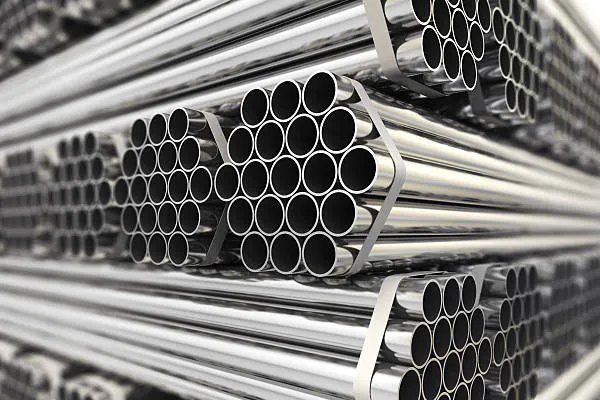
Can Seamless Pipe Be Welded?
What Is Seamless Pipe and How Is It Made?
What Is Welded Pipe and How Is It Different?
Seamless vs Welded Pipe: What’s the Difference?
Why Do Buyers Weld Seamless Steel Pipe?
How Should Seamless Pipe Be Welded?
Does Welding Reduce the Strength and Durability of Seamless Pipe?
When Should You Use Seamless Pipe Instead of Welded Pipe?
When Is Welded Pipe Better Than Seamless Pipe?
Standards and Inspection for Seamless and Welded Steel Pipes
How to Source Seamless Pipe from a China Stainless Steel Supplier
Sí, tubo sin soldadura can be welded. The word “seamless” means the pipe body has no longitudinal seam from the original manufacturing process. It does not mean the pipe cannot be welded during installation or fabrication.
In real industrial projects, seamless pipe is often cut, beveled, fitted, and welded into a larger piping system. Engineering contractors weld seamless steel pipe to fittings, flanges, elbows, reducers, valves, and other pipe sections. This is common in oil and gas, chemical plants, boiler systems, power generation, and high-pressure lines.
For B2B buyers, the main question is not “Can I weld it?” The better question is: What welding procedure, standard, material grade, and inspection method should I use? A good supplier should help you confirm these details before shipment.
Seamless pipe is made from a solid billet of steel. The billet is heated and formed, then pierced through the center to create a hollow form. After that, the pipe goes through rolling and stretching process steps to reach the required diameter and wall thickness.
In simple terms, seamless piping begins with steel called a billet, not a flat strip. The billet is heated, pierced, rolled, sized, cooled, straightened, tested, and cut. Some products may also go through cold rolling, cold drawing, annealing, pickling, or polishing.
Because seamless pipe has no weld seam, it is often selected for high-pressure, high-temperature applications, and critical applications. ASTM A106, for example, covers carbon steel pipe for high-temperature service and notes that the pipe is suitable for welding, bending, flanging, and similar forming operations.
Welded pipe starts from flat steel strip, coil, or plate. In welded pipe manufacturing, the material is fed through a rolling machine and shaped into a cylindrical shape. The edges are then welded together. This creates a longitudinal seam along the pipe body.
One common type is ERW pipe, which means electric resistance welded pipe. In this method, heat and pressure join the edges without adding filler metal. Other welded steel pipe types may use different welding techniques depending on diameter, wall thickness, and application.
The biggest difference is simple: seamless pipe has no original seam, while welded pipe has a weld seam. But modern advancements in welding technology have made welded pipe strong, stable, and reliable for many industrial and commercial construction projects.
When buyers compare seamless vs welded pipe, they usually look at strength, cost, delivery time, size range, pressure rating, surface finish, and final application. Both welded and seamless pipes can be useful, but they serve different purchasing needs.
Seamless pipe usually costs more because the manufacturing process is more complex. Welded pipe is often less expensive than seamless pipe because it uses strip or plate and can be produced efficiently in larger diameters.
| Comparison Item | Seamless Pipe | Tubos soldados |
|---|---|---|
| Body structure | No original weld seam | Has longitudinal weld seam |
| Manufacturing process | Made from billet and pierced | Made by rolling a flat strip and welding |
| Pressure use | Often used for high-pressure service | Used for many normal-pressure systems |
| Coste | Usually higher | Usually more cost-effective |
| Size availability | Good for heavy-wall and pressure pipe | Good for larger diameters |
| Uso común | Boiler pipes, oil and gas, power generation | Structure, fabrication, water, general industry |
| Inspection focus | Pipe body, wall thickness, material quality | Weld seam, weld bead, pipe wall, material quality |
The difference between seamless and welded pipe does not mean one is always better. For some jobs, use seamless. For others, welded pipe is the smarter choice.
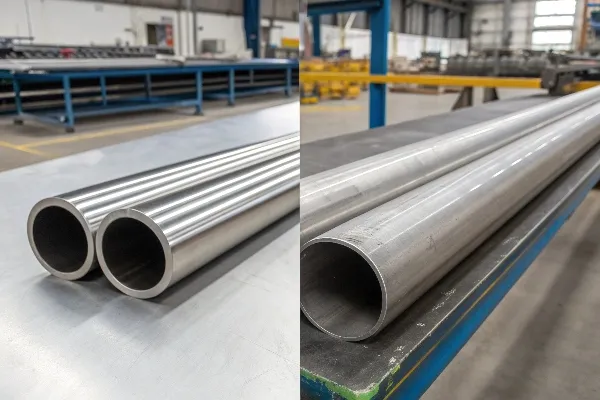
Tubo soldado frente a tubo sin soldadura
Buyers weld seamless pipe because real piping systems need connections. A single pipe length is rarely enough for a full project. Engineers need to connect pipe sections, elbows, tees, reducers, flanges, valves, and equipment nozzles.
For example, an engineering contractor may buy seamless steel pipe for a high pressure line, then weld it on site according to project drawings. An OEM manufacturer may cut seamless tubing into short lengths and weld it into a pressure component. A fabricator may weld seamless tube to a fitting for a custom machine.
As a professional stainless steel manufacturer and exporter based in China, we often support industrial distributors, steel wholesalers, and project contractors who need custom-cut pipe, beveling, packing, and export documentation. Clear welding requirements help us prepare the right material before delivery.
Seamless pipe should be welded with a qualified welding procedure. The exact method depends on the material grade, pipe wall thickness, diameter and wall thickness, working pressure, service temperature, and fluid type.
Common welding methods include TIG welding, MIG welding, SMAW, and automatic orbital welding. For stainless steel pipe, TIG welding is often used when buyers need clean joints, good corrosion resistance, and high-quality appearance. For thicker carbon steel pipe, other processes may be selected.
Before welding, the pipe ends are usually cut, beveled, cleaned, aligned, and tack welded. The welder then completes the root pass, fill pass, and cap pass. For some materials, preheating or post-weld heat treatment may be required. For some stainless steel applications, pickling and passivation may help restore corrosion resistance near the weld area.
Welding changes the local heat-affected zone around the joint. If welding is done poorly, it can reduce strength and integrity, create cracks, increase corrosion risk, or cause poor fit-up. But if welding is done correctly, seamless pipe can perform safely in demanding systems.
The weld quality depends on many details: clean pipe ends, correct filler metal, qualified welder, stable heat input, proper shielding gas, suitable inspection, and correct pressure test. This is why serious buyers should not only ask for pipe price. They should also ask for material certificate, chemical composition, mechanical properties, and applicable standards.
A good weld does not remove the value of seamless pipe. It creates a controlled joint in a system that still benefits from the resistance of seamless pipe body construction.
You should use seamless pipe when the application involves high-pressure, high-temperature service, critical safety, or strict project standards. Seamless steel pipe is often used in applications such as boiler pipes, hydraulic systems, refinery lines, heat exchangers, and oil and gas pipelines.
If the project document clearly says “seamless,” do not replace it with welded pipe without approval. In many engineering projects, pipe choice is tied to pressure rating, temperature, fluid medium, and code compliance.
Typical cases where buyers may choose seamless pipe include:
For these cases, seamless pipe gives buyers extra confidence because there is no original longitudinal seam in the pipe body.
Welded pipe is often better when the application does not need seamless performance and the buyer wants better cost control. The advantages of welded pipe include lower cost, good availability, stable size, and easier sourcing for larger diameters.
For structural frames, handrails, equipment guards, decorative projects, water systems, construction use, and many industrial and commercial applications, welded tubing may be the better choice. It can provide enough performance while helping distributors and contractors reduce material cost.
The use of welded pipe also makes sense when buyers need polished stainless steel tubing, rectangular steel tubing, tubo cuadrado, or large-diameter pipe. In these cases, welded tube production can be flexible and efficient.
Pipe standards help buyers reduce risk. ASTM A53 covers seamless and welded black and hot-dipped galvanized steel pipe in NPS 1/8 to NPS 26, and it allows pipe with other dimensions if other requirements are met.
ASME B31.3 is widely used for process piping. It provides engineering guidance for piping systems in process industries, including design, materials, fabrication, testing, and inspection topics. API also develops oil and gas industry standards, and API 5L is commonly referenced as a specification for line pipe used in pipeline transportation systems.
| Standard / Code | Common Relevance | Buyer Note |
|---|---|---|
| ASTM A53 | Seamless and welded steel pipe | Common for general pipe requirements |
| ASTM A106 | Seamless carbon steel pipe | Common for high-temperature service |
| API 5L | Line pipe | Common in pipeline transportation systems |
| ASME B31.3 | Process piping | Important for process plant piping design |
Before ordering, confirm whether your buyer needs ASTM, ASME, API, EN, DIN, JIS, or custom project standards. Never guess when a project has inspection requirements.
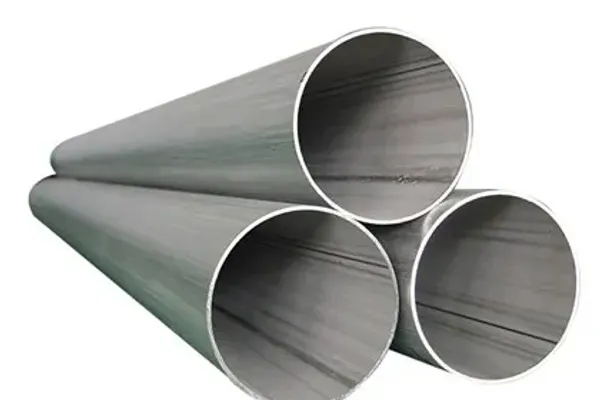
To source seamless pipe correctly, send a clear inquiry. A professional supplier can quote faster and more accurately when the buyer provides enough details.
Here is a simple inquiry checklist:
| Information Needed | Ejemplo |
|---|---|
| Product type | Seamless pipe, seamless tube, welded pipe, welded tube |
| Material | 304 stainless steel, 316L, carbon steel, duplex steel |
| Estándar | ASTM A106, ASTM A53, API 5L, ASME requirement |
| Size | Outside diameter, wall thickness, length |
| Cantidad | Meters, pieces, tons, container load |
| Superficie | Pickled, polished, black, bright, brushed |
| End finish | Plain end, beveled end, threaded end |
| Testing | Hydro test, UT, PMI, eddy current, third-party inspection |
| Aplicación | Boiler, structure, fluid, equipment, oil and gas |
| Documentos | MTC, packing list, invoice, CO, inspection report |
For importers, trading companies, and B2B buying offices, this saves time. It also helps avoid wrong material, wrong wall thickness, and wrong surface finish.
Pipe price matters. But price is not the whole story. A very cheap pipe can become expensive if it fails inspection, has poor tolerance, wrong grade, bad surface, or missing documents.
For bulk buyers, I suggest comparing suppliers by five points:
A reliable stainless steel supplier should help you choose welded or seamless pipe based on the real application, not only based on what is easiest to sell.
A construction fabricator may ask for seamless pipe because they believe seamless is always stronger. But if the pipe is only used for a low-pressure frame or support structure, welded steel pipe may meet the need and reduce cost.
On the other hand, a contractor working on a steam line, boiler system, or high-pressure chemical process may need seamless pipe. In that case, choosing welded pipe just to save money could create serious risk.
This is why we always ask about the working medium, temperature, pressure, standard, and end use. A short inquiry creates confusion. A clear inquiry creates a better quote.
Can seamless pipe be welded to welded pipe?
Yes. Seamless pipe can be welded to welded pipe if both materials, grades, dimensions, wall thickness, and welding procedures are compatible. The project engineer should confirm the welding procedure and inspection requirements.
Is seamless pipe stronger after welding?
The pipe body may still offer strong performance, but the welded joint depends on welding quality. A correct weld can be strong and reliable. A poor weld can become the weak point.
Does seamless pipe need special welding?
Sometimes yes. The welding method depends on material grade, wall thickness, service temperature, pressure, and code requirements. Stainless steel pipe may need careful shielding, cleaning, and passivation after welding.
Can seamless steel pipe be used for high-pressure systems?
Yes, seamless steel pipe is commonly used for high-pressure systems, but the final choice must match the standard, grade, pressure rating, and design code.
Is welded pipe always cheaper than seamless pipe?
In many cases, welded pipe is less expensive than seamless pipe. But the final price also depends on grade, size, wall thickness, surface finish, testing, and quantity.
How do I know whether I need welded or seamless pipe?
Check your project drawing, pressure, temperature, fluid type, standard, and inspection requirements. If you are not sure, send these details to your supplier for technical selection support.
Seamless pipe can be welded during fabrication, installation, and piping system assembly.
Seamless means the pipe body has no original longitudinal weld seam.
Welding seamless pipe requires the right procedure, filler material, preparation, and inspection.
Seamless pipe is often used for high-pressure, high-temperature, oil and gas, boiler, and critical applications.
Welded pipe is often more cost-effective for construction, structural, decorative, and general industrial use.
The best choice depends on pressure, temperature, fluid, wall thickness, standard, and budget.
For bulk orders, provide material grade, size, standard, quantity, surface finish, testing needs, and application.
A professional China stainless steel manufacturer and exporter can help you compare seamless and welded pipe before production, reducing sourcing risk and project cost.