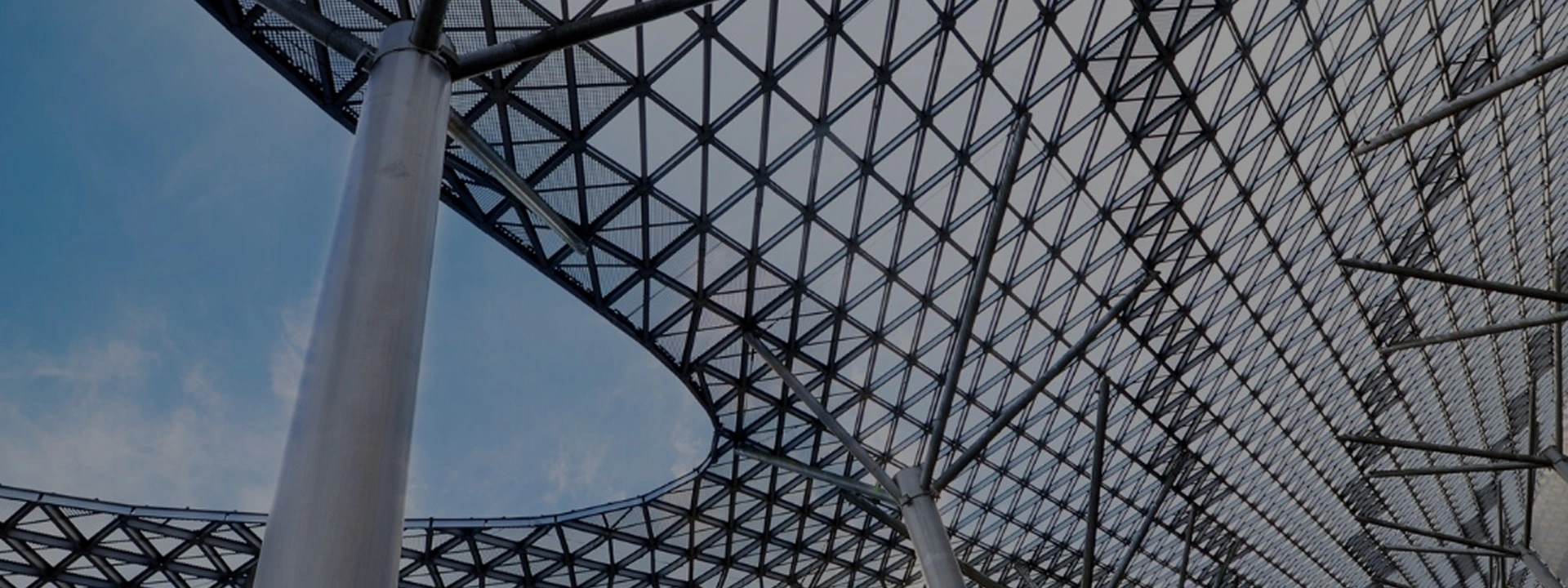

Jiuguang Metal recently completed the production and delivery of stainless steel stair and handrail components for an indoor and outdoor precinct project in Australia. The project covered multiple zones within the development, including interior staircase areas, outdoor walkway sections, public transition spaces, and guardrail-supported access points. As a result, the material selection, surface treatment, structural stability, and finish consistency of the stainless steel products all played an important role throughout the project.
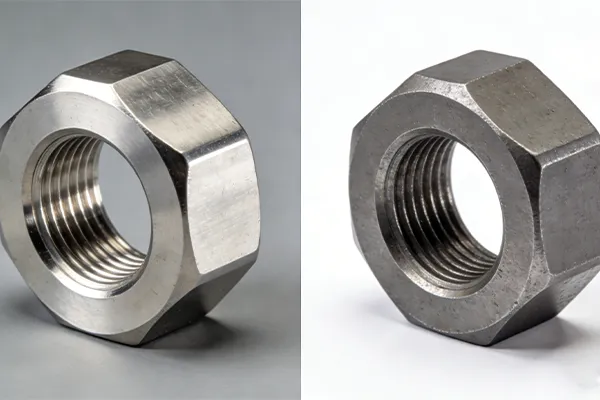
You can often identify stainless steel and mild steel by checking surface finish, rust behavior, magnet response, weight, spark test results, and material certificates. In simple terms, stainless steel contains at least 10.5% chromium, which forms a protective chromium oxide layer for corrosion resistance, while mild steel is a low-carbon carbon steel that rusts more easily in moisture.
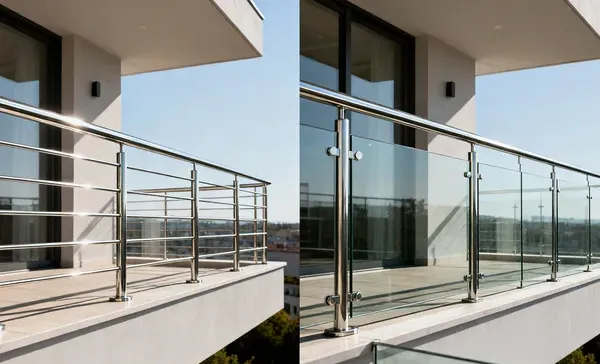
A balcony is a platform that projects from a building, while a balustrade is the protective barrier made of posts, rails, and often balusters placed along a balcony, staircase, terrace, or landing. A railing is a broader term for a safety barrier or handrail system. In short, a balcony is the space itself, and a balustrade or railing is what helps protect that space.
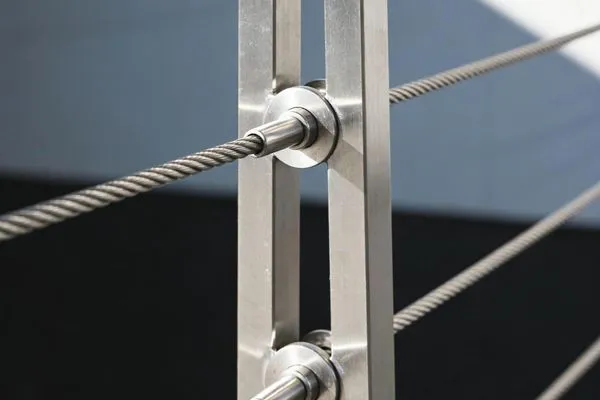
For most projects, the practical answer is that cable openings must be tight enough that a 4-inch sphere rule test is met, because guards generally cannot allow a 4-inch sphere to pass through. Since cable can flex, many manufacturers recommend spacing horizontal cable runs about 3 inches apart and using closer post support to control sag and cable deflection. Always confirm with the IRC, IBC, and your local building authority before installing.
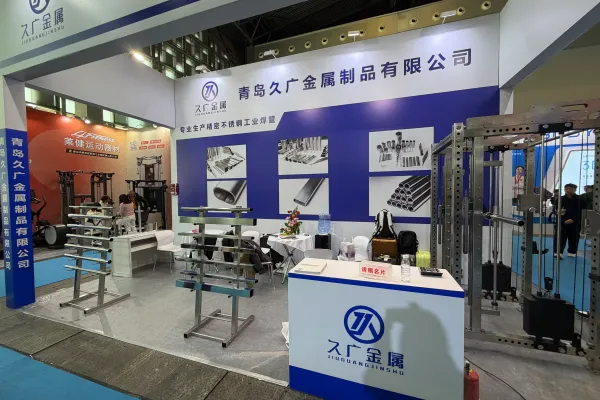
Explore how Jiuguang Metal showcased precision stainless steel welded tubes, custom profiles, and structural fabrication capabilities at the Shanghai International Fitness Expo.
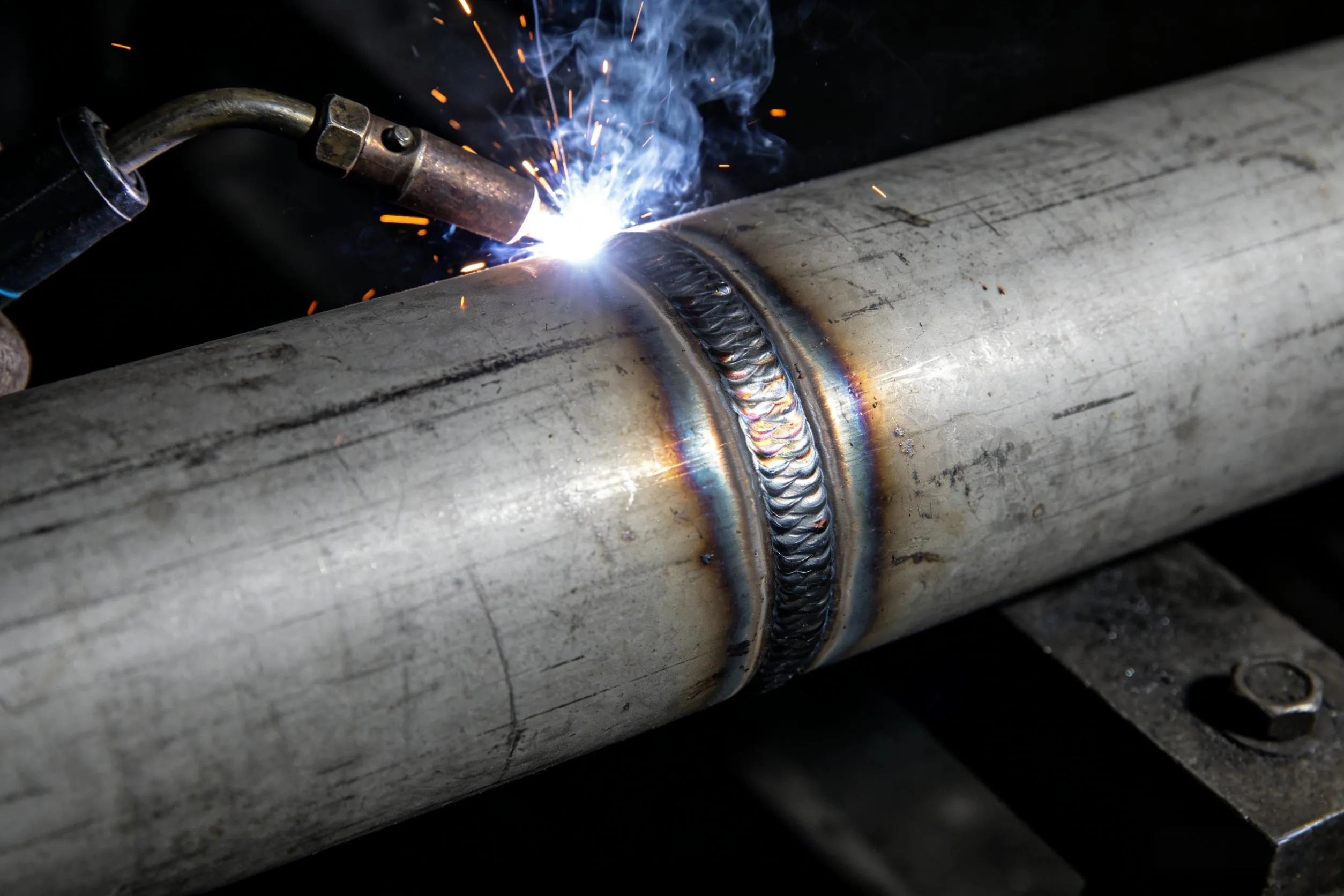
Yes, 316 stainless steel can be welded. In fact, 316 and 316L stainless steel are widely welded in tanks, piping, frames, marine parts, and process equipment. For most fabrication work, TIG welding, MIG welding, and even stick welding can all work. The key is proper heat control, correct filler metal, and smart post-weld cleaning to protect corrosion resistance, especially in corrosive environments.
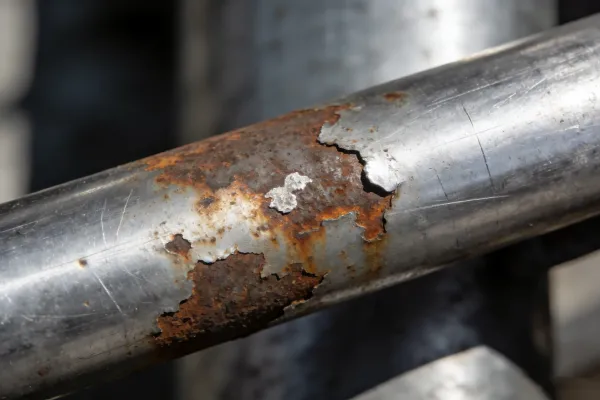
Buyers often assume stainless steels never fail. Then brown spots appear, a weld stains, or outdoor parts pit near the coast. That creates delays, claims, and extra cost. The good news is simple: when you understand grade selection, environment, and finishing, you can avoid most corrosion problems.
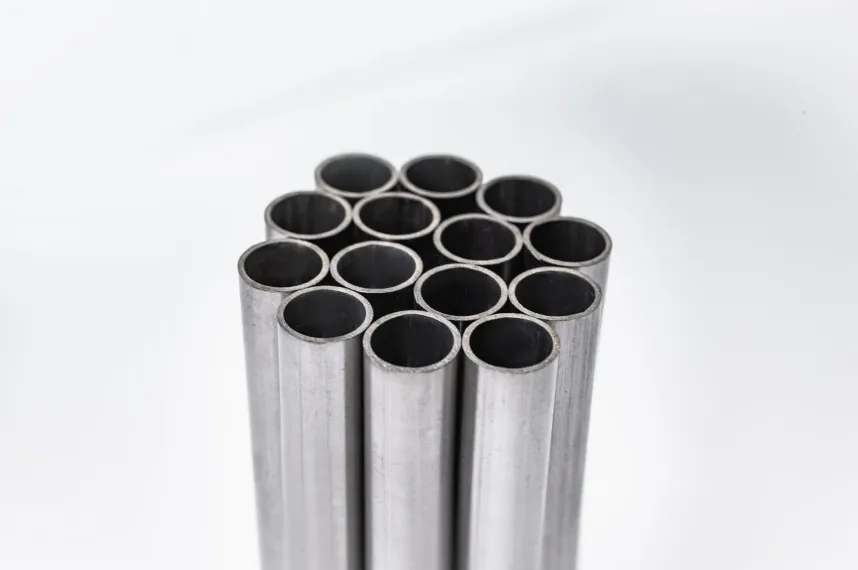
Wrong material calls cost money fast. A buyer orders the wrong tube, the wall fails a pressure test, fabrication slows down, and delivery slips. The fix is simple: understand the two basic types of tubing, how they are made, and where each one performs best.
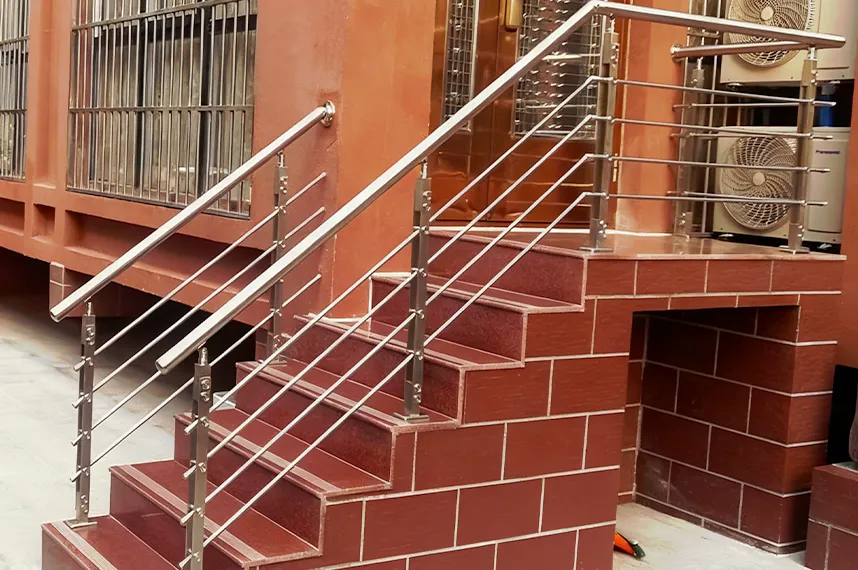
Izbor rukohvata zvuči jednostavno—sve dok se ne pojave mrlje od hrđe, izvođač radova ne požali na probleme pri zavarivanju ili inspektor ne ukaže na visinu zaštitne ograde. To je skupo. I iritantno. Rješenje je jednostavno: uskladite vrstu čelika s okolinom, dizajn sistema rukohvata i osnovnim propisima.
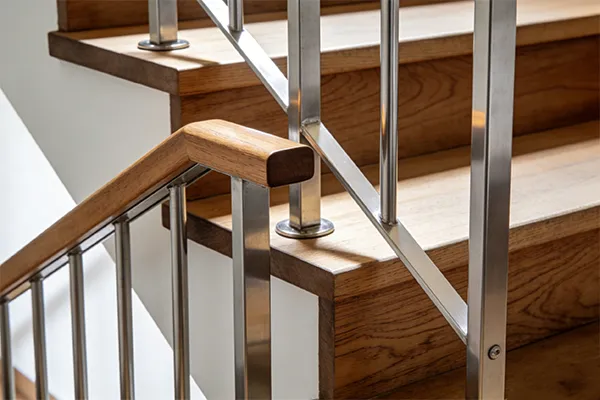
Izbor rukohvata za stepenice može se činiti jednostavnim—sve dok ne shvatite da pogrešan rukohvat može izgledati neobično, ne zadovoljiti građevinske propise ili biti nestabilan dok se penjete stepenicama. Taj stres se brzo gomila. Pokazat ću vam jasan i siguran način odabira pravog rukohvata za stepenice—tako da dobijete čvrst i estetski privlačan rezultat bez nagađanja.
šta je šta