Poor material choices often lead to rust, frequent maintenance, and costly replacements. Many contractors and distributors struggle to decide which stainless steel works best for a railing project. The solution is simple: selecting the right stainless steel grade ensures durability, safety, and long-term value.
The best stainless steel for a stair railing depends on the environment and application. Grade 304 stainless steel is ideal for most indoor and general projects, while 316 stainless steel provides higher corrosion resistance for coastal or harsh outdoor conditions. Choosing the correct material ensures strength, appearance, and low maintenance over decades.
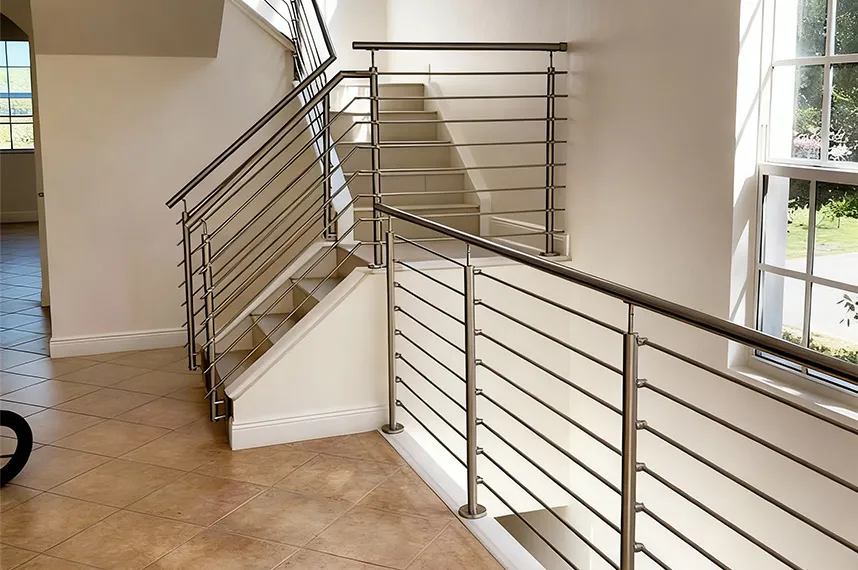
Stair Hand Railing
Why stainless steel is widely used for railing systems today
What is stainless steel and why is it ideal for stair railing?
Grade 304 vs Grade 316 — what’s the difference?
When should you choose 304 stainless steel?
Why 316 stainless steel performs better in harsh environments
How corrosion resistance affects railing lifespan
Stainless steel vs carbon steel vs aluminum railings
Selecting the right stainless steel railing system for your project
Fabrication and welding considerations for stainless steel handrails
Why working with a professional stainless steel manufacturer matters
Across modern architecture, stainless steel has become the preferred material for almost every railing application. From shopping malls to public infrastructure, engineers increasingly rely on stainless steel because it combines durability with a clean visual design.
Compared with traditional metal railings, stainless steel performs better against daily wear and tear. Builders working on residential and commercial projects value materials that remain strong while maintaining a modern appearance.
As a professional stainless steel manufacturer and exporter based in China, we work closely with industrial distributors, engineering contractors, and trading companies. Many buyers choose stainless steel because steel is much stronger than alternatives and requires less maintenance throughout its lifecycle.
Key advantages include:
Excellent corrosion resistance
Long service life
Modern railing aesthetics
Reliable bulk supply availability
Suitable for indoors and outdoors
This explains why stainless steel is often used in airports, hospitals, and transportation hubs worldwide.
Stainless steel is an iron-based alloy that includes chromium and nickel, forming a protective layer that prevents oxidation. This natural barrier makes the material highly resistant to rust.
Unlike ordinary carbon steel, stainless steel protects itself without heavy coatings. The chromium reacts with oxygen to create a passive surface layer that reduces rust and corrosion.
For a stair or balcony handrail, safety is critical. Stainless steel offers:
High strength and toughness
Smooth hygienic surface
Easy cleaning using soap and water
Reliable structural performance
Many designers prefer stainless steel because it eliminates the need for repainting or powder coating, while still delivering strong aesthetic appeal.
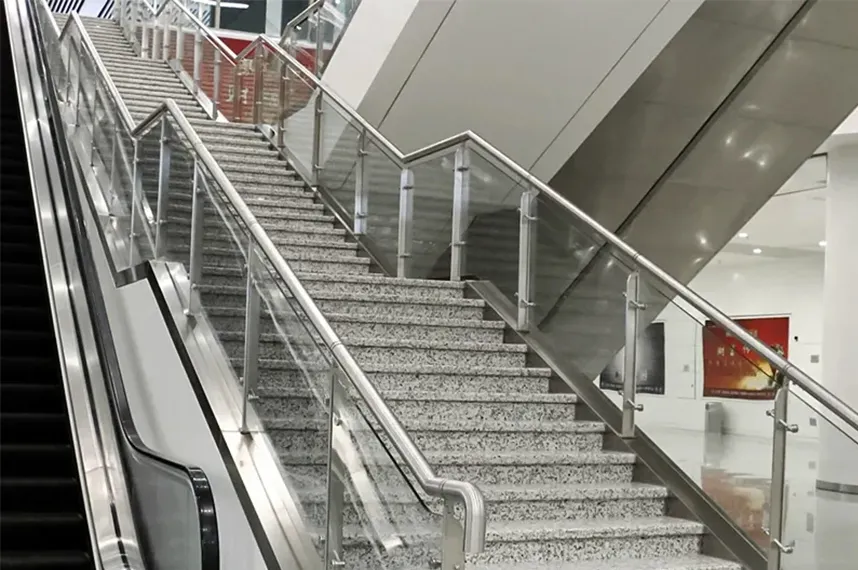
Stainless Steel Handrail for Stairs
Understanding the grade of stainless steel helps buyers avoid costly mistakes.
| Property | Grade 304 Stainless Steel | Grade 316 Stainless Steel |
|---|---|---|
| Composition | Chromium + Nickel (“18-8”) | Chromium + Nickel + Molybdenum |
| Corrosion Resistance | Excellent | Superior |
| Cost | Moderate | Higher |
| Typical Use | Indoor & mild outdoor | Marine & chemical areas |
304 stainless steel, also known as 304 stainless or grade 304 stainless steel, is the most common type of stainless steel used globally. It provides excellent resistance to corrosion at a competitive price.
316 stainless steel includes molybdenum, which improves protection in corrosive environments such as areas exposed to salt water or chemicals. This reduces risks like crevice corrosion or surface pit damage.
In simple terms:
Use 304 grade for standard environments.
Use grade 316 for aggressive environments.
For many building applications, 304 stainless steel remains the popular choice.
It works exceptionally well for indoor use, office buildings, apartments, and commercial interiors where moisture exposure is limited. Contractors frequently use 304 because it balances performance and affordability.
Benefits of 304 stainless include:
Easy to weld and fabricate
Stable supply for wholesalers
Attractive polished finish
Cost efficiency for bulk orders
Although stainless costs more than carbon steel, lifecycle savings are significant due to low maintenance requirements.
For distributors and OEM manufacturers, 304 provides a reliable material that meets most structural standards without unnecessary expense.
Projects exposed to extreme environments require stronger protection.
316 stainless steel performs better in outdoor applications, especially near the coast, swimming pools, or chemical processing sites where materials may chlorinate.
Because this stainless steel grade contains molybdenum, it provides enhanced protection against:
Marine atmospheres
Chemical exposure
Humid climates
Industrial pollution
Although it costs more upfront, it prevents long-term failures caused by corrosion. For infrastructure developers, this makes it often the best for your project when durability is critical.
The biggest threat to any railing structure is moisture-driven degradation.
When exposed metals begin to oxidize, rust forms and gradually weakens structural strength. Over time, rust and corrosion can compromise safety.
A properly designed stainless steel railing remains corrosion-resistant, even under harsh weather conditions.
Why stainless steel lasts longer:
Chromium oxide self-healing surface
Strong resistance to corrosion
Reduced maintenance cycles
This makes steel for railings made from stainless steel a long-term investment.

316 Stainless Steel
Buyers often compare various types of steel and alternative materials.
| Material | Strength | Maintenance | Lifespan |
|---|---|---|---|
| Stainless Steel | Excellent | Low | Long |
| Carbon Steel | High | High | Medium |
| Aluminum Railings | Medium | Low | Medium |
While aluminum railings are lightweight, they lack the same structural capacity. Carbon steel requires coatings and ongoing maintenance.
Even though stainless costs more than carbon steel, it becomes economical over time because of its low-maintenance performance.
In many applications, steel is the best long-term material choice.
When selecting the right material, buyers should evaluate environment, budget, and structural needs.
Checklist for choosing:
Indoor or outdoor location
Exposure to moisture or chemicals
Design expectations
Installation requirements
A stainless steel railing system is easier than carbon steel systems because finishing processes are simplified.
As exporters serving global B2B buyers, we regularly assist clients in choosing the correct type of material for large infrastructure and OEM production projects.
Manufacturing quality greatly affects performance.
Proper weld procedures maintain material integrity and prevent localized corrosion. Poor fabrication can damage protective layers and shorten lifespan.
Best practices include:
Controlled welding temperatures
Surface polishing and passivation
Clean fabrication environments
A polished stainless steel handrail creates a modern railing appearance while remaining easy to maintain.
Material consistency is essential for distributors and engineering contractors.
As a Chinese stainless steel manufacturer and exporter, we supply bulk stainless steel products tailored for:
Industrial distributors and steel wholesalers
Engineering contractors needing custom cuts
OEM/ODM product manufacturers
Construction and infrastructure developers
Importers and global sourcing offices
Reliable sourcing ensures chemical composition accuracy, stable delivery timelines, and consistent performance — helping buyers secure the right stainless steel for demanding projects.
Many clients find that a precision-made steel railing system is easier to install and maintain compared with alternatives.
Which stainless steel is best for stair railing?
304 stainless steel suits most environments, while 316 stainless steel is recommended for coastal or chemical exposure areas.
Is 304 stainless steel suitable for outdoor railing?
Yes, in mild climates. For marine environments, grade 316 offers better protection.
Why does stainless steel resist rust?
The chromium content forms a protective oxide layer that prevents oxidation.
Does stainless steel require maintenance?
Minimal cleaning with soap and water usually maintains performance and appearance.
Is stainless steel more expensive than carbon steel?
Initially yes, but long-term costs are lower due to durability and reduced maintenance.
Can stainless steel railings be customized?
Yes. Manufacturers can provide custom sizes, finishes, and fabrication for OEM applications.
304 stainless steel is ideal for most indoor and standard railing projects.
316 stainless steel performs best in coastal and corrosive environments.
Stainless steel offers durability, strength, and modern appearance.
Proper grade selection prevents rust and extends service life.
Stainless steel requires low maintenance compared with carbon steel.
Professional manufacturers ensure consistent quality and reliable supply.
Choosing the right material and supplier determines project success.
If you are planning a railing or infrastructure project and need bulk stainless steel supply, custom fabrication, or OEM solutions, feel free to contact us. We help global partners source high-quality stainless steel with stable pricing and dependable delivery.
How to Clean a Stainless Steel Wire Balustrade: Essential Maintenance Tips for Long-Lasting Cable Railings
Which Stainless Steel Is Best for Stair Railing? Choosing the Right 304 or 316 Stainless Steel Railing System
Seamless vs Non-Seamless: What’s the Difference (and Which One Should You Choose)?
How to Calculate Tube Wall Thickness (ASME Tube Calculator Guide for Minimum Required Wall Thickness)