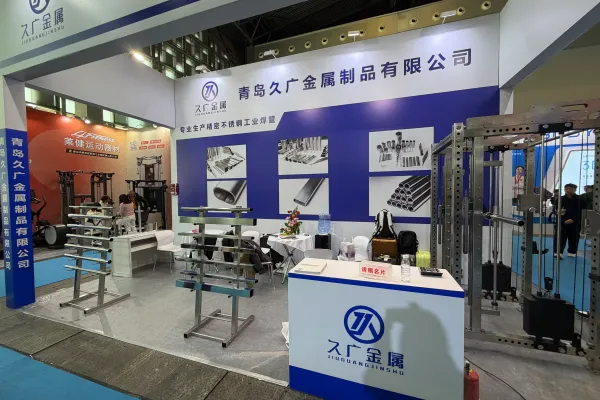
Explore how Jiuguang Metal showcased precision stainless steel welded tubes, custom profiles, and structural fabrication capabilities at the Shanghai International Fitness Expo.
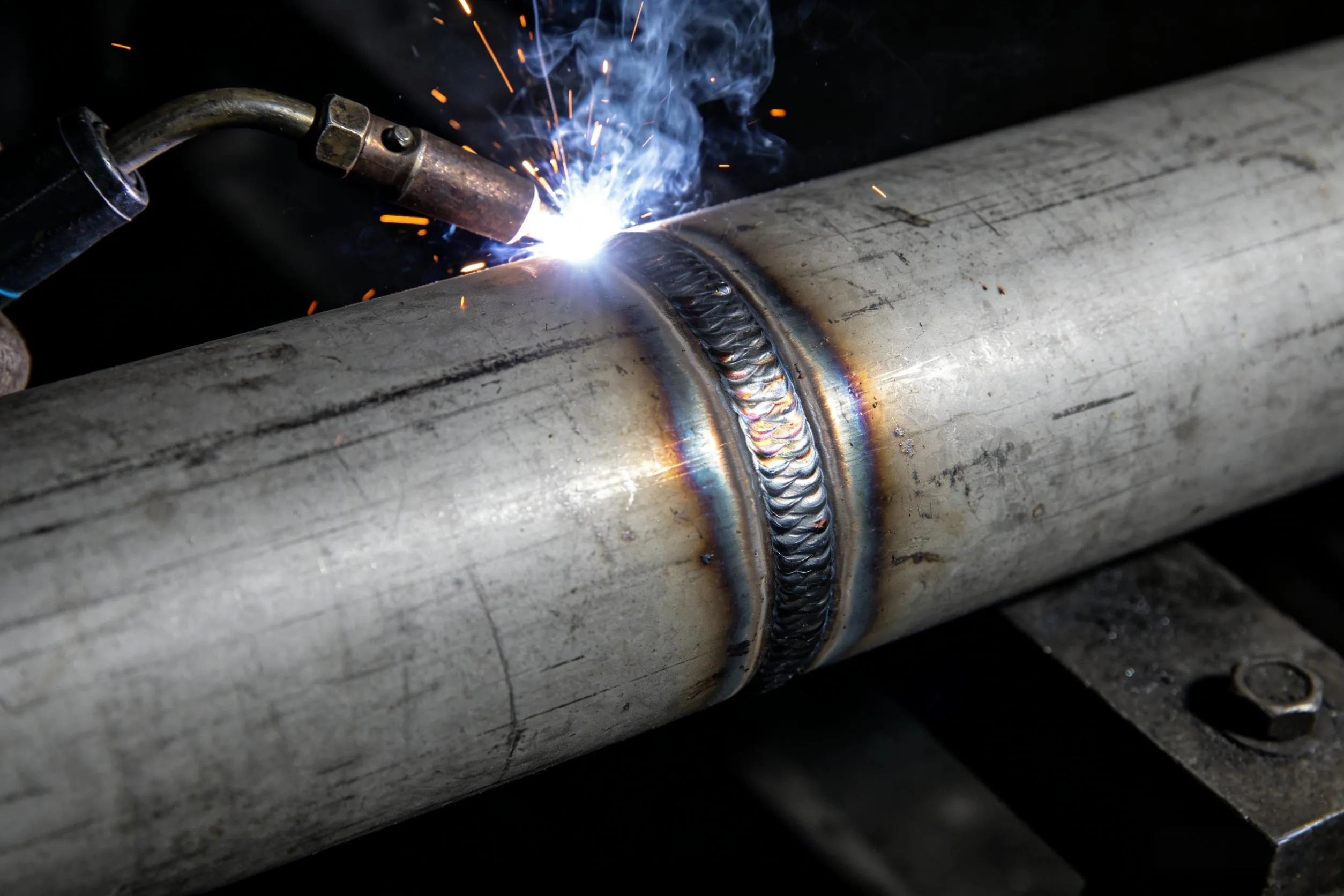
Yes, 316 stainless steel can be welded. In fact, 316 and 316L stainless steel are widely welded in tanks, piping, frames, marine parts, and process equipment. For most fabrication work, TIG welding, MIG welding, and even stick welding can all work. The key is proper heat control, correct filler metal, and smart post-weld cleaning to protect corrosion resistance, especially in corrosive environments.
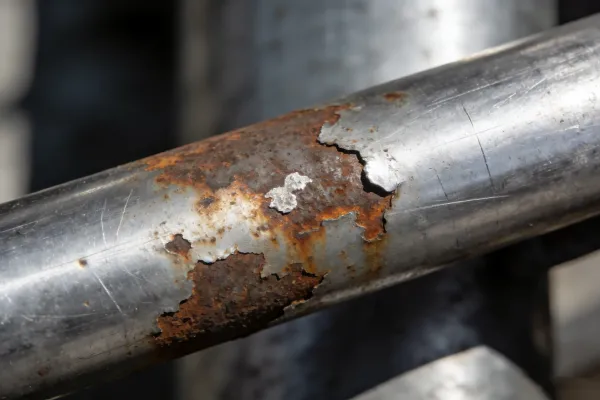
Buyers often assume stainless steels never fail. Then brown spots appear, a weld stains, or outdoor parts pit near the coast. That creates delays, claims, and extra cost. The good news is simple: when you understand grade selection, environment, and finishing, you can avoid most corrosion problems.
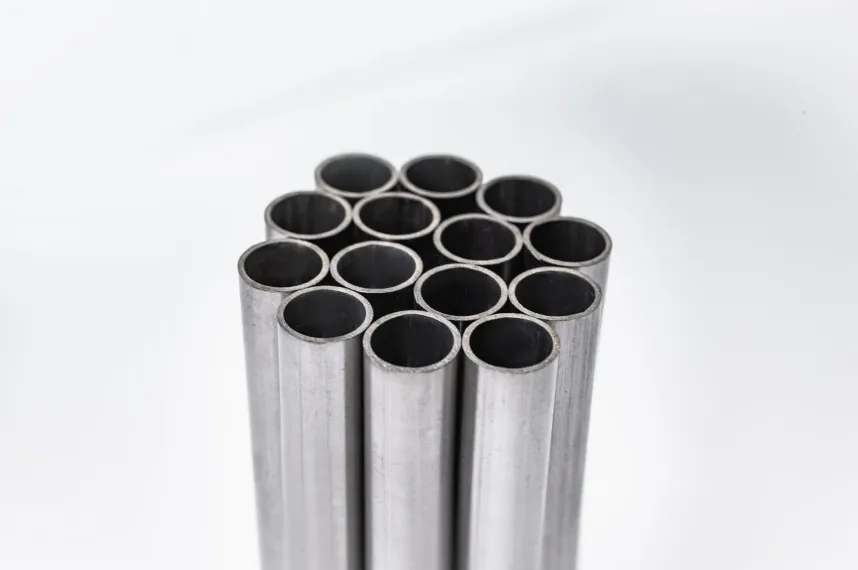
בחירה לא נכונה של חומר עולה כסף רב. קונה מזמין צינור לא נכון, הקיר נכשל במבחן לחץ, הייצור מתעכב והמשלוח מתעכב. הפתרון פשוט: להבין את שני הסוגים הבסיסיים של צינורות, כיצד הם מיוצרים והיכן כל אחד מהם מתפקד בצורה הטובה ביותר.
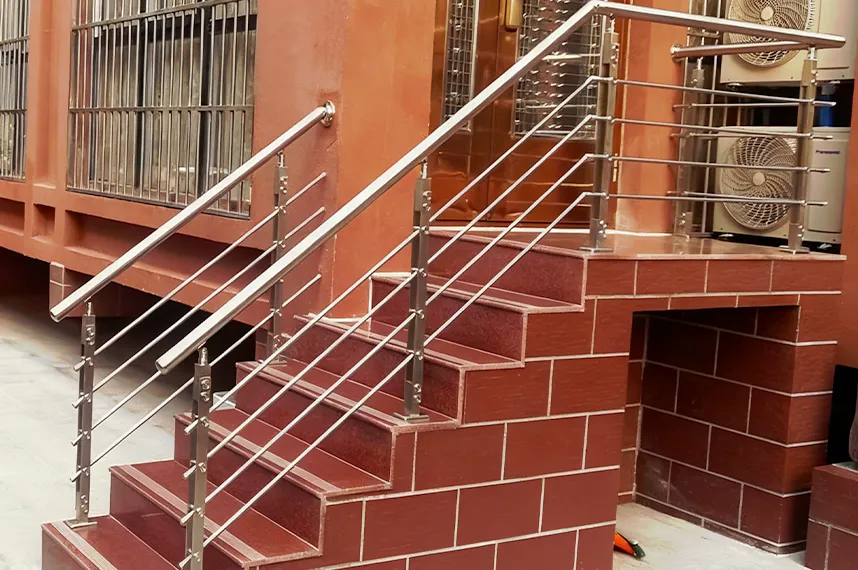
בחירת מעקה נשמעת כמו משימה קלה – עד שנוצרים כתמי חלודה, קבלן מתלונן על בעיות ריתוך או שהמפקח מעיר על גובה המעקה. זה יקר. ומרגיז. הפתרון פשוט: התאימו את סוג הפלדה לסביבה, לעיצוב מערכת המעקה ולדרישות הבסיסיות של התקן.
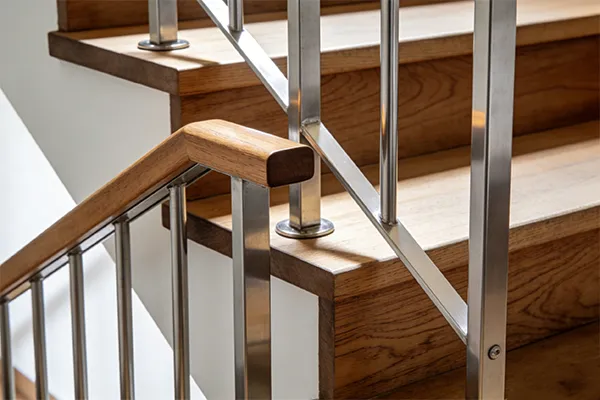
בחירת מעקה למדרגות עשויה להיראות פשוטה – עד שמבינים שמעקה לא מתאים עלול להיראות לא טוב, לא לעמוד בתקני הבנייה או להרגיש לא יציב כשעולים במדרגות. הלחץ הזה מצטבר במהירות. אראה לכם דרך ברורה ובטוחה לבחור את המעקה הנכון למדרגות – כך שתקבלו תוצאה חזקה ויפה ללא ניחושים.
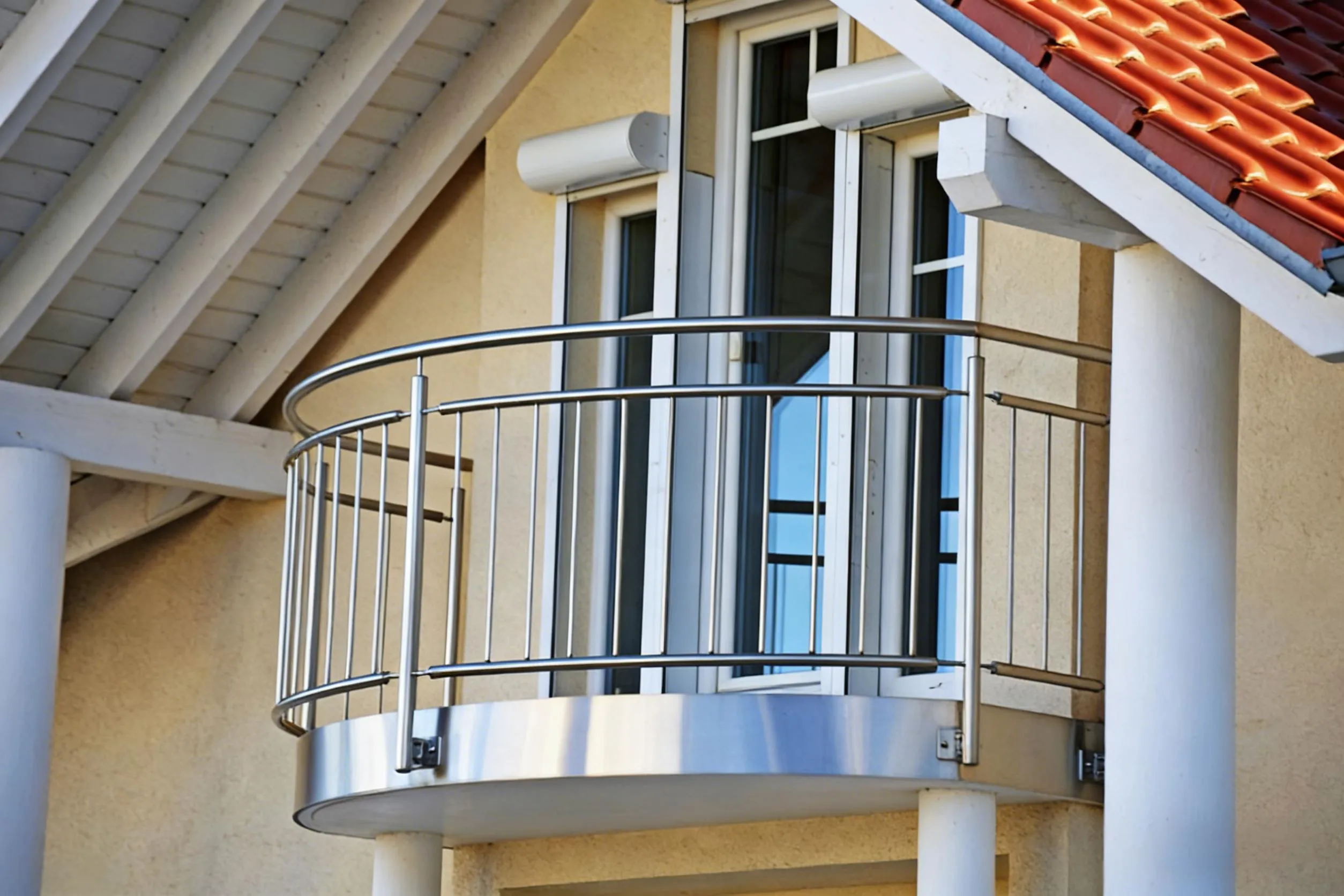
מרפסת נראית נהדר – עד שהמעקה מתחיל להכתים, להישחק או להתרופף. אז מתחילות התלונות, התיקונים והסיכונים הבטיחותיים. זה מתסכל ויקר. הפתרון הוא לבחור את סוג הפלדה והגימור המתאימים לאקלים שלכם, ואז לבנות מערכת מעקות שהמתקינים יוכלו להרכיב נכון כבר בניסיון הראשון.
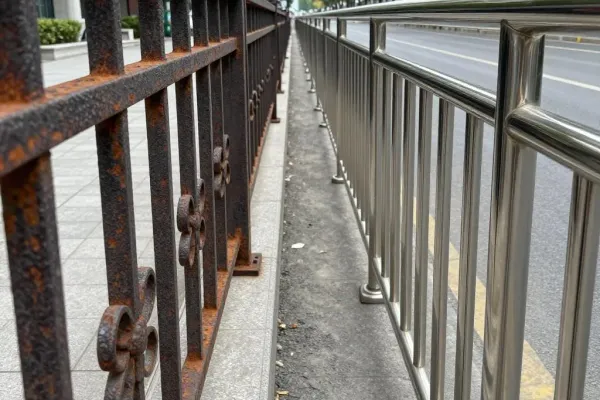
מעקה חלש הוא לא רק מטרד לעין — הוא גם סיכון בטיחותי ובזבוז כספי. כאשר החלודה מופיעה בשלב מוקדם או שהגימור מתקלף, אתם משלמים פעמיים: פעם אחת על הבנייה ופעם נוספת על התיקון. הפתרון הוא לבחור את המתכת הנכונה ואת מערכת ההגנה הנכונה מהיום הראשון.
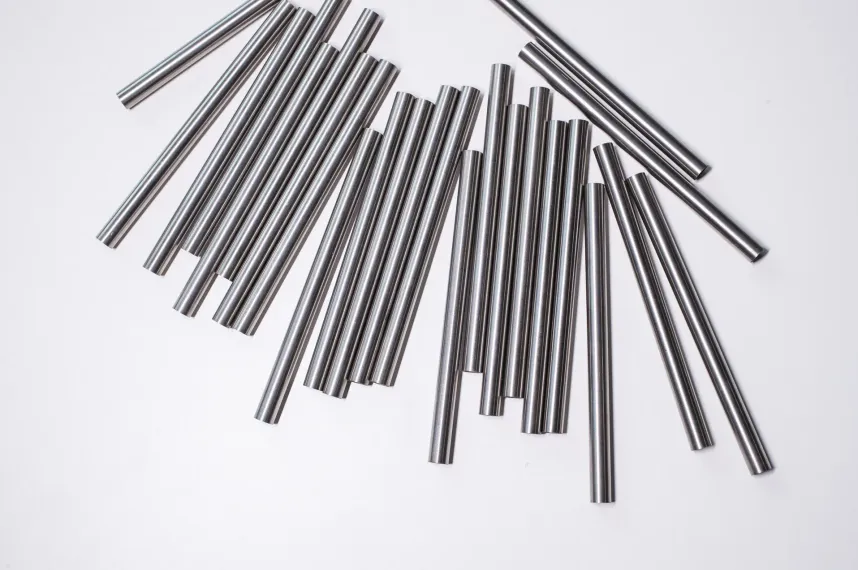
You keep hearing “seamless” is better, but suppliers use the word in different ways—pipes, gutters, even fabric. A small seam can become a weak spot, a leak point, or a cost surprise when the job site demands reliability. I’ll break down the real difference between seamless and non-seamless, show where each wins, and share a fast, buyer-friendly checklist we use as a China-based stainless steel manufacturer and exporter.The difference between seamless and non-seamless is simple: seamless products are made without seams, while non-seamless (welded or sectional) products have a seam created by joining material. In pipes, a seamless pipe has no weld seam and is often chosen for high pressure and high-temperature service. In gutters, a seamless gutter is made from a single piece along a roofline to reduce leak risk, while sectional gutters use joints that may leak over time.
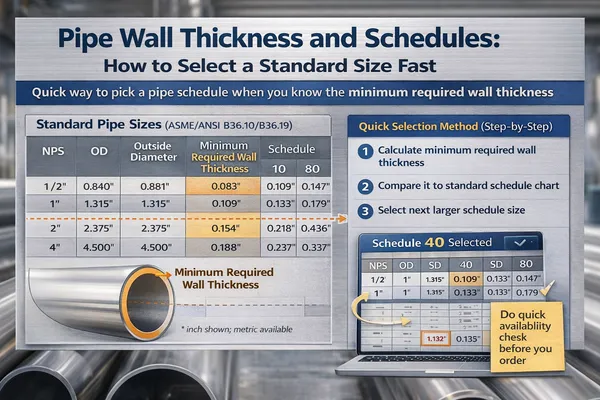
If you choose the wrong thickness, you don’t just “waste steel.” You risk leaks, rework, failed inspections, or a pipe that can’t handle pressure. That’s expensive—and stressful. In this guide, I’ll show a simple, engineer-friendly way to calculate and determine the minimum required wall thickness and then select a real-world size you can buy and fabricate.
ווטסאפ