Outdoor projects fail faster when buyers choose the wrong material. A product may look strong on day one, then stain, pit, or lose performance after rain, salt, or pollution exposure. The solution is simple: choose the right stainless steel grade for the real environment, not just the lowest price.
Yes, stainless steel can last outside for many years, but it is not completely immune to rust or corrosion. Outdoor performance depends on the grade of stainless steel, surface finish, maintenance, and whether the environment contains moisture, pollution, or chloride from salt air or chemicals.
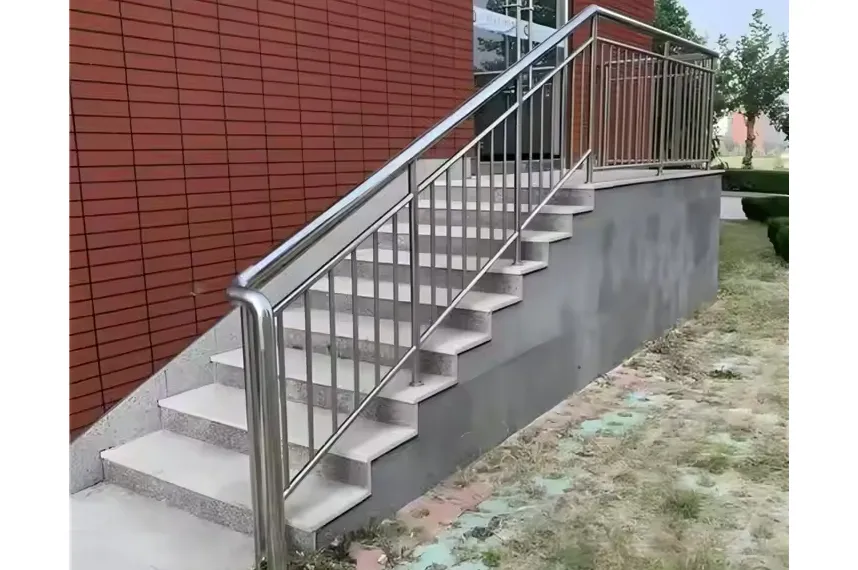
Why can stainless steel last outside?
Does stainless steel rust when left outside?
What makes 304 stainless steel suitable for outdoor environments?
When should you use 316 stainless steel instead of 304?
What causes stainless steel rust and corrosion outdoors?
How do surface finish and coating affect outdoor lifespan?
Is stainless steel hardware safe for outdoor furniture, railing, and fittings?
What outdoor environments are most aggressive for stainless steel?
How can you reduce the risk of rust and corrosion?
How do you choose the right grade of stainless steel for your project?
The reason stainless steel performs well outdoors is its chemistry. Unlike ordinary steel or mild steel, stainless steel contains enough chromium to form a thin oxide layer on the surface. This invisible layer acts as a protective layer against moisture and oxygen.
That surface film is often called the passive film. When it stays stable, it helps the metal resist staining and environmental attack. This is why many outdoor structures, panels, fasteners, and architectural parts are made out of stainless steel instead of painted carbon materials.
But good outdoor performance does not mean zero risk. Even though stainless steel is more corrosion-resistant, the real result depends on alloy composition, surface condition, and exposure level. In some cases, stainless steel can corrode if the environment is too aggressive or maintenance is ignored.
Yes, it can. Many buyers assume “stainless” means “never rusts,” but that is not fully true. Though stainless steel is much more resistant than carbon steel, it can still show surface staining, tea staining, or deeper attack in harsh conditions.
The question is not whether stainless steel rust is possible. The real question is how likely it is in a given application. In clean inland conditions, a good grade may last for years with little visible change. In coastal areas, polluted industrial zones, or locations with trapped moisture, the risk of rust becomes higher.
So if a customer asks whether stainless steel can be left outside, the honest answer is yes—but only when you choose the right material, finish, and maintenance plan for the environment.
Rostfreier Stahl 304 is the most common austenitic stainless grade used in general outdoor fabrication. It offers a strong balance of cost, formability, appearance, and corrosion resistance for many inland or low-pollution projects.
For standard architectural trim, brackets, fasteners, kitchen equipment, and many decorative items, use 304 when the environment is relatively mild. It performs well in many outdoor environments where there is no heavy salt exposure and no constant chemical contamination.
That said, 304 is not ideal for every site. It has good general resistance because of its chromium and nickel content, but it does not contain molybdenum, which limits its resistance in salt-heavy conditions. That is where material selection becomes more important than simple price comparison.
Common uses of 304 outdoors
Verwenden Sie Edelstahl 316 when the environment is more aggressive, especially in marine environment applications or any area with regular salt exposure. The key difference is molybdenum, which improves resistance to pitting corrosion and localized attack.
This is why 316 stainless is often called marine-grade. In salt water, salt spray, or warm water service, use 316 rather than 304 when reliability matters. It is also a strong option for chemical plants, food zones with harsh cleaning, and locations with environments that contain chlorides.
There is also 316L, a lower carbon content version often preferred where welding is involved. If your project includes a weld zone and corrosion performance matters, 316L may help reduce certain risks after fabrication.
Simple 304 vs 316 guide
| Klasse | Am besten für | Hauptvorteil |
|---|---|---|
| 304 | Inland outdoor use | Lower cost, good general resistance |
| Edelstahl 316 | Marine or chloride exposure | Better pitting and crevice resistance |
| 316l | Welded marine/chemical applications | Better welded corrosion behavior |
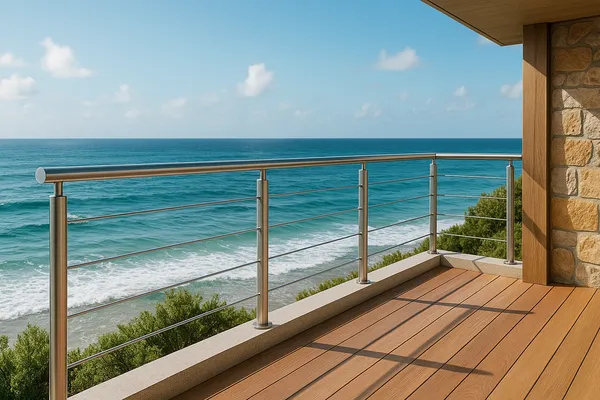
Geländer aus 316er Edelstahl auf einem Küstenbalkon
Outdoor failure usually comes from the environment, not from magic or bad luck. The biggest triggers are moisture, salt, pollutants, trapped dirt, and poor design details. When the oxide film is damaged or overwhelmed, the surface becomes more vulnerable.
In many cases, the problem starts with crevice areas. Water and dirt sit in gaps around fasteners, under seals, or between joined surfaces. This can lead to crevice corrosion because oxygen levels inside the gap drop while contaminants build up. Another common issue is pit attack, where tiny localized holes form on the surface.
Surface contamination can also matter. If iron particles from tooling or other steel touch the surface and are not removed, they may form iron oxide and make it look like the stainless itself is failing. That is why proper fabrication and stainless steel cleaning are important.
Surface finish matters more than many buyers expect. A smoother, well-finished surface sheds water and dirt more easily, which helps reduce the chance of staining and general corrosion. Rough finishes can trap contaminants and make cleaning harder.
Some applications use a coating or protective coatings to improve service life further. This is not always necessary, but in highly corrosive locations it can be a useful extra barrier. Good polishing can also improve appearance and help the metal resist deposit buildup.
In short, durability is not only about grade. It is also about finish quality, fabrication practice, and maintenance. A better-finished 304 part may outperform a poorly processed 316 part in some real-world installations.
Yes, in most cases it is. Stainless steel hardware is widely used for gates, handrails, hinges, anchors, clamps, screws, and decorative fittings because it combines strength with appearance. But the correct grade still matters.
For inland architectural use, 304 is often enough. For coastal decks, harbors, or humid salt-heavy sites, 316 is the safer choice. The same rule applies to fitting systems and exposed railing details. If the component will hold water, trap dirt, or sit near splashing salts, grade selection becomes even more important.
This is especially relevant for outdoor furniture and public works. Buyers in construction and infrastructure development want low maintenance and long service life. That is why a professional Chinese supplier should always ask about environment before quoting the cheapest option.
The most aggressive settings are those with salt, trapped moisture, chemicals, or pollution. A marine environment is one of the hardest because airborne salt carries chloride, which can attack the passive surface and cause pitting corrosion.
Industrial environments can also be tough. Airborne chemicals, acidic deposits, and washdown conditions may damage the surface over time. Some cleaning products containing ammonia or chlorides can also be a problem if residues stay on the metal.
Even a mild-looking place can become risky if the design traps moisture. Water held in joints, contact points, or shaded zones may create a local electrolyte and increase the chance of attack. So not all exposure is obvious. Sometimes the real issue is detail design plus dirt plus standing water.
Highest-risk locations
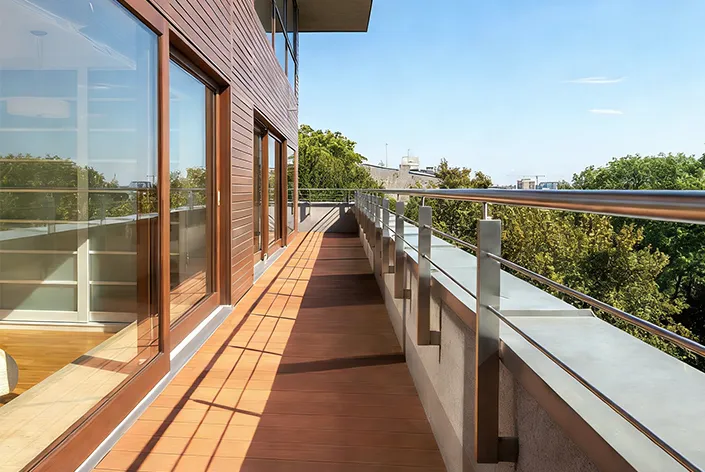
Balkongeländer für Wohngebäude
Start with grade selection. If the environment is mild, 304 may be fine. If salts or chlorides are present, move to 316. This is the first and most important step to reducing rust and corrosion risk.
Next, improve the design. Avoid water traps, reduce hidden crevice zones, and separate dissimilar metals when possible to reduce galvanic corrosion. If stainless is connected to another active metal in the presence of moisture, a galvanic cell may form and damage the weaker side of the joint.
Finally, keep the surface clean. Dirt and deposits hold moisture. Regular washing, especially in coastal or polluted areas, lowers the chance of staining. Simple cleaning often makes a big difference in how long stainless steel outdoor components stay bright and functional.
Practical protection tips
The best grade is not always the most expensive one. It is the one that matches the real service condition. Start by asking where the product will be installed. Is it inland or coastal? Will it contact chemicals, splashing water, or salt-laden air?
Then think about the product itself. Is it decorative cladding, load-bearing hardware, or a hygiene-critical component? Different stainless steel applications demand different performance levels. A simple trim part does not face the same risk as a structural fixing or exposed marine fitting.
As a professional stainless steel manufacturer and exporter based in China, we always look at environment, finish, fabrication method, and customer budget together. That helps industrial distributors, fabricators, OEM buyers, and project contractors make a smarter selection instead of only chasing the lowest material price.
Grades of Stainless Steel at a Glance
| Material | Outdoor suitability | Anmerkungen |
|---|---|---|
| Rostfreier Stahl 304 | Good in mild inland areas | Best value for general outdoor use |
| Edelstahl 316 | Better in marine and chloride zones | Stronger localized corrosion resistance |
| Ferritic stainless steel | Depends on grade and use | Can be useful, but not a universal replacement |
| Martensitic Noten | Limited for decorative outdoor use | Higher hardness, generally lower corrosion resistance |
| Kohlenstoffstahl / Baustahl | Poor without strong protection | Needs paint, coating, or other barrier |
Does stainless steel rust outside?
Yes, it can. Stainless steel resists attack much better than ordinary carbon materials, but it may still show rust or staining in harsh environments or with poor maintenance.
Is 304 stainless steel okay for outdoor use?
Yes, 304 stainless steel is often suitable for inland outdoor use, general hardware, and decorative applications where chloride exposure is low.
Should I use 304 or 316 outside?
Use 304 for mild conditions. Use 316 for marine, coastal, or chloride-rich locations where stronger resistance is needed.
Why does stainless steel rust near the ocean?
Sea air contains salt and chloride, which can damage the passive surface and increase the chance of pitting or crevice attack.
Is stainless steel better than ordinary steel outdoors?
Yes. Compared with ordinary steel, stainless is much more corrosion resistant and usually lasts longer with less maintenance.
Does polished stainless steel last longer outside?
Often yes. A smoother polished finish is easier to clean and less likely to hold moisture and dirt, which helps protect the surface.
Stainless steel can last outside for many years, but it is not immune to corrosion.
304 works well for many mild inland outdoor uses.
316 is the better choice in marine and chloride-rich environments.
Surface finish, cleaning, and design details affect service life.
Water traps and crevice zones increase failure risk.
Good grade selection reduces the chance of stainless steel rust.
Stainless is usually a better outdoor choice than carbon steel.
The best result comes from matching alloy, finish, and environment.
Buyers should ask about exposure, not just price.
A reliable supplier helps you choose the right grade for real service conditions.
A Manufacturer of Stainless Steel Guardrails
Stainless Steel Square Tube For Power Rack:70*70*3/75*75*3 And Other Specifications
Stainless Steel Square Tube Guide: 304 & 316 Stainless Square Pipe for Structural and Industrial Projects
Stainless Steel Railing Guide: Handrail, Rail, Cable, and 316 Stainless Steel Railing System Components