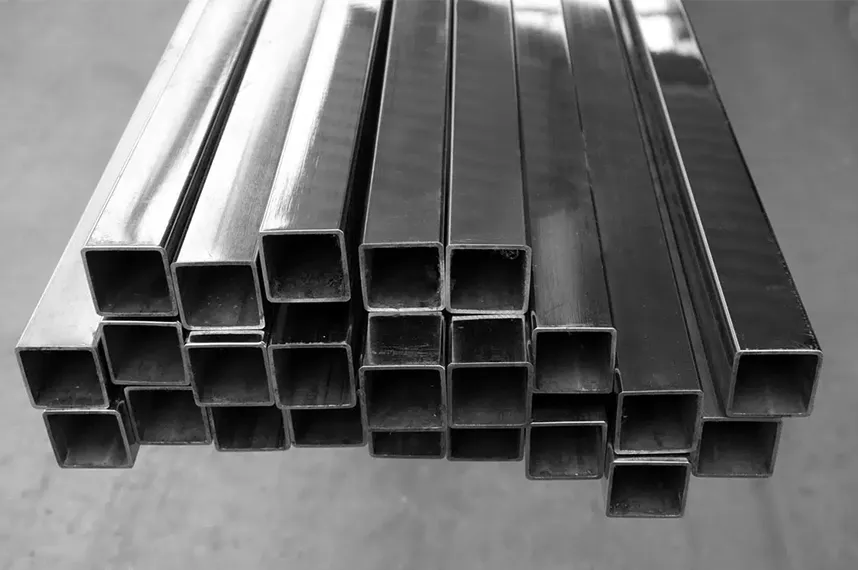
Get your stainless steel square tube guide for structural and industrial projects. Find 304 & 316 grade stainless square pipe, with a range of sizes and finishes.

Guide to stainless steel railings! Find handrail, cable, and 316 stainless steel railing system components for stair or deck elegance.
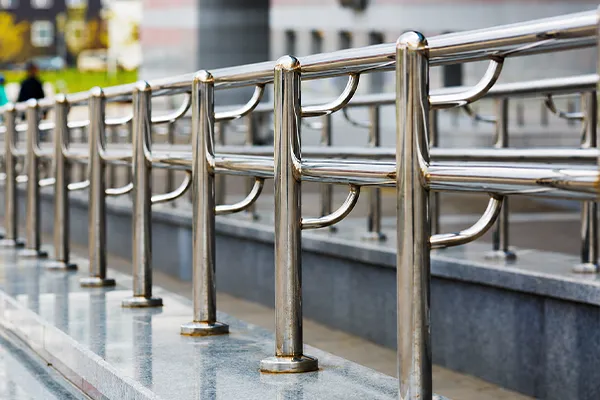
Outdoor stainless steel should look clean, strong, and professional. But rain, salt, dust, and poor cleaning can cause rust stains, pitting, and corrosion. The good news is simple: choose the right steel grade, clean it properly, and use smart rust prevention methods.
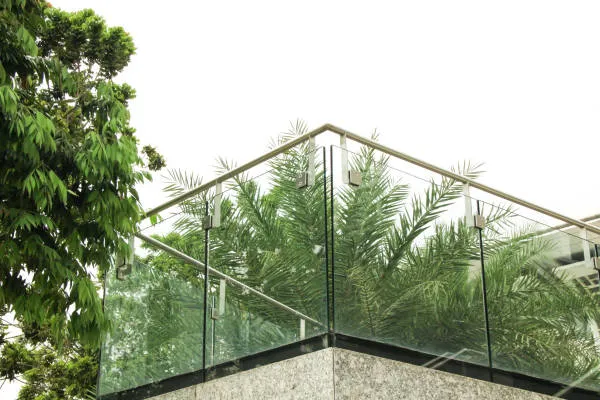
A poor railing choice can block the view, age badly, and raise maintenance costs. For a deck, balcony, or commercial outdoor area, this mistake can hurt safety and design value. A well-planned glass railing solves this with clean visibility, strong safety glass, and modern appeal.
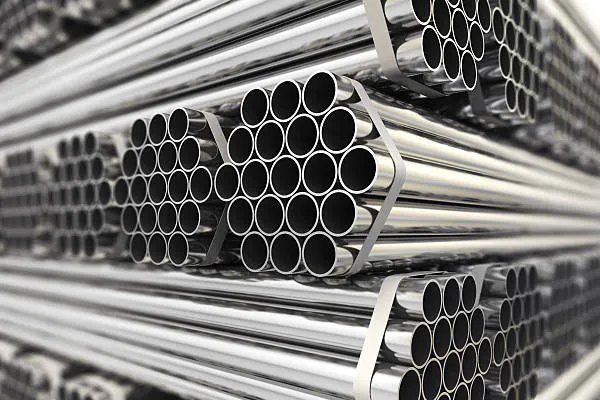
Choosing the wrong pipe can cause weak joints, failed inspections, leaks, and extra project cost. The risk grows when buyers only compare welded vs seamless prices. The solution is to understand when seamless pipe can be welded, how to weld it, and how to source the right steel pipe.
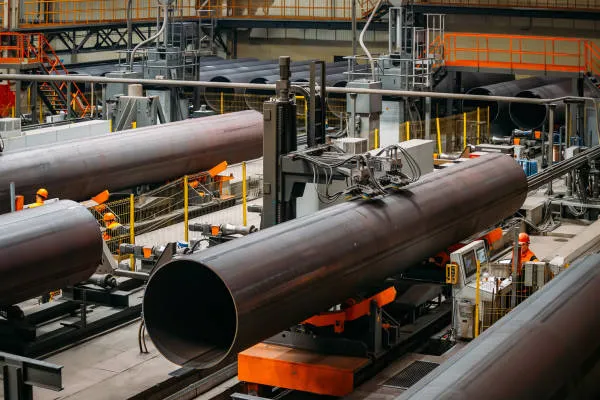
Choosing the wrong tube can cause leaks, extra labor costs, failed inspections, or poor long-term performance. The problem gets worse when buyers compare price only. The solution is simple: understand where welded and seamless tubing perform best before you place a bulk order.
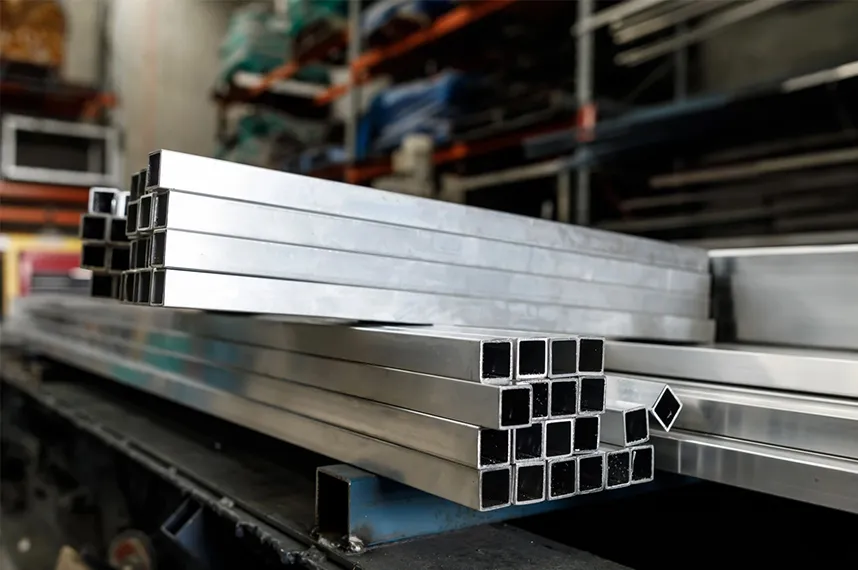
Choosing the wrong square tubing can cause weak welds, poor fit, corrosion problems, and higher project costs. A tube may look simple, but its steel grade, wall thickness, ASTM specification, tolerance, and processing quality matter. The right choice starts with understanding the application.
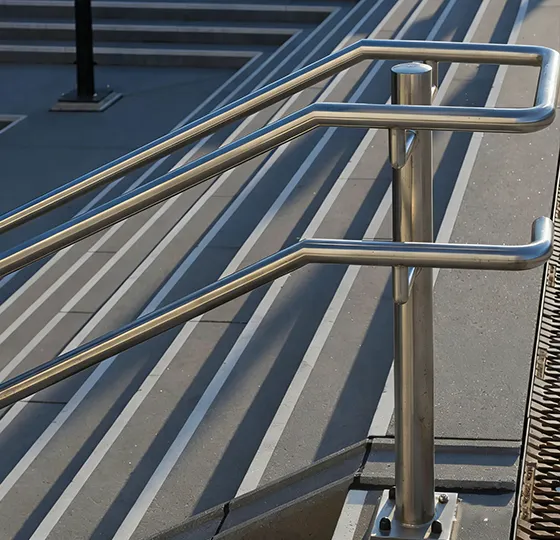
Choosing the wrong pipe can lead to early corrosion, costly downtime, and unexpected replacement. For bulk buyers, contractors, and OEM manufacturers, that risk grows fast. The right stainless steel pipe helps solve this with stronger durability, cleaner performance, and a longer working life.

A stainless steel pipe can look like the perfect answer for every project. But if you ignore cost, grade selection, welding limits, and chloride exposure, that choice can become expensive fast. The smarter approach is to understand the real advantages and disadvantages before you buy, design, or install.
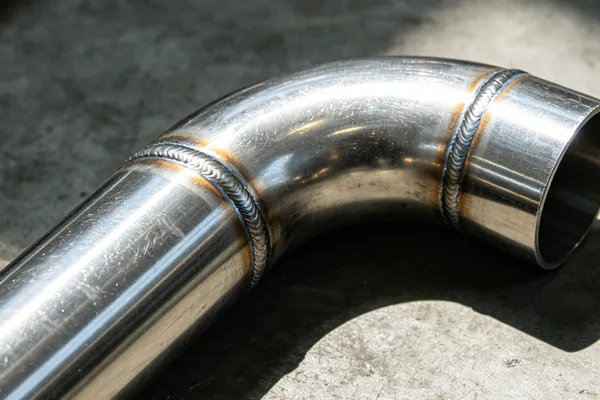
Der Versuch, das falsche Rohr mit der falschen Methode zu biegen, kann schnell zu Materialverlust führen. Das Rohr kann sich falten, abflachen, zurückfedern oder sogar an der Biegestelle reißen. Die Lösung ist einfach: Verstehen Sie, wie sich Edelstahl 304 verhält, und verwenden Sie die richtigen Werkzeuge für diese Aufgabe.