Buyers often assume stainless steels never fail. Then brown spots appear, a weld stains, or outdoor parts pit near the coast. That creates delays, claims, and extra cost. The good news is simple: when you understand grade selection, environment, and finishing, you can avoid most corrosion problems.
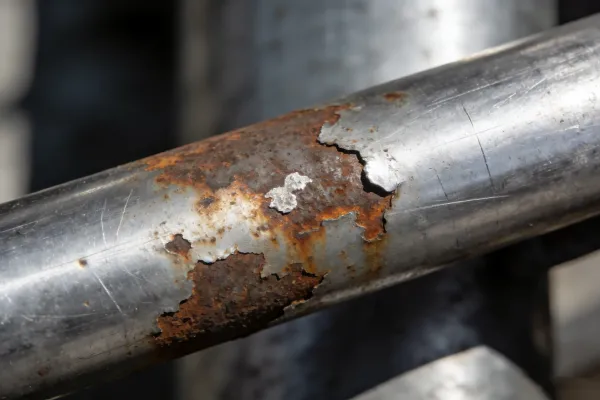
Yes—304 stainless steel can rust, but usually not in normal indoor service. It is highly corrosion resistant because its chromium forms a thin chromium oxide film on the surface. That film can break down in chloride-rich, polluted, or poorly maintained environments. In harsher service, 316 stainless steel often performs better because it offers stronger resistance to chlorides and localized attack.
Нержавіюча сталь 304
When I speak with global buyers, I hear the same question again and again: Can 304 stainless steel rust, and when should I move to 316? As a professional stainless steel manufacturer and exporter based in China, we help industrial distributors, steel wholesalers, contractors, fabricators, OEM/ODM buyers, and importers choose the right material for cost, performance, and long-term reliability. This guide is worth reading because it explains the real causes of stainless steel rust, the limits of 304 stainless steel, and the practical steps that help you buy with confidence.
What makes stainless steels corrosion resistant?
Can 304 stainless steel rust in real-world use?
Why does 304 stainless steel rust if it is called stainless?
What are the main 304 stainless steel weaknesses?
304 vs 316 stainless steel: what is the real difference?
Is 304 stainless steel outdoors a good choice?
What conditions cause stainless steel to rust?
How can you prevent rust and improve corrosion resistance?
How do buyers choose the right grade stainless steel for bulk projects?
When should you choose 316 stainless steel instead of 304?
All stainless steels are iron-based materials, but they are not the same as carbon steel or mild steel. What makes them “stainless” is the alloy chemistry. A stainless steel must contain enough chromium to form a very thin passive film on the surface. That invisible film is often described as a protective oxide layer on stainless or a chromium oxide barrier. It blocks moisture and oxygen from attacking the metal underneath.
This is why stainless steels are known for strong durability and corrosion resistance. The steel contains iron, but the added chromium changes how the surface behaves. In many grades, nickel also improves structure and toughness. In short, chromium and nickel help create the protective layer that gives stainless steel its reputation. That does not mean all stainless steels are immune to damage. It means they are resistant to corrosion, not impossible to corrode.
Так. Нержавіюча сталь 304 can still develop corrosion and even visible surface rust under the wrong conditions. The common myth is that stainless steel never changes color or stains. In reality, even high-quality 304 grade stainless may show tea staining, pitting, contamination marks, or weld discoloration when it is exposed to salts, chemicals, trapped moisture, or iron contamination from tools and nearby steel.
That said, 304 stainless steel rust is not common in clean, dry, normal indoor service. In many factories, kitchens, food equipment rooms, architectural interiors, and general fabrication projects, 304 performs very well. It is one of the most common stainless materials in the market because it balances price, formability, weldability, availability, and good corrosion resistance. The problem starts when buyers expect one type of stainless steel to fit every environment.
The simple answer is damage or breakdown of the passive layer. The oxide layer on stainless steel protects the surface, but chlorides, acids, heat tint, dirt, poor cleaning, and embedded iron particles can weaken that barrier. Once that happens, the metal can start reacting with the environment, leading to rust formation or localized attack.
Another important point: contamination is often the hidden cause. I have seen many cases where the stainless itself was fine, but the fabrication process was the problem. Carbon steel brushes, dirty rollers, iron-rich grinding dust, or poor post-weld cleaning can all cause stainless steel to rust. Buyers blame the sheet, but the root issue is often shop handling, not chemistry. This matters a lot for stainless steel components used in OEM production and construction projects.
Let’s be direct about 304 stainless steel weaknesses. The biggest one is lower resistance to chlorides compared with 316. Chloride salts can attack the passive film and create localized corrosion. That often begins as a tiny pit, then grows deeper. In marine zones, pool environments, de-icing salt areas, and some process plants, this is the main reason buyers upgrade from 304 to 316.
The second weakness is that finish and fabrication quality matter a lot. A rough surface holds contamination more easily. Weld heat tint can reduce local corrosion resistance if it is not removed. Crevices around bolts, gaskets, and overlaps can trap moisture and chemicals. So the integrity of 304 stainless steel depends not just on the mill chemistry, but also on finishing, cleaning, and the service environment. That is why good sourcing matters. As a Chinese exporter, we spend a lot of time helping customers match finish, thickness tolerance, cut quality, and application needs before production begins.
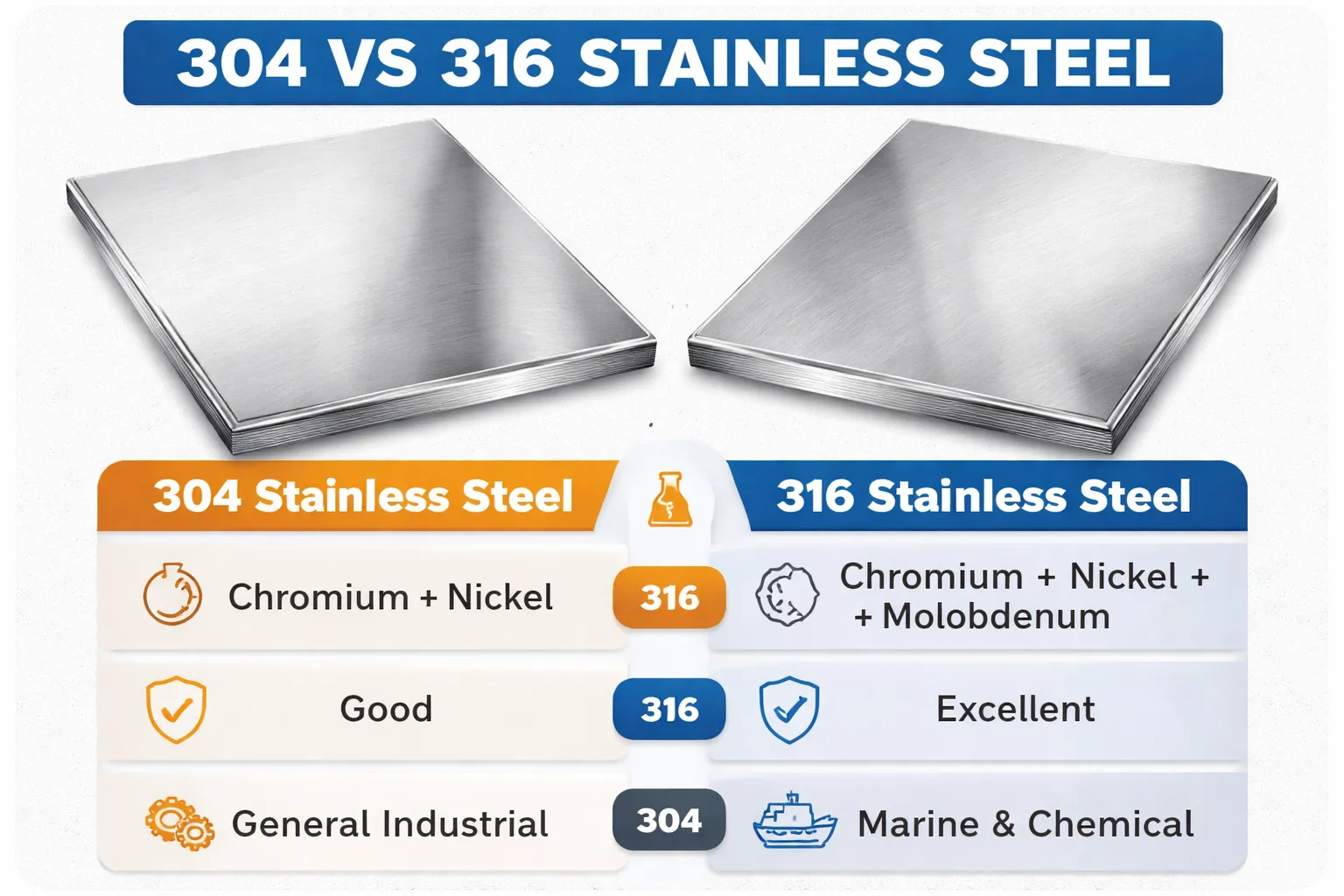
The key difference in 304 vs 316 stainless steel is chemistry and service performance. Both are austenitic stainless steels, both are widely used, and both are strong choices in the right setting. But 316 contains molybdenum, which helps enhance the material’s resistance to chloride attack and localized corrosion. That is why 316 stainless steel is often chosen for coastal, chemical, marine, and higher-risk outdoor use.
Here is a simple comparison of 304 and 316 stainless steel:
| Пункт | 304 Stainless Steel | Нержавіюча сталь 316 |
|---|---|---|
| Common use | General-purpose indoor and mild outdoor applications | More demanding chloride or chemical environments |
| Key alloying idea | Chromium + nickel | Chromium + nickel + molybdenum |
| Corrosion resistance compared | Very good in many normal environments | Better in chlorides, salt, and harsher service |
| Typical cost | Нижній | Вище. |
| Найкраще підходить для | Tanks, panels, fabrications, food equipment, architectural parts | Marine parts, coastal hardware, chemical equipment, lab and pharma use |
This is why buyers often ask about 304 and 316 together. The answer is not that one is always better. It is that each grade of stainless steel fits a different risk level. For cost-sensitive bulk projects, 304 may be exactly right. For chloride-heavy use, 316 may save far more money over the life of the project.
Нержавіюча сталь 304 і 316
Yes, 304 stainless steel outdoors can work well in many inland environments. If the site has clean air, low chloride exposure, and regular maintenance, 304 often gives long service life. It is common in railing systems, building trims, enclosures, brackets, and many fabricated вироби з нержавіючої сталі. In these cases, the performance of stainless steel is usually strong enough to justify the lower price compared with 316.
But location changes everything. If the product is exposed to salt, heavy industrial fallout, cleaning chemicals, or warm stagnant moisture, 304 becomes more vulnerable. This is where buyers see rust in specific conditions even though the same material worked well somewhere else. So when I advise construction firms and importers, I never look only at the drawing. I also ask where the part will be used, how often it will be washed, and what contaminants will touch the stainless steel surface.
Several conditions can make stainless steel to rust faster:
chloride-rich air near the sea
bleach or chlorine cleaners
polluted industrial atmospheres
standing water and trapped moisture
weld scale and heat tint
contact with ordinary steel tools or dust
acidic or strongly corrosive process media
These factors accelerate corrosion in stainless steel by damaging the passive film or keeping the surface wet and contaminated. The Nickel Institute notes that Type 304 becomes only marginally satisfactory in some higher-chloride waters, while Type 316 is preferred for more critical applications.
A quick field rule helps many buyers:
The more chlorides, crevices, contamination, and poor cleaning you have, the more likely you are to see corrosion of stainless steel.
That is also why ferritic stainless steels, different stainless steel grades, and duplex grades may be considered for special jobs. The best grade stainless choice depends on the exposure, not just the catalog price.
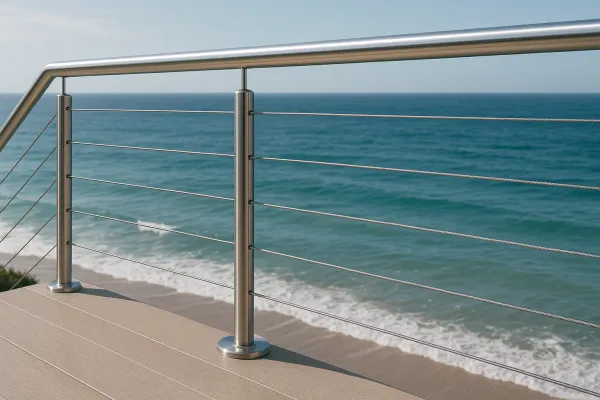
To prevent rust, start with correct grade selection. If the environment is mild, 304 is usually a smart and economical choice. If the environment is marine, chemical, or chlorine-rich, 316 may be safer. Then focus on fabrication and maintenance. Clean tools, proper storage, post-weld treatment, passivation where needed, and routine washing all help prevent rust formation.
Here are practical ways to combat rust and prevent rust formation:
choose the right grade of stainless for the environment
avoid iron contamination during cutting, grinding, and handling
remove weld scale and heat tint
clean off chloride deposits and chemical residues
design to reduce crevices and trapped water
use smoother finishes where hygiene or appearance matters
consider passivation after machining or welding
These steps are especially important for industrial distributors, fabricators, and OEM buyers who process large volumes of sheet, coil, tube, and custom-cut parts. The goal is not only to buy metal. It is to protect the layer of stainless steel that delivers protection against corrosion in service.
For wholesale and project procurement, the best choice usually comes down to five questions: What is the environment? What finish is needed? Will there be welding or machining? What is the expected service life? And what is the acceptable budget? This is how smart buyers compare stainless steel grades instead of buying by price alone.
Here is a practical sourcing table:
| Buyer type | Common need | Suggested approach |
|---|---|---|
| Промислові дистриб'ютори та оптові торговці металопродукцією | Stable supply, repeat quality, bulk pricing | Standardize specs, tolerances, and finish across orders |
| Інженерні підрядники та виробники | Custom-cut material for job sites and assemblies | Confirm weld condition, finish, flatness, and outdoor exposure |
| Виробники продукції OEM/ODM | Tailored parts and repeatable processing | Focus on surface quality, cut precision, and contamination control |
| Будівельники та девелопери інфраструктури | Long service life in public works | Match grade to climate, pollutants, and maintenance schedule |
| Importers / Trading Companies / Buying Offices | Reliable Chinese source with documentation | Verify mill test reports, packaging, inspection, and lead times |
As a manufacturer and exporter in China, we see that most complaints in stainless projects come from mismatch, not mystery. The wrong grade, wrong finish, or wrong handling method leads to claims. The right supply partner helps solve that early.
Imagine two buyers ordering similar custom-cut panels. Buyer A uses 304 for indoor equipment covers in a dry industrial building. Buyer B uses the same 304 panels for equipment housings near a coastal wastewater site. Buyer A gets years of good service. Buyer B starts seeing tea stains and early pitting. Same material. Very different risk profile.
Now change the second project to 316 stainless steel with better finishing and routine washdown. The higher initial material cost often pays for itself through lower maintenance, fewer replacements, and stronger buyer confidence. This is the kind of sourcing decision that matters to fabricators, contractors, and B2B buying offices. It is also why we talk about total cost, not just per-ton price.
Sometimes, yes. People hear “stainless” and assume “maintenance-free.” But stainless steel can still stain, pit, or corrode when the environment is aggressive. That does not mean the material failed. It means the service conditions exceeded the practical limit of the selected grade or the passive film was damaged.
A better way to think about it is this: stainless steel is highly resistant, but not invincible. Stainless steel typically performs very well in everyday conditions. Stainless steel also comes in many grades for a reason. The market uses 304 ss because it gives a smart balance of cost and good corrosion resistance. The market uses 316 when better protection against environmental chlorides and higher resistance to corrosive environments are needed.
Does 304 stainless steel rust in rain?
Usually not in clean inland conditions. But if the surface stays dirty, traps moisture, or sees salts and pollutants, surface rust or staining can appear over time.
Is 316 always better than 304?
Not always. 316 stainless steel has superior corrosion resistance in chlorides and harsher service, but 304 is often the better value in normal environments. The right answer depends on use, not just grade.
What causes rust formation on stainless steel?
The main triggers are chloride ions, contamination from ordinary steel, poor cleaning, weld discoloration, trapped moisture, and aggressive chemicals. These factors damage the passive surface and start rust formation on stainless steel.
Can 304 stainless steel be used outdoors?
Yes. 304 stainless steel can withstand many outdoor inland applications. For coastal or salt-heavy environments, buyers should carefully review whether 316 is the safer option.
How do I remove signs of rust from stainless steel items?
Light staining may be cleaned with appropriate non-chloride stainless cleaners and soft tools. Avoid carbon steel brushes or harsh contamination. Severe pitting should be evaluated by a corrosion professional or supplier.
Why do buyers compare 304 and 316 stainless steel so often?
Because the balance between cost and service life matters. 304 and 316 stainless steel are both common, available, and versatile, but their performance differs sharply in chloride-rich environments.
304 stainless steel can rust, but it usually performs well in normal indoor and mild outdoor conditions.
The secret behind stainless steels is the passive chromium oxide film.
Chlorides, contamination, poor fabrication, and trapped moisture are the main reasons stainless steel rust appears.
316 stainless steel is often the better choice for marine, coastal, and chloride-heavy service.
Correct grade selection, proper finishing, and clean fabrication methods do more to prevent rust than price-cutting ever will.
For B2B buyers, the smartest purchase is not the cheapest tonnage. It is the right grade, finish, and supply partner for the real job.