Wrong material calls cost money fast. A buyer orders the wrong tube, the wall fails a pressure test, fabrication slows down, and delivery slips. The fix is simple: understand the two basic types of tubing, how they are made, and where each one performs best.
The two basic types of tubing are welded tube and seamless tube. Welded tube is formed from flat strip that is rolled and joined along a seam, while seamless tube is made from a solid billet without a longitudinal weld. In real buying decisions, the better choice depends on pressure, tolerance, finish, budget, corrosion resistance, and the final application.
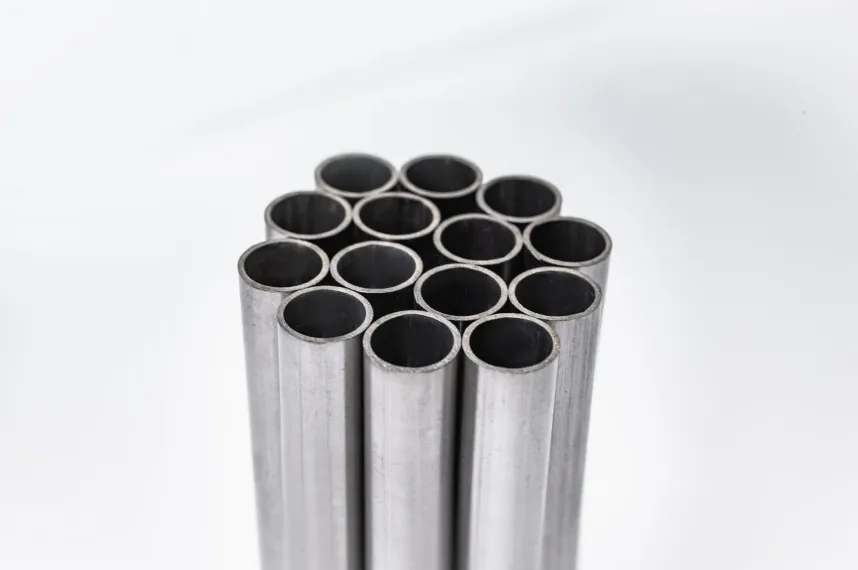
труба из нержавеющей стали
If you buy stainless steel in bulk, source for OEM production, or specify material for construction and industrial projects, this guide will help you compare tube and pipe, understand sizing, and choose the right product with more confidence. I’m writing from the perspective of a China-based stainless steel manufacturer and exporter that works closely with distributors, contractors, fabricators, and importers who need stable quality and practical lead times.
Why do buyers ask about tubing vs tube vs pipe?
What are the two basic types of tubing?
How is welded metal tubing made?
How are seamless tubing and seamless tube products made?
What is the difference between tube and pipe?
How do outside diameter, inside diameter, wall thickness, and nominal pipe size work?
Which tubing shapes and structural sections are available?
What is mechanical vs structural tubing?
How do manufacturing processes affect tolerance, finish, and fabrication?
How does stainless steel handle corrosion resistance compared with other materials?
How do you choose the right type of tubing for your project?
Why do industrial buyers source stainless steel pipes and tubes from China?
The two basic types are seamless and welded. This is the most useful starting point for any buyer comparing tubing types.
A welded tube starts as strip or coil. The strip is formed into a round or shaped section, then the edges are joined, often by electric resistance or fusion methods. After that, the tube may be sized, straightened, polished, or cold finished depending on the end use. Welded products are widely used because they are efficient to manufacture and cost-effective.
A бесшовная труба starts from a solid billet. The material is pierced and elongated into a hollow form, then further reduced and finished. Because there is no longitudinal seam, seamless products are often selected for higher pressure duty, demanding service conditions, or applications where buyers want very uniform structure through the wall.
In everyday conversation, many people use tube, pipe, and tubing as if they mean the same thing. In real projects, they do not. The biggest difference is usually how the product is specified and what it is expected to do.
In general, tube is measured by exact outside diameter and wall thickness, while pipe is commonly specified by nominal pipe size and schedule. That is why a buyer comparing tubing vs pipe must look beyond the name and check the sizing system, the end use, and the required tolerance.
For industrial buyers, the confusion matters because the wrong call affects cost, fittings, machining time, and even compliance. We often see importers ask for “stainless pipe” when they actually need polished metal tubing for equipment frames, handrails, enclosures, or applications where buyers want very uniform structure through the wall.
Welded metal tubing is usually made from flat stainless strip. The strip is rolled into shape, the edges are joined, and then the product is sized and finished. In some specifications, the weld zone is further processed so the seam becomes very hard to see, especially in high-quality stainless applications.
This route is a popular choice because it is efficient, scalable, and suitable for many industries. It also supports a wide range of diameters, finishes, and different shapes. Square, rectangular, and round sections are common, which is one reason structural tubing is used so often in frames, supports, architectural work, and equipment fabrication.
From a sourcing point of view, welded products are often attractive when buyers need:
competitive factory pricing
stable supply for repeat orders
polished or decorative finishes
custom cut lengths
lighter wall options in larger diameters
That makes welded tube especially useful for distributors, OEM/ODM product manufacturers, and engineering contractors that need practical volume purchasing.
With seamless tubing, the process begins with solid steel rather than strip. The hollow is created from the billet and then worked into the required size. Depending on the specification, the mill may use cold reduction, drawn tubing, heat treatment, and finishing steps to reach the target mechanical properties and dimensional quality.
Because there is no weld seam, a seamless tube is often chosen where the application involves high pressure, severe service, or stricter performance expectations. That does not mean seamless is always better. It means the selection depends on the application. Some buyers pay more for seamless only when the service condition truly justifies it.
In our experience as a stainless supplier, engineering buyers usually prefer seamless when they care most about:
pressure integrity
critical fluid handling
demanding temperature service
conservative design margins
certain code-driven specifications
That is a smart buying approach. Not every job needs premium material. But the jobs that do really do.

труба из нержавеющей стали бесшовная
This is where many purchasing mistakes happen. The core difference between metal tube and pipe is not only shape. It is measurement, application, and industry practice.
A tube is typically specified by exact outer diameter and exact wall. A pipe is usually specified by nominal pipe size and pipe schedule. In other words, tubing is measured one way, while pipe and tubing follow different sizing logic.
Here is a simple comparison:
| Характеристика | Tube | Труба |
|---|---|---|
| Main sizing basis | Exact OD and wall | Nominal pipe size and schedule |
| Общее использование | Mechanical, structural, precision | Перенос жидкости |
| Формы | Round, square, rectangular, more | В основном круглые |
| Dimensional focus | Tighter допуск | Flow capacity and pressure class |
| Common buying language | размеры труб, gauge, OD | pipe sizes, NPS, schedule |
A metal pipe is mainly associated with conveying liquids, gases, or slurries. A metal tube is more often linked to structure, precision, fabrication, instruments, and equipment. This is why tubes often appear in frames, handrails, heat exchangers, automotive parts, and decorative stainless assemblies, while pipes are used in process lines, utilities, plumbing, and industrial systems.
Buyers should never skip the dimension language. A lot of expensive confusion starts here.
For a tube, the diameter of the tube is usually described by the exact outside diameter or od and the exact wall thickness. The inside diameter changes when the wall changes. In short, the OD is fixed by the order, and the bore depends on the wall.
For pipe, the language is different. Nominal pipe size is a naming system, not a direct measured OD for every size. The actual outside diameter is standardized, and the pipe schedule changes the wall and therefore the internal opening. That is why two pipes with the same NPS can have the same OD but different inside diameters.
This matters in real projects:
use OD-based ordering for precision assemblies
use NPS and schedule for process systems
check every fitting and valve against the same standard
confirm whether drawings call for exact dimensions or nominal sizes
That bit of common practice saves rework.
One reason buyers prefer tubing for fabrication is flexibility. Tubing shapes are not limited to round products. Common shapes include round, square, rectangular, oval, and other custom profiles depending on the mill and tooling.
These shapes are important in structural applications. Hollow structural sections and other structural sections provide strength with lower weight and a cleaner appearance than many solid forms. That is why construction teams, equipment makers, and OEM producers often use structural steel tubes for frames, supports, enclosures, and visible stainless assemblies.
In our export business, we often see these demand patterns:
square and rectangular tube for structural support
round tube for handrails, process equipment, and decorative work
custom profiles for OEM housings and machinery
polished stainless sections for public projects used in construction
Mechanical vs structural is another useful buying lens. Even when the product looks similar, the performance target can be different.
Mechanical and structural tubing is often selected for dimensional control, machining, fit-up, strength, or appearance rather than only fluid transport. Mechanical grades may go into machinery parts, rollers, bushings, sleeves, and fabricated assemblies. Structural grades are commonly used for structural frames, supports, architectural components, and load-bearing designs.
If your project involves fabrication, hole patterns, laser cutting, bending, or assembly line fit-up, dimension control matters. If the material goes into a fluid system, pressure class and compatibility with pipe fittings matter more. That is the real-life difference behind tube and pipe buying decisions.
The main manufacturing processes influence price, finish, and workability. Welded products can be very efficient and may offer attractive surface quality, especially when the seam is processed and the surface is polished. Seamless products may offer a different structure and are frequently chosen for heavy-duty service.
Secondary processing also matters. Mills may anneal the material, perform cold finishing, or heat treating steps to improve properties or meet the standard. In some cases, producers draw the tube or pass the tube through a die over a mandrel to refine size and surface. That is one reason drawn tubing can achieve better precision and a cleaner finish for some applications.
For buyers, this affects:
dimensional tolerance
straightness
polish quality
свариваемость
forming behavior in downstream fabrication
A practical rule: if your parts must fit precisely in automated production, ask more questions about finishing, not just grade and price.
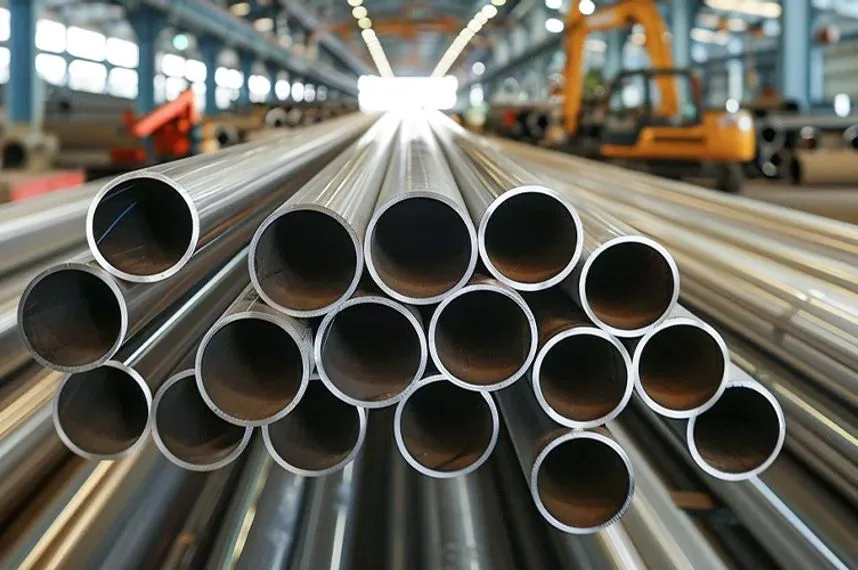
Труба из нержавеющей стали 310
For many buyers, the real reason to choose stainless is corrosion resistance. Stainless steel forms a passive surface film that helps protect it in many service environments, but correct grade choice, surface condition, and post-fabrication treatment still matter. Embedded iron, poor cleanup, or wrong grade selection can reduce performance.
This is why choosing the right material is not only about whether the product is seamless and welded. It is also about alloy family, finish, fabrication practice, and service environment. A type of steel that works indoors may not be the right answer for chloride-rich, marine, or highly corrosive duty.
For stainless buyers, common options include:
304/304L for general-purpose service
316/316L for improved corrosion performance in harsher environments
special grades when the environment is more demanding
In broader steel markets, buyers may also compare stainless with carbon steel or alloy steel, but for long service life and lower maintenance in exposed or hygienic conditions, stainless remains a very strong option.
When clients ask us about the right type, I usually bring the discussion back to six filters: service condition, dimensions, finish, fabrication method, volume, and budget.
Use this practical checklist for choosing the right product:
What is the job: fluid transport, support frame, or precision component?
Do you need exact OD and wall, or NPS and schedule?
Is the project pressure-sensitive or code-driven?
How important are surface finish and appearance?
Will the material be bent, machined, polished, or welded?
What are the lead-time and cost targets?
That is how smart material selection works. The answer is rarely one-size-fits-all. The right tube for a structural frame is not always the right one for a sanitary line or a high-pressure system.
This is where our own first-hand experience matters. Buyers do not contact a Chinese mill or exporter only for low cost. Serious B2B buyers contact us for a better combination of classification, customization, speed, and commercial control.
Industrial distributors want stable supply and repeatable quality. Engineering contractors want accurate cut lengths, workable mill tolerances, and project support. OEM/ODM clients want tailored tube products that fit their production. Importers and trading companies want a partner that can handle documentation, packaging, and consistent export execution.
A reliable China-based manufacturer can support:
custom cutting and mixed container loading
welded and seamless stainless products
bulk volume pricing
grade and finish selection
export packing and documentation
supply continuity for recurring orders
That is why steel pipes and tubes from China remain a strong sourcing option when the factory side is responsive and technically clear.
Are the two basic types of tubing always welded and seamless?
Yes. When people ask for the type of tubing in manufacturing terms, the standard answer is welded and seamless. There may be three types or more in a sales catalog if you classify by shape, finish, or use, but the two basic manufacturing families are welded and seamless.
Is welded tube weaker than seamless tube?
Not automatically. Seamless is often preferred for more demanding pressure service, but modern welded stainless products can perform very well in many commercial and industrial uses. The correct answer depends on design stress, standard, finish, and how the product will be used.
Why is tube measured differently from pipe?
Because they serve different buying and design conventions. Tube usually follows exact OD and wall dimensions. Pipe usually follows NPS and schedule systems used for flow service and standardized connections.
Can tubing be square or rectangular?
Yes. That is one major advantage of tubing. Tubing shapes include round, square, rectangular, and other profiles, which makes it useful for equipment, architecture, and structural work.
What should I send a supplier when requesting a quote?
Send the grade, product form, OD or NPS, wall, length, finish, quantity, end use, and whether you need custom cutting, polishing, or inspection documents. If the job uses a special gauge thickness, specific standard, or exact fit-up tolerance, include that too.
How do I know whether I need seamless tubing or welded metal tubing?
Start with the service requirement. If the product is for high pressure or highly critical duty, seamless may be worth the premium. If the job focuses on appearance, cost efficiency, fabrication, or structural use, welded metal tubing may be the better fit. The choice always depends on the application.
The two basic types of tubing are welded tube and seamless tube.
Tube is usually specified by exact OD and wall, while pipe uses nominal size and schedule.
Welded products are often more economical and flexible for many fabrication and structural jobs.
Seamless products are often chosen for more demanding pressure or service conditions.
Correct selection depends on application, finish, dimensional control, and budget.
Stainless is a strong option where durability and corrosion resistance matter.
A good supplier should help you choose the product, not just send a price.
What Are the Two Basic Types of Tubing? Welded Tube vs Seamless Tube Explained
Какая сталь лучше для перил? Руководство по системам перил из нержавеющей стали (304 vs 316 vs 2205)
Как правильно выбрать лестничные перила и поручни: Идеи лестничных перил, которые подойдут для дома вашей мечты
Перила из нержавеющей стали для балконных перил: Какая сталь лучше?