You keep hearing “seamless” is better, but suppliers use the word in different ways—pipes, gutters, even fabric. A small seam can become a weak spot, a leak point, or a cost surprise when the job site demands reliability. I’ll break down the real difference between seamless and non-seamless, show where each wins, and share a fast, buyer-friendly checklist we use as a China-based stainless steel manufacturer and exporter.The difference between seamless and non-seamless is simple: seamless products are made without seams, while non-seamless (welded or sectional) products have a seam created by joining material. In pipes, a seamless pipe has no weld seam and is often chosen for high pressure and high-temperature service. In gutters, a seamless gutter is made from a single piece along a roofline to reduce leak risk, while sectional gutters use joints that may leak over time.

Square Stainless Steel Tube
What does seamless really mean in manufacturing?
Seamless vs welded: what is a seam and why does it matter?
Seamless pipe vs welded steel pipe: key differences for buyers
When should you prefer seamless for high pressure and high temperatures?
Non-seamless pipes: where welded products win on cost-effectiveness
Seamless gutter vs sectional gutter: why joints change leak risk
What affects gutter performance: gutter material, coating, and weather conditions
Installation and maintenance: why gutters require regular maintenance
Quality control: heat treatment, NDT, eddy current, and how to avoid low-quality supply
A fast selection checklist + FAQs for B2B procurement
The word seamless sounds universal, but it changes meaning by product category. In metals, seamless typically means the part is formed from a single piece of material with without seams created by welding or stitching. That’s why seamless pipe is such a common phrase in industry.
In construction accessories like gutter systems, “seamless” often refers to the long horizontal run along the roofline being made from one continuous strip to minimize joints. For consumer textiles, “seamless leggings are made” using circular knitting to reduce sewn seams—very different from pipe manufacturing.
As a professional stainless steel manufacturer and exporter based in China, we always ask buyers one clarifying thing: seamless in what application—pipe, gutter, or fabric? The meaningful difference depends on how the product is formed and where failure happens.
A seam is any line where two edges meet—often stitched together in fabric or welded in metal. In industrial supply, a seam matters because it can become:
A location for corrosion to start (especially if coating or metallurgy is inconsistent)
A geometry change that impacts uniformity and structural integrity
A potential point of failure under high pressure or vibration
In a gutter system, a place where seams are sealed but can still have potential for leaks over time
A weld seam isn’t automatically “bad.” Good welding plus strong inspection can deliver safe, durable performance. The real risk comes from poor process control, low-quality filler/heat input, or lack of inspection—especially when products face heavy rain, thermal cycling, or aggressive environments.
Quick takeaway: Seamless helps reduce seam-related risk. Welded/sectional helps reduce cost and improve availability. Your job is to match the risk to the project.
In pipes, the most important difference between seamless and non-seamless is the presence of a weld seam. A seamless pipe has no weld seam. Many welded pipes (including methods such as lsaw) have a weld seam that must be controlled and tested.
Better perceived safety margin for high pressure service
Strong reputation for critical lines in oil & gas, chemical, refinery, and power
Often chosen when the design engineer wants fewer variables
Great cost-effectiveness and wider size availability
Efficient for lower to medium pressure lines and structural projects
Easier lead times for big diameters in many markets
As an exporter, we see one pattern: engineering contractors often specify seamless when pressure/temperature is high, while distributors often keep both types in stock to serve multiple segments.
If I had to name the most common reason customers prefer seamless, it’s risk control under demanding conditions.
Choose seamless when:
The line operates at high pressure
The process has high temperatures or frequent thermal cycling
The application is safety-critical (steam, chemical transfer, energy systems)
The spec calls for strict structural integrity, tight tolerances, and consistent wall behavior
The project requires stronger inspection confidence and fewer weld-related variables
In these cases, the “higher initial cost” can be easier to justify because downtime, leaks, and rework cost more than material price.
Buyer note: Even seamless products still require good quality control. Seamless is a process category—not a guarantee.
Non-seamless doesn’t mean “weak.” It often means “joined.” Many non-seamless pipes perform extremely well when manufactured and inspected properly.
Welded pipes are strong choices when:
The project is structural or low-to-medium pressure transport
You want faster availability and broader sizes
Cost difference matters and the duty is not extreme
Your team has clear acceptance criteria for weld quality and testing
We often help importers and wholesalers build a “two-tier” product line:
Seamless for critical pressure/temperature jobs
Welded for general transport and structural design use
That strategy helps serve more markets without confusing customers.
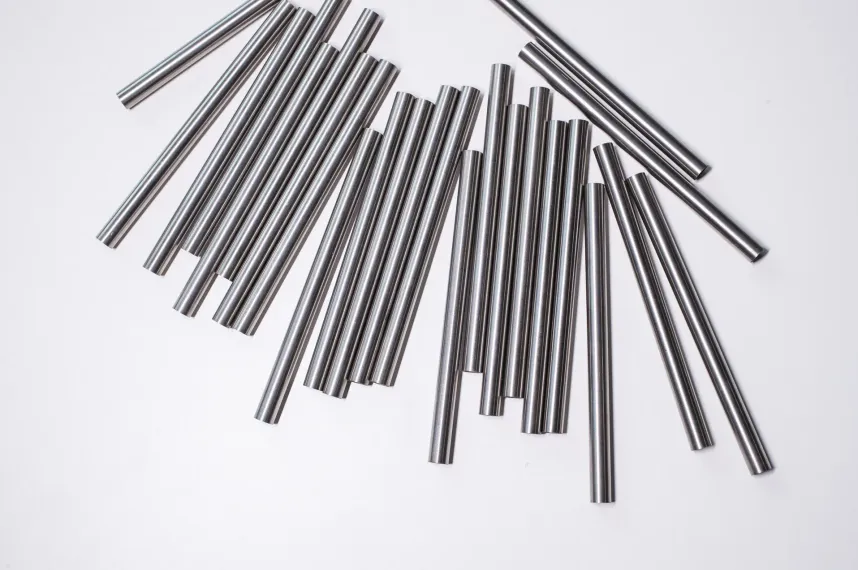
stainless steel tube seamless
In the gutter world, “seamless” usually means a continuous run made on-site (or supplied in long lengths) along the roofline, with fewer joints. A seamless gutter reduces the number of places where water can escape.
A sectional (non-seamless) gutter uses shorter pieces joined together. Those joints are the seams. Even when seams are sealed, they can become a problem because:
Sealant ages and cracks
Thermal expansion stresses joints
Debris can cause a joint to clog and overflow
Over time, joints can loosen, leading to leaks and water damage
So the key differences in gutters are about likelihood of leaks, overall aesthetic, and long-term maintenance.
Practical view: Seamless options can be cleaner and have fewer leak points, but sectional gutters may be easier to replace piece-by-piece.
When buyers ask about gutters, they often focus on “seamless vs non-seamless.” That’s important—but gutter material often matters just as much.
Common gutter material choices include:
vinyl gutters (low cost, easy to install, can become brittle in cold climates)
copper gutters (premium look, long life, higher initial cost)
Aluminum (common for residential)
Stainless steel (durable, often for special projects or harsh environments)
Performance drivers:
coating quality and corrosion resistance
Local weather conditions (freeze-thaw, heavy rain, coastal salt air)
Proper slope, placement, and downspouts sizing
Debris management and gutter protection to reduce clog risk
Heavy rain and heavy rainfall expose weak joints quickly. That’s why in storm-prone areas, the cost difference can pay back through fewer repairs.
Even the best gutter can fail if installation is wrong. Gutters require the correct pitch, secure hangers, and well-placed downspouts.
What changes between seamless and sectional systems?
Sectional gutters: more joints, more sealant work, more chance of a seam becoming a weak spot
Seamless gutters: fewer joints but often require professional installation and specialized forming equipment
Either way, expect regular maintenance:
Clean debris to prevent clog
Check joints and downspouts
Inspect after storms
Watch for overflow signs that can cause water damage
Over the long run, maintenance and repair costs often matter more than the initial material price.
Whether you buy seamless or welded, quality control decides performance. As a factory-side exporter, we treat inspection as part of the product—especially for industrial buyers who demand consistent lots.
heat treatment records (controls mechanical properties and consistency)
NDT such as ndt, eddy current, ultrasonic, and hydro tests (depending on spec)
Dimensional checks (OD, wall thickness, ovality, length tolerance)
Surface checks (pitting risk, coating integrity if applicable)
Ask for mill test certificates (MTC) with chemistry and mechanical properties
Confirm inspection method and acceptance criteria
Require lot traceability and clear packing lists
For welded products, verify weld procedure, weld seam inspection, and consistency
Avoid “too cheap” offers; low-quality often appears as inconsistent wall or poor seam integrity
Use this when you need a decision quickly for purchase orders.
high pressure safety margin
High temperature duty and reliability
Fewer potential weak spots from weld seams
Higher confidence for critical industrial service
Better cost-effectiveness and broader availability
General transport or structural applications
Easier replacement/repair for gutters (piece-by-piece)
Faster lead times for large size ranges
| Item | Seamless | Non-seamless (welded/sectional) |
|---|---|---|
| Has a seam | No (without seams) | Yes (weld seam / joints) |
| Leak risk in gutters | Lower (fewer joints) | Higher (more seams are sealed) |
| Pressure duty in pipe | Often preferred for high pressure | Great for many general duties |
| Cost | Higher initial cost | Often lower cost |
| Installation | Pipes similar; gutters often pro install | Gutters easy to install in sections |
| Inspection focus | Material uniformity | Weld quality + NDT |

seamless stainless steel tube
What is the difference between seamless and non-seamless?
Seamless means made without a joining seam; non-seamless means the product has a seam (welded in pipe or jointed in gutters).
Is seamless pipe always better than welded pipe?
Not always. Seamless pipe is often chosen for high pressure and high temperatures, but welded pipe can be excellent with good welding and inspection.
Are seamless gutters worth it?
If you want to reduce leak points and improve curb appeal, a seamless gutter often helps. But you still need good installation and regular maintenance.
Why do gutters leak at the seams?
Joints age, sealants fail, debris causes clog and overflow, and thermal movement stresses seams—leading to leaks and water damage over time.
How can I reduce risk when sourcing pipes in bulk?
Ask for traceability, inspection reports, and NDT details. Confirm heat treatment, dimensional control, and acceptance criteria—especially for weld seams.
Does “seamless” mean the product never fails?
No. Seamless reduces seam-related variables, but quality still depends on material, process control, inspection, and correct design.
The core difference between seamless and non-seamless is the presence of a seam.
In pipes, seamless helps reduce weld-related variables for high pressure duty.
In gutters, seamless reduces joints and can lower leak risk and improve curb appeal.
Welded/sectional options can be highly reliable when inspection and installation are done right.
Quality control (heat treatment, NDT, eddy current) often matters more than the label “seamless.”
Use a simple checklist: match pressure/temperature and leak risk to the right product type.
If you want, tell me your main application (pipe for industrial service, structural steel pipe, or stainless gutter projects), the target grade and wall, and your annual volume. I can help you build a clean procurement spec that distributors, contractors, and buying offices can use to compare quotes quickly.
Stainless Steel Stair and Handrail Systems Supplied for an Indoor and Outdoor Precinct Project in Australia
Stainless Steel Staircases and Handrail Systems Delivered for an Indoor and Outdoor Precinct Project in Australia
Which Type of Stainless Steel Is Good for Railings? Choosing the Best Stainless Steel Railing System for Long-Term Performance
How to Identify Stainless Steel and Mild Steel: Key Differences Between Stainless Steel and Mild Steel