A balcony looks great—until the railing starts to stain, pit, or loosen. Then you get complaints, repairs, and safety risk. It’s frustrating and expensive. The solution is to choose the right steel grade and finish for your climate, then build a railing system that installers can assemble correctly the first time.
For most balcony railing projects, 304 stainless steel is a strong, cost-effective choice inland, while 316 stainless steel is best near the coast or in chloride-heavy areas because it resists corrosion better. Carbon steel can work with a quality protective coating, but stainless steel railings typically deliver lower maintenance and longer service life.
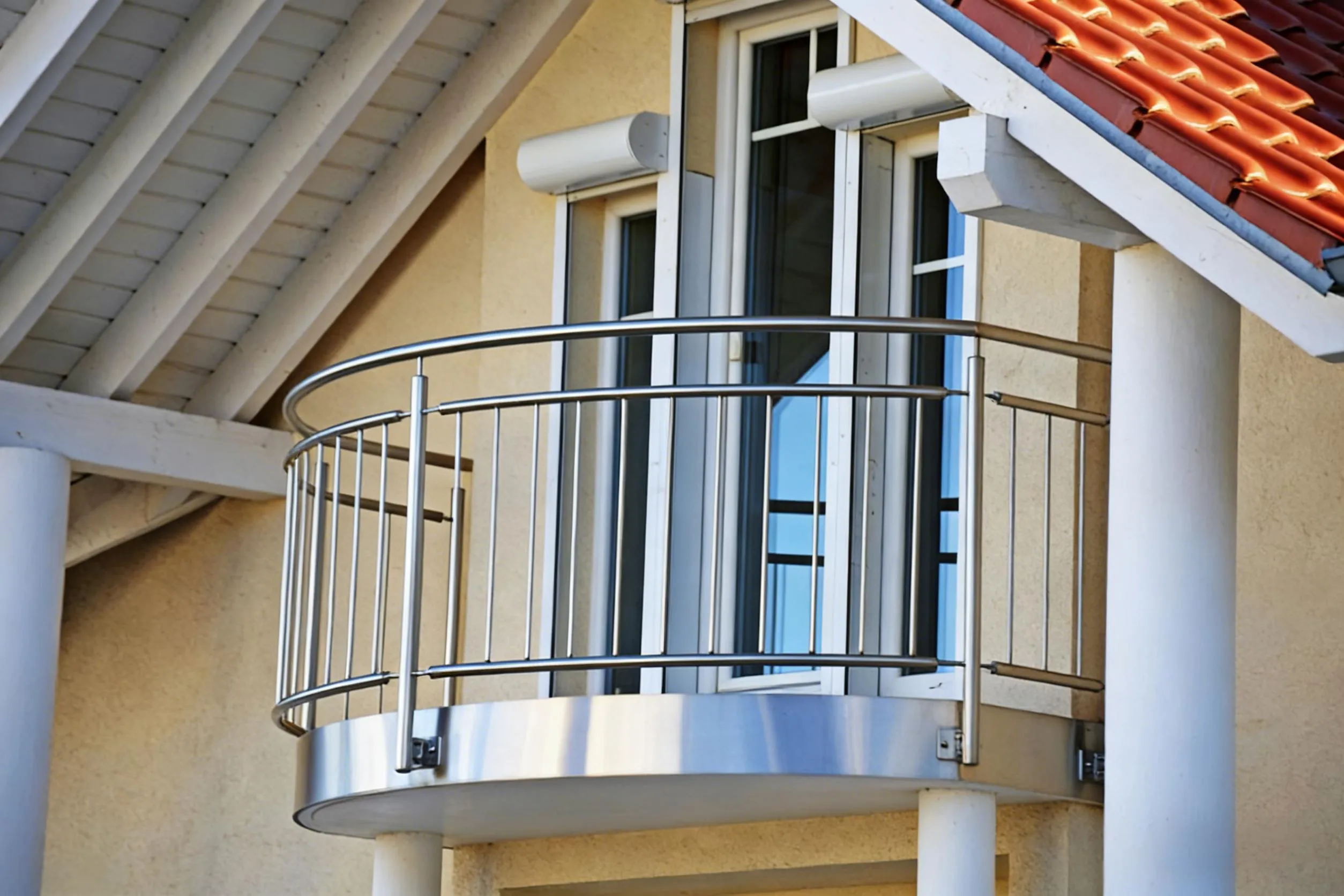
Garde-corps en acier inoxydable pour balcon
What makes a railing long-lasting on a balcony?
Stainless steel railings or coated carbon steel railings: which is the best material?
304 vs 316 stainless steel: which grade of stainless steel should you use?
Near the coast: why does salt accelerate rust and corrosion on steel railings?
How do you design a stainless steel railing system for durability and a modern look?
Glass railing + stainless steel: is it the right choice for outdoor space projects?
What finishes work best—paint or powder—and when should you use powder coating?
Cable railing vs glass railing: what should distributors and contractors stock?
Customizable balcony railing: what specs should OEM/ODM and fabricators confirm?
Railing project checklist: how to choose the right material for your project and avoid costly rework?
When buyers ask me which steel is best for a balcony railing, I start with durability and real-world exposure. A railing does not live in a lab. It lives in rain, sun, dust, hand oils, cleaning chemicals, and sometimes salty air. So the choice of railing material must match the site.
Here are the biggest factors to consider for a balcony railing:
Climate and location (inland vs near the coast, industrial air, humidity)
How often people touch the railing (handprints + cleaning habits)
Whether it’s for residential and commercial properties
The project’s target maintenance level (low maintenance vs “repaint every few years”)
From our export experience, the most common mistake is treating every balcony the same. Even the best grade can fail early if the environment is harsh and the finish is wrong.
In many markets, the debate is simple: do you want stainless steel railings for long life, or do you want coated carbon steel railings for lower upfront cost? Both can work, but the trade-offs are different.
Here’s the honest B2B view: steel is often chosen because it balances cost and strength. But the life of your railing system depends on how you manage rust and surface protection. Powder-coated carbon steel can perform well, yet once coating is scratched or damaged, corrosion starts at the defect.
Stainless steel becomes the safer “set-and-forget” choice when buyers want predictable performance and fewer callbacks. Many distributors choose stainless because it’s easier to position as premium and it supports a clean, modern catalog.
Quick comparison:
| Option | Best use | Main risk | Typical buyer reason |
|---|---|---|---|
| Garde-corps en acier inoxydable | Most balconies, long service life | Higher material cost | Long-lasting performance + fewer repairs |
| Coated carbon steel railings | Budget projects, mild environments | Coating damage leads to rust | Competitive pricing |
| fer forgé | Decorative, classic styling | High upkeep, corrosion risk | Aesthetic appeal |
As a China-based stainless steel manufacturer and exporter, we often supply both stainless steel products and custom-cut parts for fabricators—so we focus on helping buyers choose the best material for their project goals, not just selling a metal grade.
If you only remember one thing from this article, remember this: the main difference is chloride resistance.
304 performs very well in many normal environments.
316 includes molybdenum, which significantly improves resistance to corrosion in salt or chloride exposure.
That’s why marine and coastal projects often specify 316. Multiple industry references explain that 316’s molybdenum addition improves performance in salty environments compared with 304.
To keep this practical, I advise distributors and contractors to stock based on two “zones”:
Inland / mild exposure: 304 is usually the value winner
Coastal / chloride / chemical exposure: 316 is usually the safer choice
This is the simple answer behind 304 or 316 decisions.
Salt is a quiet troublemaker. In coastal air, chloride particles land on the railing surface, then moisture turns them into a corrosive layer. That’s why harsh environments and harsh conditions change everything.
Even stainless can pit if you choose the wrong grade and ignore cleaning. Some technical guidance describes how 316’s added molybdenum increases resistance to “salt corrosion” compared with 304.
Here’s a simple decision tip I share with importers: if the project is near the coast or exposed to high-salt air, treat the railing like a marine component, not a normal building accessory. That’s where the resistance to corrosion becomes your profit saver, because fewer claims come back to the distributor.
A good railing is not only a material choice—it’s a structure. A strong railing system needs correct tube thickness, stable posts, and proper welds at stress points.
This is where we support engineering contractors and fabricators: we provide custom cut lengths, consistent tolerances, and export-ready packaging so the installer’s job is easier.
Key points that drive strength and durability:
Post spacing and load path
Handrail profile and wall thickness
weld quality and polishing process
Connection hardware and anchors
A strong railing can still look light. Many buyers want clean lines and a sleek and modern feel for apartments, hotels, and mixed-use builds.
One important phrase we use in design discussions: railing design must match the overall style of your home (or building). That is how buyers sell upgrades without discounting.
And yes—your design for balcony should consider drainage, cleaning access, and the way water sits on horizontal surfaces.

A garde-corps en verre paired with stainless posts is popular because it opens the view and looks premium. For developers, it can increase perceived value. For contractors, it’s a repeatable installation system—if the components are consistent.
The typical configuration uses stainless posts, top rail (optional), and laminated/tempered glass panels. A smart approach is to choose stainless grades and finishes that match the project zone and cleaning expectations.
Also consider mixed-material projects. Many modern buildings combine glass and wood accents. Stainless complements that because it doesn’t visually fight with warm materials.
If you’re building a deck or balcony, glass railing can be excellent—but plan for cleaning and fingerprints. For many commercial projects, the best setup is stainless posts with a top rail and easy-to-service fasteners.
For coated steel railings, powder coating is a common choice because it forms a barrier against moisture and pollutants, helping prevent corrosion.
That said, coating quality depends on preparation and process. If pretreatment is weak, the coating can fail early. Industry guidance stresses that coating performance relies on proper surface prep and curing.
Here’s a clear way to explain paint or powder to a buyer:
Paint: easier touch-up, but often less durable in heavy exposure
Powder: tougher coating film, better uniformity, but needs strong process control
If you must use coated carbon steel, specify a protective coating system and confirm salt spray performance (where applicable). Also plan how the railing will be handled on site—scratches during installation are a common cause of later rust.
A cable railing system is popular for modern buildings because it keeps the view open like glass but often costs less than full glass panels. The core is stainless posts plus tensioned cables.
For stocking strategy, distributors typically carry:
Standard post models and top rails
Cable kits, turnbuckles, and tension tools
Matching fasteners for indoor and outdoor applications
When buyers ask about cable railing systems, I recommend thinking in “complete kits.” Contractors love kits because they reduce missing parts on site. Kits also reduce complaints because parts are designed to fit.
For premium builds, glass railing often sells better. For value-driven builds, cable rails can move faster—especially where lead time matters.
This is where B2B buyers can win big. Stainless railings are not only for building projects; OEM/ODM customers may need railing components for modular balconies, prefabricated stairs, or equipment platforms.
Here’s what I recommend confirming before production:
Material grade and test documentation
Tube OD and thickness
Surface finish (brushed, mirror, bead-blast)
Post base design and anchor requirements
Hardware material match (avoid mixing low-grade fasteners)
Many railings offer customization in post style, infill type, and finish. But good customization must still install easily. That’s why we engineer packaging, labels, and part numbering so fabricators can assemble fast.
Also, don’t forget about infill choices:
Panneaux de verre
Câble
Vertical pickets / balusters
Metal mesh
This is where the choice of material and system detail becomes a brand advantage for distributors.
Railing project checklist: how to choose the right material for your project and avoid costly rework?
Let’s close this with a practical checklist you can use on your next railing project.
Confirm climate and exposure (inland vs near the coast, chemicals, humidity)
Choose grade: inland often 304, coastal often 316
Choose finish: brushed/mirror or coated system
Confirm installation method and tolerances
Specify QA: surface inspection, weld inspection, packaging protection
Plan maintenance instructions for end users
If you’re comparing stainless against other materials, be honest about lifecycle costs:
aluminum railings can be light and corrosion resistant, but may not match stainless in stiffness for some profiles
wood railings look warm but often require more upkeep outdoors
Carbon steel can be strong but needs coating discipline
My final advice: focus on the right material for the job, not the cheapest line item. A railing that lasts protects your reputation and reduces callbacks.
“A railing doesn’t fail on day one. It fails slowly—through small compromises in grade, finish, and installation.”
As a professional stainless steel manufacturer and exporter in China, we support bulk buyers with stable quality, custom cutting, and consistent lead times—so distributors, contractors, and OEM/ODM teams can deliver long-lasting results with confidence.

Which steel is best for balcony railing in coastal areas?
For coastal or chloride-heavy areas, 316 is often preferred because molybdenum improves corrosion resistance compared with 304.
Can stainless steel railings still corrode?
Yes. Stainless is highly durable, but it can pit or stain in harsh salt exposure if the wrong grade is used or the surface is not cleaned. Grade selection and maintenance matter.
Is powder coating good for steel railings outdoors?
Powder coating can provide a strong barrier against moisture and pollutants, improving corrosion protection when surface prep is done correctly.
Should I choose glass railing or cable railing for a balcony?
Glass railing gives a premium, open view but needs cleaning. Cable railing keeps views open with a lighter bill of materials and often installs faster. Choose based on budget, style, and maintenance expectations.
What matters most for railing durability besides the steel grade?
Weld quality, surface finish, hardware match, design load path, and installation handling all matter. Scratches and poor connections can shorten service life even with a good grade.
Can you supply custom-cut stainless steel parts for fabricators and OEM projects?
Yes. Many B2B buyers request custom lengths, drilled plates, and kit packaging for faster installation and consistent project delivery.
The best balcony railing choice depends on exposure: inland projects often use 304, while coastal projects often prefer 316 for better chloride corrosion resistance.
Powder coating can protect carbon steel railings, but coating quality depends heavily on preparation and process control.
A railing system succeeds when grade, finish, weld quality, and installation all align—materials alone don’t guarantee long life.
Glass and cable infills both work; stock based on your customers’ style, budget, and maintenance tolerance.
For distributors and contractors, consistent tolerances, stable supply, and export-ready packaging reduce site problems and returns.
If you tell me the project location (inland/coastal), target finish (brushed/mirror/coated), and the railing profile you prefer, I can suggest a simple “304 vs 316 + finish” spec package that fits bulk procurement and reduces after-sales risk.
Stainless Steel Railings for Balcony Railing: Which Steel Is Best?
Which Is Better for a Railing: Wrought Iron or Steel Railings? A Simple Guide to Durability, Rust, and Cost
How to Clean a Stainless Steel Wire Balustrade: Essential Maintenance Tips for Long-Lasting Cable Railings
Which Stainless Steel Is Best for Stair Railing? Choosing the Right 304 or 316 Stainless Steel Railing System