A small pipe fitting can shut down a whole pipeline when it leaks, cracks, or corrodes. That pain gets worse when you’re rushing and pick the wrong connection type or grade. The good news: with a simple selection method, you can choose stainless steel pipe fittings that stay tight, safe, and predictable.
Stainless steel pipe fittings are connectors made from stainless steel that join, branch, reduce, or close stainless steel pipes in a piping system. An ss pipe fitting may use thread, weld, a flange, or a compression joint, depending on pressure, temperature, and service media.
What is a pipe fitting, and what does “ss” mean in stainless steel fittings?
Where are stainless steel pipes and stainless steel pipe fittings used in real projects?
Types of fittings: the fitting types every buyer should recognize
Thread vs weld vs flange: which connection is best for your pipe?
304 vs 316: which grade of stainless steel should you choose?
Tube fittings and compression fitting options: when do they beat welding?
How to size pipe fittings: pipe diameters, schedules, and pipes of different wall thickness
Common failure reasons: why stainless fittings leak or corrode early
What standards should you ask for when buying stainless steel fittings?
Selecting the right fittings: a B2B checklist + RFQ template from a China manufacturer
A pipe fitting is the “joint” that makes a pipe route possible. In plain words, fittings are used to change direction, split flow, reduce size, extend a run, or seal the end. You’ll see them in almost every pipeline, from plant utilities to engineered process lines.
“ss” is short for stainless steel. So when a buyer says “ss pipe fitting,” they usually mean stainless steel fittings—parts that are made from stainless steel (a steel alloy / alloy) chosen for long service life and rust protection. In many industrial settings, steel pipe fittings are essential because a strong pipe still needs reliable joints.
As a professional fitting manufacturer-type supplier (we manufacture stainless steel products and export globally), I’ve noticed a simple truth: most fitting problems don’t come from the fitting “shape.” They come from mismatched specs—wrong grade, wrong end type, or wrong standard.
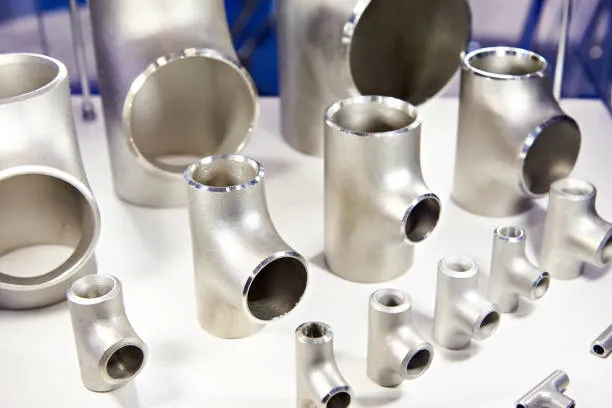
stainless steel fittings
Stainless steel pipes and fittings are widely used where cleanliness, stability, and long service life matter. These products show up in industrial settings and also in premium commercial buildings. Pipe fittings are widely used because they let you design a route that is serviceable and safe.
Common examples where pipe fittings are used:
Food and beverage industry lines and food processing utilities (cleanability matters)
chemical processing and chemical processing plants (corrosion risk is real)
oil and gas skids and utility runs (pressure + reliability)
water treatment piping (long duty cycles, wet environments)
plumbing systems in commercial projects (durable plumbing fittings)
In real projects, the question is not “Are fittings strong?” It’s “Do the fittings match the service?” Your media, temperature swings, and environment decide the grade of stainless steel, sealing method, and inspection plan.
If you’re sourcing material for stainless steel piping, you may also compare pipe forms on the supply side (tube/pipe categories). For example, for structural and general piping uses, buyers often look at stainless steel tubes like tubos redondos de acero, tubos cuadrados de acero inoxidableo rectangular stainless steel tubes for fabrication and assemblies
There are many types of fittings, but most projects rely on a core set. These are the fitting types you should recognize quickly when reading drawings or a BOM.
Here’s a practical list (simple and procurement-friendly):
A quick “why” table (good for busy engineers and buyers):
| Job to do in a pipeline | Typical pipe fitting | Por qué es importante |
|---|---|---|
| Turn a pipe route | Elbow | Controls layout + pressure drop |
| Split flow | Tee / Cross | Branches feed utilities or instruments |
| Change size | Reducer | Handles pipe diameters differences |
| Extend run | Coupling / Union | Joins straight stainless steel pipes |
| Close an end | Cap | Ends a line safely |
One key phrase I repeat to new buyers: fittings are used to connect pipes—but fittings are used to connect correctly only when size, grade, and end type all match.
Connection choice is where many projects either become smooth—or painful. Most stainless steel pipe fittings connect in one of three ways: thread, weld, or flange. Each one has a “best use” zone.
Threaded joints are common in small lines and plumbing systems. A threaded pipe is fast to assemble and replace.
Pros
Contras
A weld creates a permanent metal-to-metal joint. For high integrity lines, welded joints often win.
Pros
Contras
A flange uses bolts + gasket to connect two ends. It’s common at valves, pumps, strainers, and equipment tie-ins.
Pros
Contras
Quick rule: If you need frequent access, flanges help. If you need maximum integrity, welds help. If you need speed on small lines, thread can be fine—when installed correctly.
Most buyers start here, and they should. The grade of stainless steel impacts service life more than the fitting shape.
A simple comparison:
| Choice | Best fit | Typical examples |
|---|---|---|
| 304 | General-purpose stainless steel piping | Utilities, indoor services, many building systems |
| 316 | Higher chloride/chemical exposure | Coastal sites, tougher media, some process duties |
Practical note from exporting projects: if your environment includes salt air, brine, or aggressive chemicals, 316 is often the safer bet. If your service is mild and cost matters, 304 can be a smart choice.
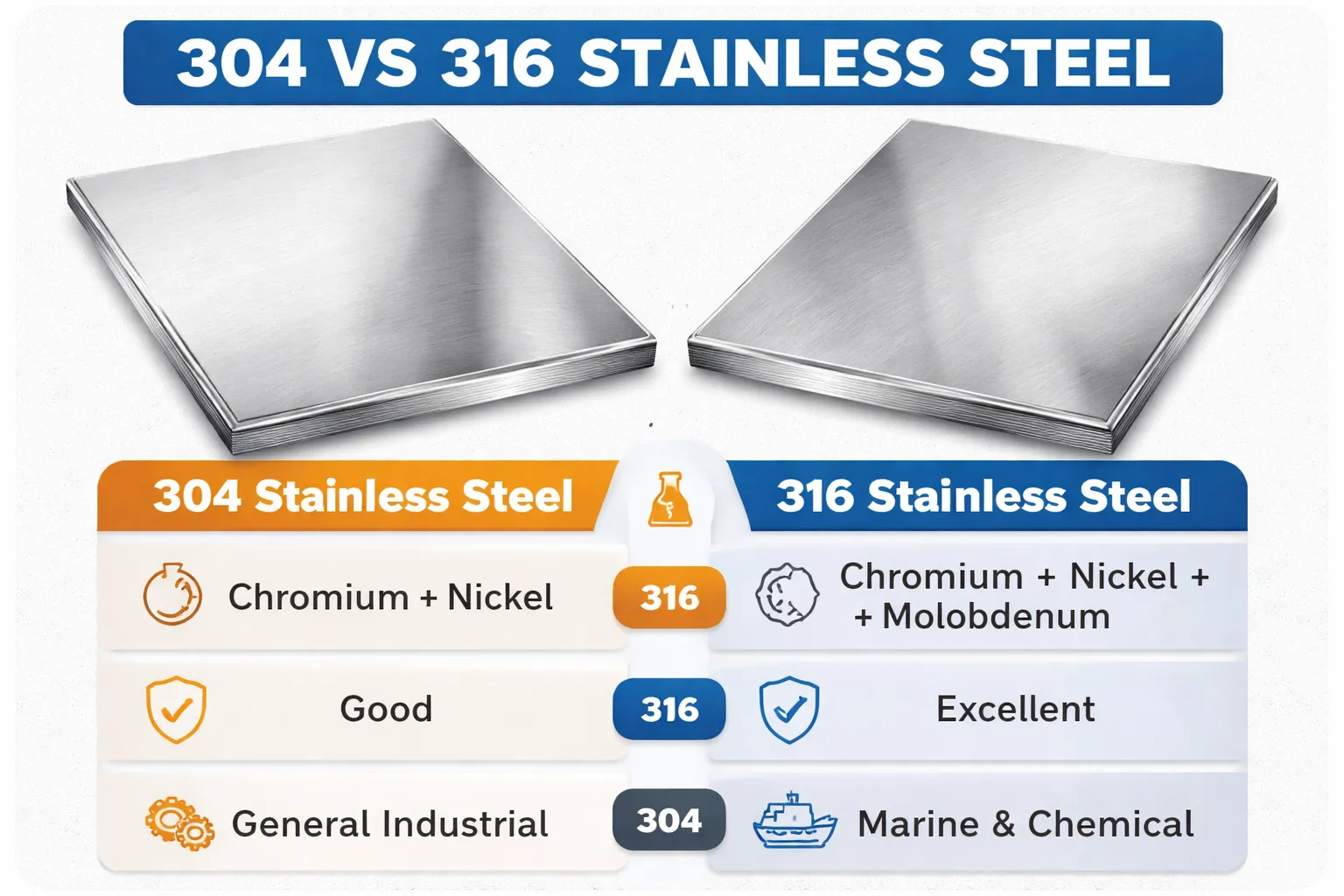
304 and 316 Stainless Steel
Not every project needs hot work. In instrument lines, sampling, pneumatics, and some clean utility systems, tube fittings are a practical choice.
A compression fitting seals by mechanically gripping the tube (usually with ferrules). These tube fittings can be fast to install and adjust. In the field, that saves time.
When compression fitting is a great fit
When to be careful
This is a good example of how fittings allow different installation strategies. Fittings are similar in purpose—connect the route—but different in how they seal and how serviceable they are.
Sizing is the #1 cause of rework in many purchases. To avoid mistakes, match your pipe and pipe fitting in these areas:
Reducers exist for a reason: they join pipes of different diameters safely and predictably. A reducer is one of the most common “problem solvers” in stainless steel piping.
Sizing checklist (simple but powerful)
If you’re fabricating frames, guards, or supports alongside piping, you may also need structural stainless products such as angle or flat bar
I’ve reviewed many complaints over the years, and the patterns repeat. Failures typically come from selection or installation, not from the concept of stainless itself.
Also, don’t forget reality: “excellent corrosion resistance” is not magic. It depends on grade, media, temperature, and cleanliness. If chloride exposure is high and you choose 304, rust and pitting can still happen.
A small but important reminder: fittings are frequently installed under time pressure. That’s why a clear checklist and supplier documentation matter.
Standards reduce risk. When specs are clear, your supplier can build and inspect to the same target you expect.
Most B2B buyers reference standards in three buckets:
Even if you don’t list every standard in the blog, you should always request:
This is the procurement version of “trust but verify.” It protects your installation schedule.
This is the section that turns a reader into a buyer. If you want fewer back-and-forth messages and faster quoting, follow this flow.
Make sure your list covers the full route: elbows, tees, reducers, couplings, unions, caps. Remember: pipe fittings include the small items that keep the whole line serviceable.
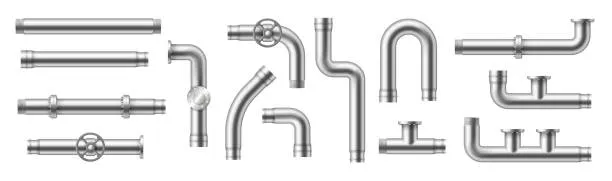
Selecting the right fittings
If you want a fast quotation from a China exporter, send this:
This cuts time. It also reduces mistakes. And it helps you confirm the fittings are designed to connect correctly in your pipeline.
A distributor once consolidated stainless purchases from multiple sources to save cost. The stainless steel pipes matched, but several stainless steel pipe fittings arrived with different dimensional tolerances and end preparations. The site crew spent extra time grinding and reworking joints, and the schedule slipped.
The fix was simple: unify the standard callouts, confirm end type, and require first-article inspection photos and measurements. After that, installation became predictable again.
Stainless steel pipes carry flow. Stainless steel pipe fittings connect, turn, branch, reduce, or close the route. In other words, pipes move the fluid; fittings make the layout possible.
It means a fitting made from stainless steel. Many buyers write ss as shorthand in RFQs (for example, “ss pipe fitting”).
No. Many fittings used to connect two ends (like couplings), but tee and cross fittings can connect three or four directions. For example, a tee is used to connect three pipes.
Use a flange where you want service access—valves, pumps, filters, meters, or equipment connections that require maintenance.
Most leaks come from damaged thread, wrong sealant, vibration, or thermal cycling. Threaded joints work best in smaller lines with correct installation practice.
It depends. 304 is commonly used for general service. 316 stainless usually performs better in chloride exposure and tougher media, offering improved corrosion resistance.
Are Cable Railings Hard to Maintain? A B2B Guide to Cleaning, Tension, and Long-Term Care for Deck Cable Rail Systems
What Are Stainless Steel Pipe Fittings? SS Pipe Fitting Types, 304 vs 316, and How to Choose
How Can I Tell If My Stainless Steel Is 304 or 316? Understanding the Difference Between 304 and 316 Stainless Steel
Outdoor Stainless Steel Railing & Stainless Steel Handrail for Stair Design